
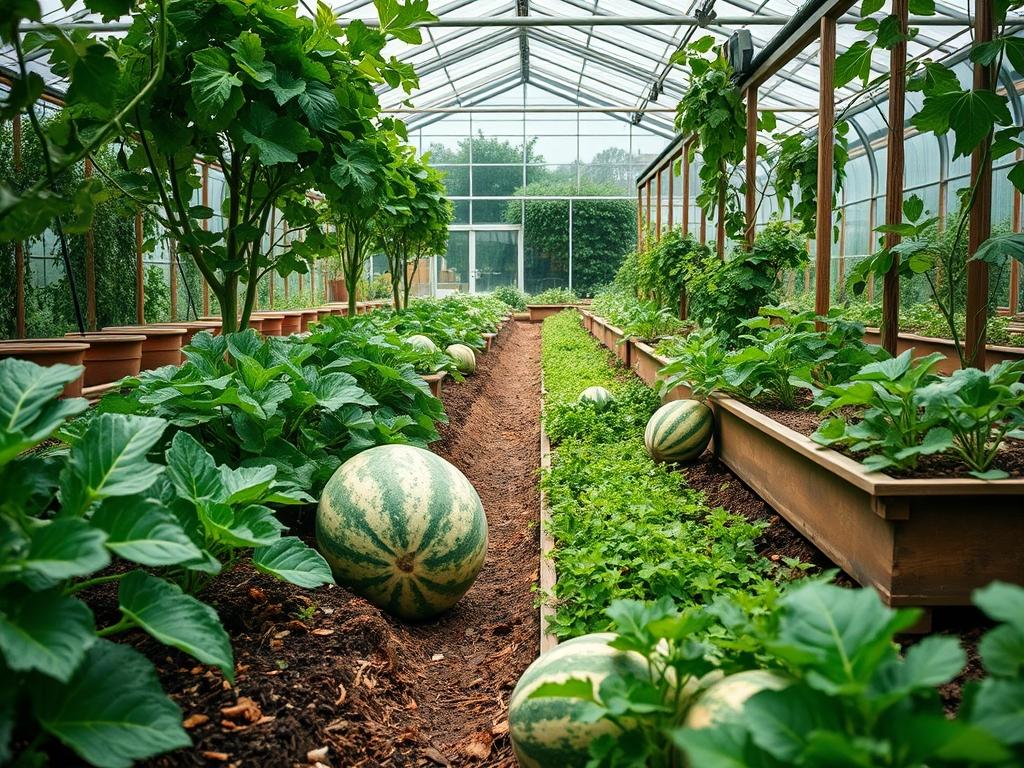
Incorporating large scale produce into a residential landscape requires a sophisticated balance between horticultural necessity and aesthetic cohesion. Many homeowners view the vegetable garden as a separate, utilitarian zone hidden behind a fence or relegated to the back corner of the property. However, when the goal is harvesting homegrown watermelon, the landscape architect must treat the sprawling vines of Citrullus lanatus as a structural element of the ground plane. These plants require significant spatial footprints, often extending 6 to 10 feet in multiple directions. Integrating such a dominant species into a professional landscape design involves managing its aggressive growth habits while ensuring the fruit remains a focal point rather than a chaotic intrusion. The challenge lies in the intersection of soil engineering, moisture management, and spatial hierarchy. A successful design ensures that the transition from ornamental perennial beds to the edible patch is seamless, maintaining curb appeal throughout the long, hot growing season.
The functionality of your outdoor environment depends on the environmental conditions provided to the plant. Because watermelons are heavy feeders and heat seekers, their location must be prioritized based on solar orientation and thermal mass. Placing the patch near a retaining wall or a stone patio can help retain heat, which accelerates fruit development in cooler climates. Furthermore, the sheer weight of a mature Moon and Stars or Crimson Sweet melon requires a stable, well graded surface. Poorly mapped drainage can lead to pooling water, which saturates the fruit and causes rot before it ever reaches the dinner table. We must treat the garden bed as a high performance landform, where every slope and irrigation line is engineered to support the ultimate goal of harvesting homegrown watermelon at the peak of its sugar content.
Landscape Design Principles
Symmetry and structure are vital when dealing with vines that tend toward the unruly. To maintain professional visual balance, define the watermelon patch with rigid borders using steel edging or pressure treated timber. This creates a clear container for the organic sprawl. Within this frame, focus on elevation layers. By mounding the soil into 8 inch hills, you create natural drainage and provide a slight height variation that distinguishes the watermelon area from flatter turf zones. These mounds also serve as the focal points during the early growth stages, providing a sense of order before the foliage fills the gaps.
Irrigation planning is perhaps the most critical design principle. Traditional overhead sprinklers are inefficient and invite fungal diseases such as powdery mildew. A professional landscape consultant will always recommend a subterranean or surface level drip irrigation system. This ensures water is delivered directly to the root zone, minimizing evaporation and keeping the foliage dry. Walkways should be planned with heavy flagstones or cedar mulch paths between the rows. This prevents soil compaction near the root systems and allows the gardener to access the vines for pruning and fruit rotation without disturbing the soil structure or the delicate vines.
Plant and Material Selection
| Plant or Material | Sun Exposure | Soil Needs | Water Demand | Growth Speed | Maintenance Level |
| :— | :— | :— | :— | :— | :— |
| Sugar Baby Watermelon | 8+ Hours | Sandy Loam | High Early/Low Late | Rapid | Moderate |
| Crimson Sweet | 8-10 Hours | Well-drained Rich | Moderate | Moderate | High |
| French Marigolds | Full Sun | Adaptable/Any | Low | Fast | Low |
| Landscape Fabric | N/A | N/A | N/A | N/A | Low |
| Hardwood Mulch | N/A | N/A | N/A | N/A | Seasonal |
| Drip Irrigation Kit | N/A | N/A | High Efficiency | N/A | Medium |
Implementation Strategy
The implementation begins with aggressive site preparation. Start by clearing the area and conducting a soil test to ensure a 6.0 to 6.8 pH level. Grading is the next priority. The site should have a gentle pitch, roughly 1 to 2 percent, to prevent water from stagnating around the crown of the plant. If the site is naturally flat, use high quality fill dirt and organic compost to create a series of raised mounds spaced 6 feet apart.
Once the mounds are formed, install the drip irrigation lines, ensuring each mound has a dedicated emitter. Cover the entire area with a professional grade geotextile or black plastic mulch. This material serves three purposes: it suppresses competitive weeds, retains soil moisture, and increases the soil temperature by several degrees. For a more aesthetic finish, a thin layer of straw or wood chips can be placed over the plastic. When harvesting homegrown watermelon, having the fruit rest on a clean, dry surface rather than bare soil is essential for preventing rind damage. Finally, install the hardscaping elements. Use large gravel or river rock for permanent borders and stepping stones for access. This creates a permanent framework that remains attractive even after the vines die back in the autumn.
Common Landscaping Failures
The most frequent error in large scale fruit landscaping is improper spacing. Homeowners often underestimate the vigor of the vines, leading to root overcrowding and poor air circulation. When vines overlap too densely, they compete for nutrients and create a humidor effect that invites pests. Improper drainage is another common failure. Watermelons planted in low lying areas or heavy clay soil often suffer from root rot or tasteless, waterlogged fruit.
Irrigation inefficiencies also plague many projects. If the water supply is inconsistent, the fruit can develop internal voids or crack open. Soil compaction is a hidden culprit of poor harvests. Walking directly on the garden bed compresses the pore space in the soil, preventing oxygen from reaching the roots. This is why defined walkways and stepping stones are a requirement, not a luxury. Lastly, neglecting the role of pollinators can lead to a complete lack of fruit. A site that is too sterile, without companion plants like nasturtiums or lavender, may fail to attract the bees necessary for fruit set.
Seasonal Maintenance
Spring maintenance focuses on temperature management and soil preparation. Till the soil to a depth of 12 inches and incorporate 5-10-10 granular fertilizer. If a late frost is predicted, use row covers or plastic domes to protect the young seedlings. As the season transitions into summer, the focus shifts to moisture control and vine training. Guide the vines so they remain within their designated zones and keep the drip irrigation running to provide 1 to 2 inches of water per week.
As the harvest approaches in late summer, reduce watering. This increases the sugar concentration within the fruit. For the best results in harvesting homegrown watermelon, look for the tendril nearest the fruit to turn brown and the underside of the melon to turn a creamy yellow. Autumn maintenance involves the removal of all spent vines and debris. This is crucial for preventing the overwintering of pathogens. Winter is the time for structural upgrades. Assess the performance of your irrigation timers and reconsider the layout if any drainage issues were observed. Applying a 2 inch layer of compost or a winter cover crop like clover will keep the soil healthy for the next spring cycle.
Professional Landscaping FAQ
How do I integrate watermelons without ruining my lawn aesthetic?
Use steel edging to create a defined boarder. This keeps vines contained and allows for a clean transition between the lush green of the lawn and the organic sprawl of the watermelon patch.
What is the best way to prevent fruit rot on the ground?
Place each fruit on a terracotta tile or a bed of clean straw. This separates the melon from soil moisture and insects, ensuring a clean rind during the harvesting process.
Can I grow watermelon in a small urban yard?
Yes, use a heavy duty trellis and vertical gardening techniques. Choose smaller varieties like Sugar Baby and support the growing fruit with mesh slings tied to the structure.
How much sun is truly necessary for a successful harvest?
A minimum of 8 hours of direct sunlight is required. For the highest sugar content, aim for a southern exposure that receives unobstructed light from mid morning through late afternoon.
What mulch is best for moisture retention and aesthetics?
Pine bark nuggets or shredded cedar are excellent choices. They provide a professional texture to the landscape while effectively insulating the soil and suppressing weeds.