
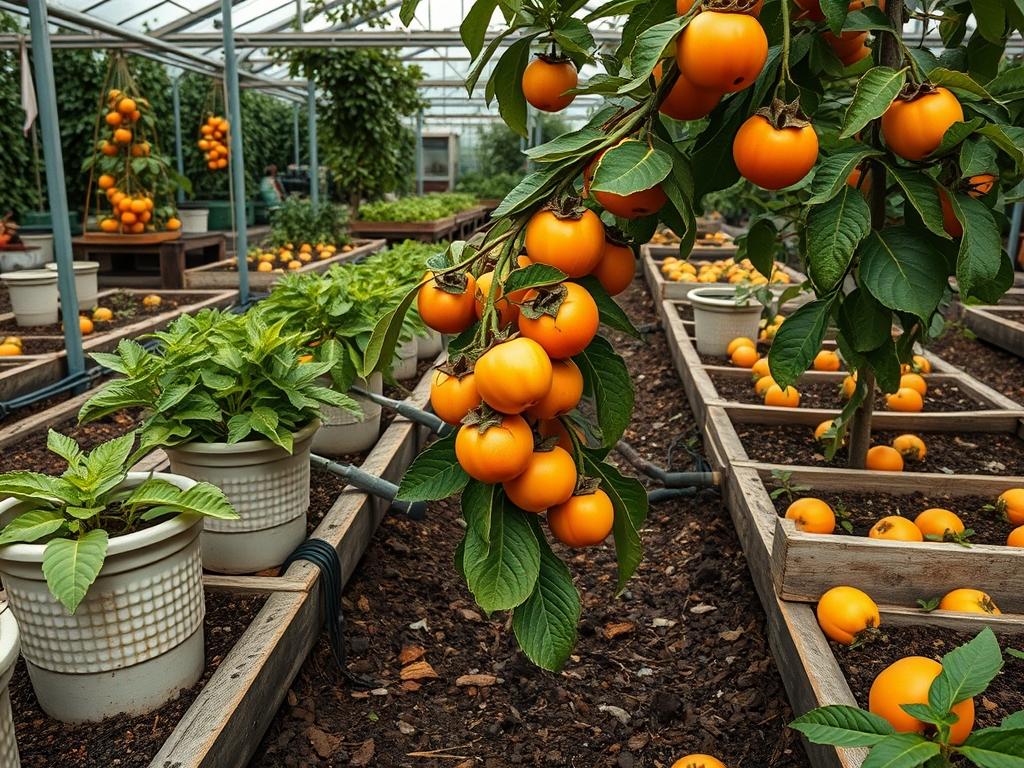
Integrating structural fruit trees into a modern residential landscape requires a sophisticated balance between aesthetic utility and horticultural functionality. As a landscape architect, I often view the persimmon tree as a focal centerpiece that bridges the gap between ornamental beauty and productive agriculture. This species, particularly the Asian Persimmon (Diospyros kaki), offers a structural elegance that few other deciduous trees can match in the temperate garden. Its glossy summer foliage transitions into a brilliant display of orange and crimson in the autumn, followed by a stark, sculptural silhouette during the winter months. Incorporating these trees into a site plan involves more than just digging a hole; it necessitates a deep understanding of soil mechanics, microclimates, and the logistical flow of the outdoor environment. Picking ripe persimmons becomes the final, rewarding movement in a well orchestrated seasonal symphony, provided the tree is positioned correctly to thrive within the broader landscape framework.
Climate considerations are the primary driver of successful garden planning for these specimens. While many varieties are hardy, the placement of the tree relative to the house and other hardscape elements can significantly influence fruit quality. A tree planted in a rain shadow or against a south facing retaining wall will experience a different heat sum than one located in an open lawn. This heat accumulation is critical for the chemical transition of tannins within the fruit. For the homeowner, the challenge is maintaining curb appeal while ensuring the tree remains accessible for maintenance and harvesting. A poorly placed tree can lead to fruit drop on expensive paver patios or staining on light colored natural stone walkways. Therefore, we must treat the persimmon as a strategic architectural element that demands thoughtful site grading and integrated drainage solutions to prevent the root rot often associated with heavy clay soils.
Landscape Design Principles
When designing a landscape that features fruit bearing trees, symmetry and scale are the most important tools in our kit. For a formal aesthetic, a pair of Fuyu persimmons can flank a transition point between a manicured lawn and a wilder garden zone, creating a natural gateway. In more contemporary, asymmetrical designs, a single specimen can serve as a powerful focal point within a large planter bed, surrounded by low growing native grasses or Mediterranean herbs such as rosemary and lavender. This layering technique creates depth and ensures that the garden remains visually interesting even when the tree is dormant.
Elevation and sightlines also play a major role in the design. We often use retaining walls to create tiered levels, which allows for better drainage and places the fruit at a more accessible height for picking. A well designed flagstone path should lead the eye toward the tree, serving both a functional role for the harvest and a visual role as a leading line. Irrigation planning must be subterranean and precise. We typically specify Netafim drip tubing or similar professional grade emitters buried under a generous layer of organic mulch to ensure consistent moisture without promoting fungal growth on the trunk. This level of planning ensures the tree is an asset to the property value rather than a maintenance burden.
Plant and Material Selection
Selecting the right cultivar is the pivot point between a successful harvest and a frustrating experience. Non-astringent varieties like the Fuyu are the gold standard for landscape integration because they can be eaten while firm, reducing the mess associated with ultra-soft fruit. Astringent varieties, such as the Hachiya, require a different management style and are better suited for the back of the property where fruit drop is less of a concern for foot traffic.
| Plant Type | Sun Exposure | Soil Needs | Water Demand | Growth Speed | Maintenance Level |
| :— | :— | :— | :— | :— | :— |
| Fuyu Persimmon | Full Sun | Well-drained, Loamy | Moderate | Slow-Moderate | Medium |
| Hachiya Persimmon | Full Sun | Sandy to Clay Loam | Moderate | Moderate | Medium |
| American Persimmon | Full to Partial | Adaptable/Tolerant | Low-Moderate | Fast | Low |
| Chocolate Persimmon| Full Sun | Rich, Organic | Moderate | Moderate | High |
| Giant Fuyu | Full Sun | Deep, Well-drained | Moderate | Slow | Medium |
Implementation Strategy
The implementation of a persimmon-centric landscape begins with site preparation and grading. We must ensure the area has a 2 percent slope away from the root ball to prevent standing water. Once the site is graded, we mark the locations for 15-foot spacing between trees to allow for future canopy spread. The planting hole should be twice as wide as the 24-inch root ball but no deeper, preventing the tree from settling too far into the earth and suffocating the crown.
Hardscaping should be installed before the trees are planted. This includes any granite edging or curbing that will define the mulch beds. After planting, we apply a 3-inch layer of hardwood mulch, keeping it at least 6 inches away from the trunk to prevent bark decay. For irrigation, we install a dedicated zone on the smart controller to account for the specific needs of fruit trees versus turf or ornamental shrubs. This systematic approach ensures that the “edible” part of the landscape is just as polished as the “ornamental” side.
Common Landscaping Failures
The most frequent mistake in residential landscapes is poor drainage. I have seen many high-priced specimens fail because they were planted in “bathtubs” created by heavy clay soil without proper perforated PVC drainage lines. Another common failure is root overcrowding. Homeowners often underestimate the ultimate width of a mature Diospyros tree, planting them too close to foundation walls or underground utility lines. This leads to structural issues for the house and health issues for the tree.
Irrigation inefficiencies are another major hurdle. Over-watering during the late summer can result in fruit splitting, while under-watering can lead to premature fruit drop. Soil compaction from heavy foot traffic or construction equipment near the dripline can also choke out the roots. Finally, improper spacing of companion plants can create a competitive environment for nutrients. We recommend a “buffer zone” of at least 4 feet around the base of the tree where no aggressive groundcovers are permitted.
Seasonal Maintenance
Managing a landscape with persimmons requires a rhythmic approach to maintenance. In the spring, the focus is on structural pruning. We use bypass loppers and hand pruners to remove any crossing branches or water sprouts, maintaining an open center for light penetration. This is also the time to apply a balanced, slow release granular fertilizer to support the flush of new growth. As we move into summer, monitoring the soil moisture becomes the priority. We check the drip system for clogs and ensure the mulch maintains its depth to keep the root zone cool.
Autumn is the most critical period for picking ripe persimmons. The landscape architect’s goal here is to ensure the harvest is efficient. Use a telescoping fruit picker for higher branches to avoid using ladders on uneven garden terrain. When the fruit reaches a deep orange hue and the calyx begins to lift slightly, it is ready. For non-astringent types, harvest while firm; for astringent types, wait until they feel like water balloons. In the winter, the focus shifts back to the architectural bones of the tree. We perform dormant oil sprays to manage pests and inspect the retaining walls and pathways for any shifting caused by root growth or freezing temperatures.
Professional Landscaping FAQ
How far should persimmons be from a patio?
Specify a minimum distance of 12 feet from any hardscape surface. This prevents fallen fruit from staining stone or concrete and ensures the mature canopy does not encroach on the usable outdoor living area or seating arrangements.
What is the best mulch for persimmon trees?
Use a coarse hardwood mulch or pine bark nuggets at a depth of 3 inches. This material regulates soil temperature and moisture while slowly improving soil structure as it decomposes, without creating the nitrogen tie-up common with fresh wood chips.
Can I plant persimmons in a container?
Dwarf varieties can thrive in large 30-gallon glazed ceramic pots with high quality potting soil. Ensure the container has excellent drainage and is placed on a wheeled caddy or pot feet to prevent moisture from damaging the deck or patio surface.
How do I prevent fruit drop in my landscape?
Consistent irrigation is the primary solution. Fluctuations in soil moisture, especially during the heat of July and August, cause the tree to shed fruit. Use a soil moisture meter to verify that the root zone remains evenly hydrated.
Does a persimmon require a second tree for pollination?
Most Asian varieties like Fuyu are self-fertile and do not require a second tree to produce fruit. However, planting two varieties can sometimes increase the yield and provide a more diverse visual texture to your orchard or garden design.