
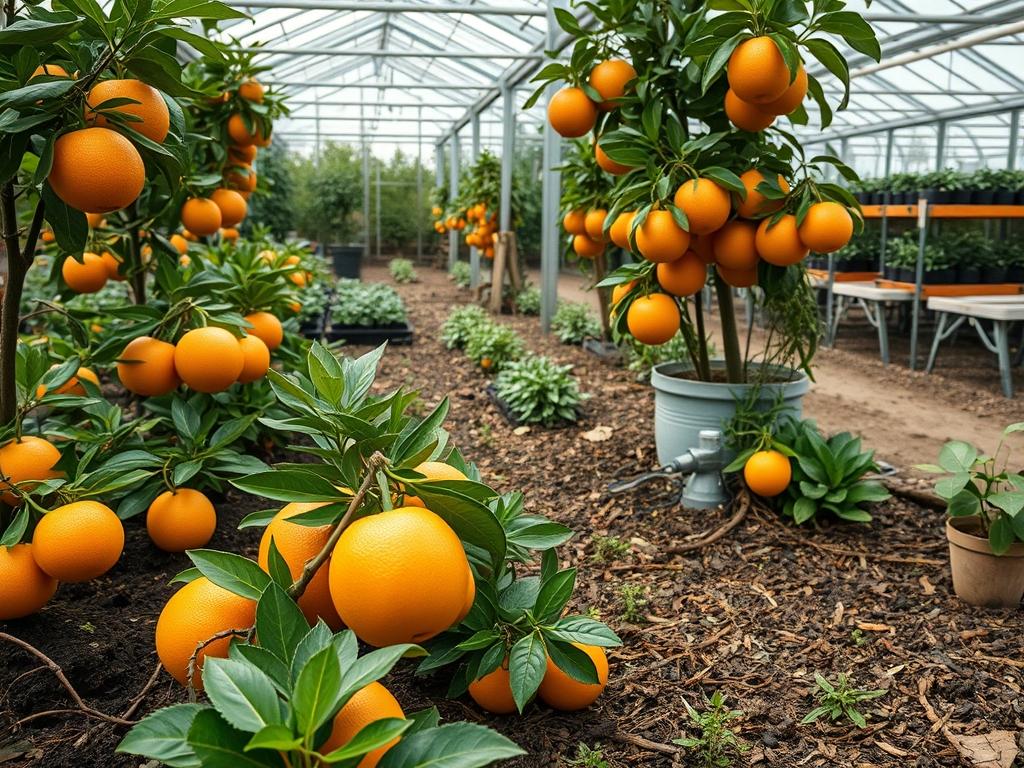
Integrating citrus trees into a cohesive landscape requires a sophisticated balance between aesthetic architectural form and the high production demands of fruit bearing species. When we approach a residential project designed for harvesting fresh oranges, we must look beyond simple horticulture. The citrus tree serves as a versatile focal point that enhances curb appeal while providing a functional utility that few other landscape elements can match. Success begins with a deep understanding of the local microclimate and topography, specifically focusing on USDA hardiness zones 9 through 11 where frost risks are minimal. A well planned orange grove transforms a standard backyard into a Mediterranean inspired retreat, where the glossy evergreen foliage provides year round screening and the fragrant spring blossoms elevate the sensory experience of the outdoor living space. From a design perspective, the goal is to create a seamless transition between the manicured hardscaping of a patio and the productive zones of the orchard. This involves calculating solar orientation to ensure a minimum of eight hours of direct sunlight, while also accounting for windbreaks that protect delicate blossoms from desiccation.
Landscape Design Principles
Effective citrus landscaping relies on the principle of axial symmetry to create a sense of order and permanence. In larger estates, planting Washington Navel or Valencia trees in structured rows creates a powerful visual corridor that draws the eye toward a central focal point, such as a fountain or a shaded seating area. For smaller urban lots, we often utilize citrus as a specimen element within a tiered elevation plan. By placing larger trees at the rear and shorter citrus varieties, such as the Calamondin, in the foreground, we establish depth and maximize the perceived size of the garden.
Walkway planning is equally critical for harvesting fresh oranges. We prefer using permeable materials like decomposed granite or stabilized gravel for paths between trees. These materials allow for efficient drainage and provide a stable surface for ladders and harvest bins during the peak season. The width of these paths should be no less than four feet to allow for easy movement and equipment access. Irrigation planning must be integrated into the initial design phase; we typically specify inline drip emitters or micro-sprays that deliver water directly to the root zone without wetting the trunk, which helps prevent fungal issues like phytophthora. Visual balance is achieved by underplanting citrus with drought tolerant, low profile species such as creeping thyme or rosemary, which suppress weeds and attract pollinators without competing for the heavy nutrient requirements of the orange trees.
Plant and Material Selection
| Plant Type | Sun Exposure | Soil Needs | Water Demand | Growth Speed | Maintenance Level |
| :— | :— | :— | :— | :— | :— |
| Valencia Orange | Full Sun | Loamy/Well-drained | Moderate | Medium | Medium |
| Washington Navel | Full Sun | Sandy Loam | High | Slow | High |
| Moro Blood Orange | Full Sun/Partial | Rich Organic | Moderate | Fast | Medium |
| Trovita Orange | Full Sun | Neutral pH | Moderate | Fast | Low |
| Hamlin Orange | Full Sun | Deep Sandy | High | Medium | Medium |
| Calamondin | Full Sun/Partial | Light/Porous | Low | Medium | Low |
Implementation Strategy
The actual installation of a citrus centric landscape begins with precision grading. Because orange trees are highly susceptible to root rot, the planting site must be graded to a two percent slope away from the root flare to ensure water does not pool at the base. We recommend a “mound” planting technique in areas with heavy clay soils. This involves creating a raised area approximately twelve inches above the surrounding grade, which significantly improves aeration for the feeder roots.
Once the grading is established, we outline the edging using powder coated steel or natural stone to define the borders between the orchard and the lawn or flower beds. This prevents invasive turf grasses from encroaching on the citrus root zone. Before the trees are placed, the soil should be amended with a high quality organic compost and a slow release citrus fertilizer containing micronutrients like iron, manganese, and zinc.
When the trees are in the ground, we apply a layer of hardwood mulch at a depth of four inches, taking care to keep the mulch at least six inches away from the trunk to prevent moisture trapping against the bark. For hardscaping elements like retaining walls, we utilize natural ledger stone or interlocking concrete pavers that complement the warm tones of the ripening fruit. If the site has significant drainage issues, a French drain system should be installed prior to planting to intercept subsurface water flow.
Common Landscaping Failures
The most frequent mistake in citrus landscaping is improper drainage management. When trees are planted in “basins” that trap stagnant water, the root system quickly suffocates, leading to chlorosis and eventual tree death. Another common failure is root overcrowding. Designers often underestimate the mature canopy spread of a Valencia tree, which can reach twenty feet in diameter. Planting too closely leads to light competition, which reduces fruit sugar content and makes harvesting fresh oranges difficult due to thickened, interlocking branches.
Soil compaction is another silent killer in the landscape. Heavy foot traffic or the use of heavy machinery near the drip line crushes the soil structure, eliminating the air pockets necessary for root respiration. We also frequently see irrigation inefficiencies where high volume turf sprinklers are allowed to spray the foliage of the trees. This increases the humidity within the canopy, creating a breeding ground for scale, aphids, and “sooty mold.” Finally, many homeowners fail to account for the weight of the fruit. Without proper structural pruning in the first three years, branches may snap under the weight of a heavy crop, or the tree may become leaning and unstable.
Seasonal Maintenance
Seasonal management is the key to a high yielding and beautiful citrus landscape. In the Spring, the focus is on nutrient replenishment. We apply a 13-13-13 NPK fertilizer just as the new growth flush begins. This is also the window for light structural pruning to remove “water sprouts” and any deadwood that accumulated over the winter. As we move into Summer, the priority shifts to hydraulic management. During periods of extreme heat, we monitor soil moisture using tensiometers to ensure the trees do not suffer from drought stress, which can cause the fruit to drop prematurely.
In the Autumn, we prepare for the peak window of harvesting fresh oranges. This involves cleaning the orchard floor of any fallen debris and checking the integrity of any support stakes or ties. We reduce nitrogen applications during this time to discourage soft new growth that would be vulnerable to early frosts. Winter maintenance in the landscape is largely about protection. In cooler zones, we keep frost blankets or burlap wraps ready for evening deployment. We also apply a copper fungicide spray during the dormant period to protect against winter pathogens. Throughout all seasons, maintaining the four inch mulch layer is vital for regulating soil temperature and preserving a healthy subterranean ecosystem.
Professional Landscaping FAQ
How much space do I need between orange trees?
Standard orange trees require fifteen to twenty feet of spacing to allow for full canopy development and sunlight penetration. Semi-dwarf varieties can be spaced at ten to twelve feet, while true dwarfs function well at six to eight feet intervals.
Can I grow orange trees in large containers?
Yes, dwarf varieties like the Trovita thrive in twenty gallon pots. Ensure the containers have multiple drainage holes and use a high porosity potting mix. Potted citrus requires more frequent fertilization and watering than trees planted in the ground.
What is the best mulch for a citrus landscape?
We recommend coarse wood chips or shredded cedar mulch. Avoid fine textured mulches that can mat down and prevent water infiltration. Ensure the mulch is kept away from the trunk to prevent crown rot and fungal infections.
How do I prevent grass from stealing nutrients from my trees?
Establish a “no grow zone” at least three feet in diameter around the trunk. Use landscape edging to create a physical barrier and maintain a thick layer of mulch to suppress weed and grass germination within the root zone.
Why are my orange tree leaves turning yellow?
This is often a sign of nitrogen deficiency or poor drainage. Check the soil moisture levels first. If the soil is not waterlogged, apply a chelated iron supplement and a balanced citrus fertilizer to restore the deep green foliage color.