
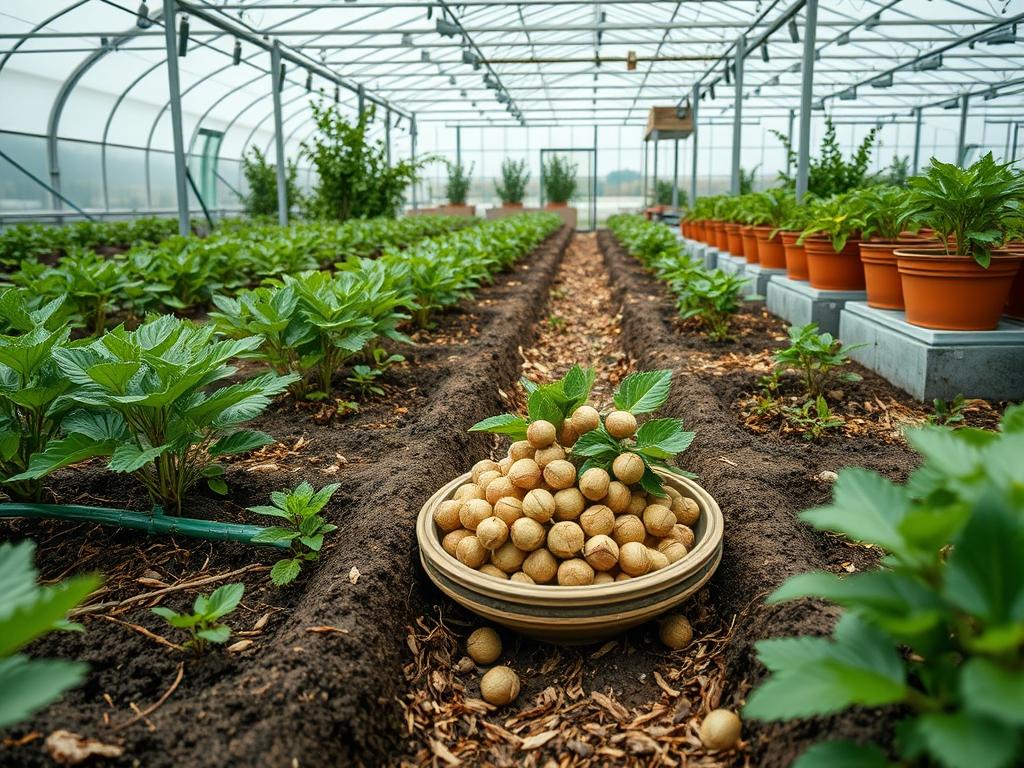
Integrating nut-bearing shrubs into a sophisticated residential landscape presents a unique set of challenges and rewards for the modern homeowner. While many focus purely on the aesthetic value of ornamental species, the inclusion of the American Hazelnut or European Hazelnut provides a multi-functional benefit that enhances both curb appeal and outdoor utility. As a landscape architect, I look at these specimens not just as food sources, but as structural elements that define property boundaries, provide privacy, and offer vibrant seasonal color transitions. However, the primary obstacle in any edible landscape design is the inevitable competition with local wildlife. For those interested in Picking Fresh Hazelnuts before squirrels and birds deplete the harvest, the strategy begins with the very layout of the garden. By understanding the intersection of site conditions, species selection, and harvest timing, you can create an environment that is both beautiful and bountiful.
The success of a hazelnut-focused landscape depends heavily on the microclimate of your property. These shrubs thrive in USDA hardiness zones 4 through 9, depending on the specific cultivar. From a design perspective, they function exceptionally well as high-reaching hedges or as part of a tiered woodland edge. When we plan these spaces, we must consider the air drainage of the site. Planting in low-lying frost pockets can damage early spring catkins, which are essential for nut production. Therefore, placing these trees on slightly elevated ground or near windbreaks can stabilize the environment. This careful placement ensures that when the time comes for harvest, the crop is robust enough to share with nature while still providing a significant yield for the kitchen.
Landscape Design Principles
Effective landscape architecture relies on the seamless integration of form and function. When incorporating hazelnut trees, symmetry and focal points act as the visual anchors of the design. A pair of well-pruned American Hazelnuts can flank a stone walkway, creating a natural gateway that draws the eye toward a primary focal point, such as a fountain or a formal seating area. Because these shrubs can reach heights of 10 to 15 feet, they serve as an excellent mid-level layer in a multi-story planting scheme. We often place them behind lower-profile perennials like hostas or ferns to create a sense of depth and lushness.
Elevation layers are critical when designing for both visual balance and ease of maintenance. By utilizing retaining walls made of natural fieldstone or timber, we can create raised beds that improve soil drainage while bringing the fruit closer to eye level. This elevation is particularly helpful when Picking Fresh Hazelnuts, as it allows for easier inspection of the husks. Furthermore, irrigation planning must be integrated into the initial design phase. We typically recommend a drip irrigation system buried beneath 3 inches of hardwood mulch. This configuration ensures consistent moisture delivery to the root zone without wetting the foliage, which reduces the risk of fungal diseases such as eastern filbert blight.
Plant and Material Selection
Selecting the right variety is the most important decision in the planning process. Different species offer varying nut sizes, growth rates, and resistance to local pests.
| Plant Type | Sun Exposure | Soil Needs | Water Demand | Growth Speed | Maintenance Level |
| :— | :— | :— | :— | :— | :— |
| American Hazelnut | Full Sun to Part Shade | Well-drained Loam | Moderate | Fast | Medium |
| European Hazelnut | Full Sun | Rich, Fertile Soil | High | Moderate | High |
| Beaked Hazelnut | Part Shade to Shade | Moist, Acidic | High | Slow | Low |
| Turkish Filbert | Full Sun | Drought Tolerant | Low | Moderate | Low |
| Corkscrew Hazel | Full Sun to Part Shade | Standard Garden Soil | Moderate | Slow | Medium |
Beyond the plants themselves, the materials used in the surrounding landscape dictate the longevity of the garden. We utilize landscape staples to secure weed barriers in non-production zones, though we avoid these barriers directly under the hazelnut canopy to allow for natural nutrient cycling. For walkways, crushed granite or pea gravel provides a permeable surface that allows water to reach the lateral root systems of the trees while providing a clean, stable surface for harvesting activities.
Implementation Strategy
The transition from a design on paper to a physical landscape requires a disciplined implementation strategy. We begin with grading, ensuring the land slopes away from residential structures at a rate of at least 2 percent. This prevents water from pooling near the foundation or around the sensitive crown of the hazelnut trees. Once the grade is established, we mark the layout using marking spray or surveyor tape, identifying exactly where each specimen will be placed. Proper spacing is vital; for a dense hedge, plants should be spaced 4 to 6 feet apart, whereas individual specimen trees require at least 15 feet of clearance to allow for horizontal canopy expansion.
Edging is the next step in defining the landscape’s structure. We often use steel edging or poured concrete curbs to create a sharp transition between turf areas and planting beds. This prevents invasive grasses from competing with the hazelnut trees for nutrients. After the trees are installed, applying a thick layer of organic mulch is essential. This mulch regulates soil temperature and retains moisture, which is critical during the heat of mid-summer when the nuts are filling out. Finally, for those serious about Picking Fresh Hazelnuts, we integrate wildlife netting or fine mesh screens into the design. These can be draped over custom-built cedar frames during the harvest month to prevent squirrels from stealing the entire crop in a single afternoon.
Common Landscaping Failures
One of the most frequent mistakes in residential landscaping is the failure to account for drainage. Hazelnut trees are particularly sensitive to “wet feet.” If the soil remains saturated for extended periods, the roots will begin to decay, leading to stunted growth or tree death. Installing a French drain or a dry creek bed can redirect excess runoff and turn a drainage liability into an aesthetic asset. Another common failure is root overcrowding. Homeowners often plant for immediate impact, placing shrubs too close together. Over time, this leads to a lack of airflow, which encourages powdery mildew and limits sunlight penetration to the inner branches where many nuts grow.
Improper irrigation management also ranks high among landscaping errors. Overhead sprinklers might be convenient for lawns, but they are detrimental to hazelnut trees. Wet leaves during the humid summer months are a breeding ground for pathogens. Transitioning to a zone-based irrigation controller allows you to tailor the water delivery to the specific needs of the trees rather than the grass. Lastly, soil compaction from heavy foot traffic or construction equipment can suffocate root systems. Using aeration tools and avoiding heavy machinery near the dripline of the trees will preserve the soil structure and ensure the long-term health of the grove.
Seasonal Maintenance
Maintenance is a year-round commitment that changes with the seasons. In the spring, the focus is on fertilization and monitoring for early pests. We recommend a balanced organic fertilizer applied just as the buds begin to swell. Pruning should also occur in late winter or very early spring while the plant is still dormant. Using bypass pruners and loppers, remove the “three Ds”: dead, damaged, and diseased wood. This keeps the structure open and ensures maximum sunlight reaches the developing clusters.
During the summer, moisture management becomes the priority. If the leaves begin to wilt or curl, the tree is under drought stress, which can cause the nuts to be small or empty. Autumn is the most rewarding season, focused on Picking Fresh Hazelnuts. You must watch the husks closely; when they turn from vibrant green to a pale yellow or light brown, the nuts are ready. If you wait for them to fall to the ground, you are likely to lose them to wildlife. Instead, gently shake the branches over a heavy-duty tarp or hand-pick the clusters directly. Once winter arrives, maintenance involves protecting the bark from rodent damage. Wrapping the lower 24 inches of the trunk with plastic tree guards or wire mesh will prevent rabbits and voles from girdling the trees during the lean winter months.
Professional Landscaping FAQ
How do I know the hazelnuts are ready to harvest?
Check the husks, also called involucres, for a color shift from green to brown. If the nut rotates easily within the husk or falls out when touched, the sugars have developed and it is time for Picking Fresh Hazelnuts.
Do I need more than one tree for a successful harvest?
Yes, most hazelnut varieties are not self-fertile. To ensure pollination, you must plant two different cultivars that bloom at the same time. Wind carries the pollen, so planting them within 50 feet of each other is recommended for best results.
What is the best way to deter squirrels from my nut trees?
Strategic exclusion is the most effective method. Use ultrasonic repellents or install motion-activated sprinklers near the trees. For high-value crops, enclosing the canopy in a lightweight bird net or polypropylene mesh is the only foolproof solution.
How much sun do hazelnut trees actually need to produce fruit?
While the plants can grow in partial shade, nut production is highest in full sun, meaning at least 6 to 8 hours of direct light daily. Lower light levels results in a denser wood but a significantly smaller harvest.
Can I grow hazelnuts in heavy clay soil?
It is possible but challenging. You must incorporate organic compost and expanded shale to improve porosity. Planting on a raised mound or using retaining walls to create an elevated bed will help prevent the root rot associated with clay.