
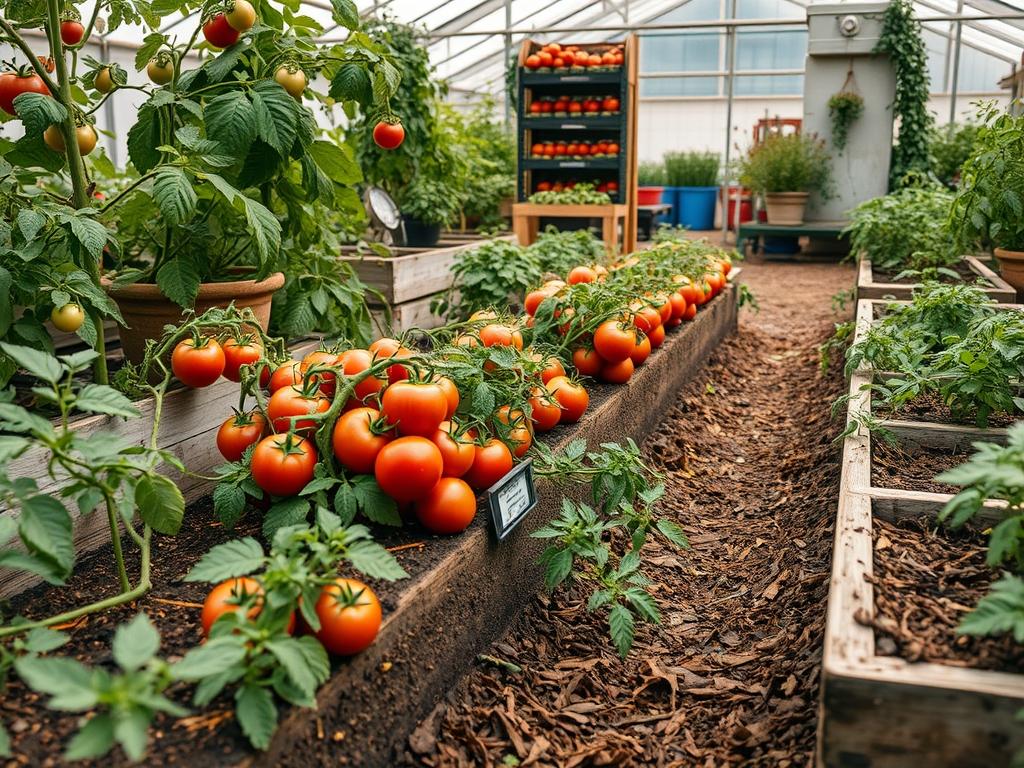
Integrating edible crops into a high-end residential landscape requires a sophisticated balance between aesthetic form and physiological function. Many homeowners view vegetable production as a utilitarian task confined to hidden corners, but a professional landscape architect understands that the timing of a harvest is inextricably linked to the design of the environment itself. When we discuss tomato harvest timing, we are really discussing the culmination of site-specific variables including solar orientation, thermal mass, and hydrological efficiency. A poorly placed garden bed may delay fruit maturation by weeks, whereas a strategically designed microclimate can accelerate sugar accumulation and enhance the flavor profile of the fruit. The challenge lies in creating a space that maintains its curb appeal throughout the growing season while providing the specific environmental requirements needed for Solanum lycopersicum to reach its peak chemical complexity.
The success of a productive landscape depends heavily on the local climate and the immediate topography of the property. For a gardener seeking peak flavor, the interval between the first blush of color and the final pick is a high stakes window. This process starts with site analysis to ensure that the garden receives a minimum of eight hours of direct sunlight. Without this, the metabolic processes required for lycopene development and sugar synthesis will lag behind, leading to mealy textures and acidic profiles. By positioning the garden against a south-facing retaining wall or using stone pavers as a thermal heat sink, an architect can extend the growing season and stabilize nighttime temperatures. This thermal regularity is the secret to consistent ripening and prevents the fruit cracking that often occurs during sudden temperature fluctuations.
Landscape Design Principles
A professional garden layout should treat the vegetable patch as a structured architectural element rather than an afterthought. Horizontal symmetry can be achieved by using cedar raised beds or corten steel planters that mirror the lines of the home; meanwhile, verticality is introduced through the use of high-gauge steel trellises or obelisks. These structures do more than provide support; they facilitate better airflow, which is critical for preventing the fungal pathogens that can ruin a crop just as it reaches the harvest window. Functional walkways made of decomposed granite or flagstone should be at least three feet wide to allow for easy access with harvesting baskets and stainless steel pruning shears.
The concept of elevation layers is also vital in a productive landscape. By varying the height of planting beds, we can create a tiered effect that allows for better drainage and ease of maintenance. The highest layers should be reserved for indeterminate varieties that require significant staking, while the foreground can be populated with dwarf or determinate varieties that provide a dense, green border. Irrigation planning must be addressed at the design phase. We utilize a drip irrigation system with pressure-compensating emitters to ensure that water is delivered directly to the root zone. This prevents the foliage from becoming wet, which effectively reduces the risk of blight and ensures that the plant allocates its energy toward fruit production rather than repairing tissue damage caused by moisture-borne diseases.
Plant and Material Selection
The choice of cultivars and structural materials determines the longevity and productivity of the garden. Below is a breakdown of common species and their specific requirements within a designed landscape.
| Plant Type | Sun Exposure | Soil Needs | Water Demand | Growth Speed | Maintenance Level |
| :— | :— | :— | :— | :— | :— |
| Cherokee Purple | Full Sun | High Organic Matter | Moderate | Medium | High |
| San Marzano | Full Sun | Well-Drained Loam | High | Fast | Medium |
| Sungold Cherry | Full Sun/Partial | Standard Garden Soil | Moderate | Very Fast | Low |
| Brandywine | Full Sun | Deep, Rich Silt | High | Slow | High |
| Celebrity Hybrid | Full Sun | Versatile | Moderate | Medium | Low |
| Ames Ground Cherry| Full Sun | Sandy Loam | Low | Medium | Low |
Implementation Strategy
The implementation of a high-performance garden begins with the grading of the site. A 2 percent slope is ideal for ensuring that excess metabolic runoff does not pool around the base of the plants. Once the grade is established, we install perforated drainage pipes wrapped in filter fabric to mitigate any heavy rainfall events. The layout of the garden should follow a “Zoned” approach. In Zone 1, closest to the outdoor kitchen or main residence, we place the most frequently harvested varieties.
For the beds themselves, we recommend a soil mixture consisting of 60 percent screened topsoil, 30 percent organic compost, and 10 percent perlite or coarse sand for aeration. Edging is performed using powder-coated aluminum or hardwood timbers to create a clean transition between the garden and the lawn. Once the plants are installed, a 3-inch layer of natural cedar mulch is applied. This mulch acts as a barrier to prevent soil-borne pathogens from splashing onto the leaves during irrigation and helps maintain the consistent soil moisture necessary for preventing blossom end rot. Hardscaping elements, such as a stone bench positioned nearby, provide a place for the gardener to inspect the fruit daily, which is the only way to ensure the harvest occurs at the exact “breaker stage” for maximum flavor.
Common Landscaping Failures
One of the most frequent errors in garden design is poor drainage planning. When soil becomes saturated, the roots are deprived of oxygen, leading to a total shutdown of the plant’s nutrient uptake. This often results in bland, watery fruit. Another common issue is root overcrowding. While it is tempting to plant densely for an immediate visual impact, Solanum lycopersicum requires at least 24 to 36 inches of spacing between stems. Without this gap, the lack of airflow creates a micro-environment ripe for powdery mildew.
Soil compaction is another silent killer of garden productivity. If walkways are not clearly defined, foot traffic will compress the soil, destroying its pore space and preventing root expansion. Finally, irrigation inefficiencies, such as using overhead sprinklers, can lead to uneven ripening and fruit rot. A professional landscape avoids these pitfalls by integrating a dedicated smart irrigation controller that adjusts water delivery based on local weather data, ensuring the plants receive precisely what they need and nothing more.
Seasonal Maintenance
Landscape management is a year-round commitment that changes with the sun’s angle and soil temperature. In the spring, the focus is on soil preparation and the installation of support structures. We check all hose bibbs and irrigation valves for leaks and clear any debris from the drainage grates. As summer approaches, the emphasis shifts to “suckering,” which is the removal of non-fruiting stems to redirect energy toward the developing clusters. This is also the time for supplemental fertilization using a low-nitrogen, high-potassium organic blend to boost fruit quality.
Autumn is the season for the final harvest and site sanitation. Once the first frost is predicted, the remaining green fruit should be harvested to ripen indoors. The spent plant material must be removed and composted, provided it is disease-free, to prevent pests from overwintering in the soil. During the winter months, we focus on hardscape maintenance. This includes sealing stone surfaces and checking the integrity of retaining walls. We may also plant a cover crop, such as winter rye or crimson clover, to protect the soil from erosion and to fix nitrogen for the following year’s planting cycle.
Professional Landscaping FAQ
How do I know the exact moment to harvest?
Harvest when the fruit is firm and the color is uniform. For the best flavor, pick when the tomato is about 90 percent colored but still slightly resistant to a gentle squeeze; this is the peak of aromatic development.
Does mulch affect the flavor of my tomatoes?
Indirectly, yes. Organic mulch regulates soil temperature and moisture levels. By preventing the stress of dry-and-wet cycles, the plant can produce a higher concentration of sugars and acids, leading to a more complex and balanced flavor profile.
Can I grow tomatoes in a purely decorative landscape?
Absolutely. Many varieties have beautiful architectural foliage and vibrant fruit that act as focal points. Use copper obelisks or ornamental cages to integrate them into perennial borders, ensuring they receive enough light among the other landscape plants.
What is the best way to handle garden drainage?
Install a French drain or use a sloped site to prevent standing water. If your landscape has heavy clay soil, use raised beds filled with high-quality planting media to ensure the root zone stays aerated and dry.
How often should I calibrate my irrigation system?
Check your drip lines and emitters once a month. Look for clogs or leaks that could cause uneven watering. Consistent moisture is the most important factor in preventing fruit splitting and ensuring a high-quality harvest at the end of the season.