
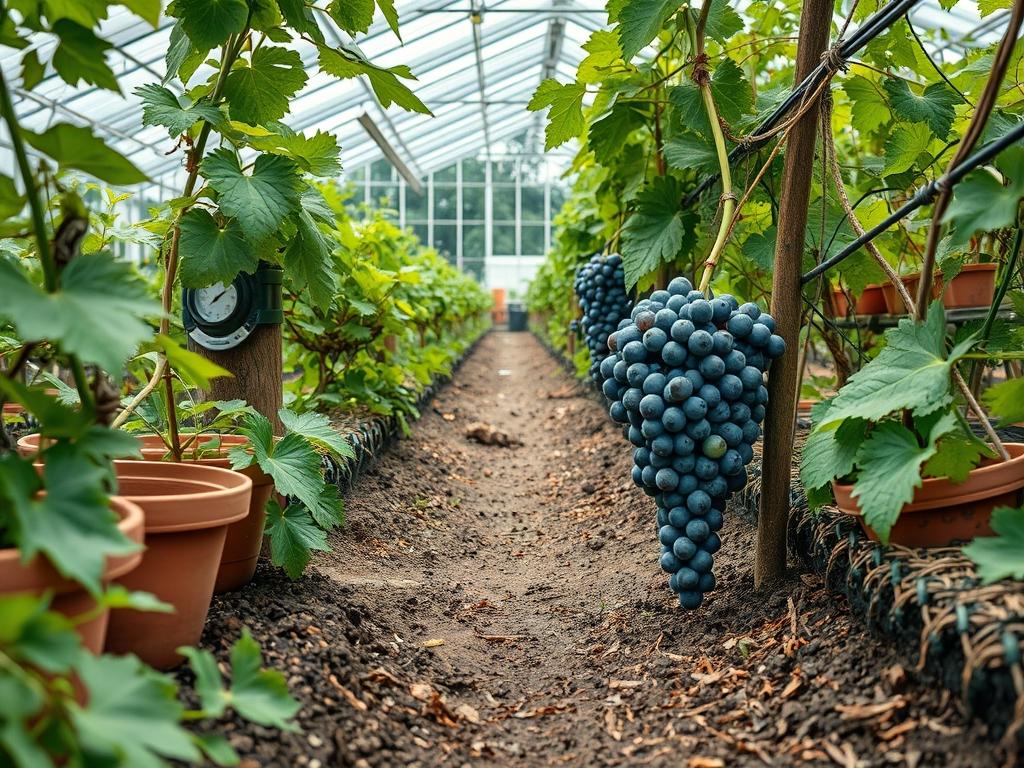
Integrating a functional vineyard into a residential landscape design requires a sophisticated balance between structural aesthetics and horticultural precision. When we approach a site with the intent of harvesting garden grapes, we are not merely planting a vine; we are engineering an environment where microclimates, drainage patterns, and soil chemistry converge to produce high-quality fruit. Beyond the visual appeal of lush, sprawling canopies and Mediterranean-inspired arbors, the true success of these installations is measured during the harvest window. Harvesting garden grapes at their peak requires an understanding of the ripening process, specifically the accumulation of sugars within the fruit. For the landscape architect, this transition from a green, structural element to a productive food source represents the pinnacle of outdoor functionality. The timing of the harvest affects the longevity of the plant and the quality of the yield, making the testing of sugar levels a vital skill for any high-end estate manager or dedicated home gardener.
Establishing a vineyard as a focal point in a landscape design also enhances curb appeal and increases the property value by providing a mature, established feel. Whether the vines are draped over a custom-built Hardwood Pergola or trained along a meticulous Galvanized Wire Trellis, their presence suggests a permanent connection to the land. However, the challenge lies in the local climate. Grapes are highly sensitive to frost pockets and humidity. As designers, we must prioritize air circulation and solar orientation, ensuring that the fruit receives the necessary light to synthesize sugars. If the landscape is designed with poor drainage or inadequate sun, the sugar levels will never reach the desired threshold for a successful harvest.
Landscape Design Principles
In the realm of professional landscape architecture, the design of a vineyard space must adhere to the principles of symmetry and focal points. We often use the rows of a vineyard to create a forced perspective, drawing the eye toward a central feature such as a stone fountain or a shaded seating area. This visual balance is achieved by spacing the rows approximately 8 to 10 feet apart, allowing for both equipment access and a sense of openness. Elevation layers are equally important. By planting on a gentle slope with a 2 percent grade, we ensure that cold air and excess water move away from the root zones, protecting the delicate ripening fruit from rot and frost damage.
Irrigation planning is another pillar of a successful grape landscape. We typically implement a Drip Irrigation System with emitters spaced specifically at the base of each trunk. This targeted delivery minimizes water waste and prevents moisture from accumulating on the leaves, which can lead to fungal diseases. Modern vineyard designs also incorporate hardscaped walkways using Permeable Pavers or Decomposed Granite. These materials provide a stable surface for harvesting activities while allowing rainwater to infiltrate the ground, maintaining the natural hydrological cycle of the site.
Plant and Material Selection
Selecting the right cultivar is the most critical decision in the planning phase. The choice depends on the hardiness zone of the property and the intended use of the grapes, whether for fresh consumption or winemaking.
| Plant Type | Sun Exposure | Soil Needs | Water Demand | Growth Speed | Maintenance Level |
| :— | :— | :— | :— | :— | :— |
| Vitis labrusca (Concord) | Full Sun | Acidic, Well-drained | Moderate | Fast | High |
| Vitis vinifera (Chardonnay) | Full Sun | Rocky, Calcareous | Low | Medium | Very High |
| Muscadine (Southern Home) | Full Sun | Sandy, Neutral | Moderate | Fast | Medium |
| Table Grape (Reliance) | Full Sun | Loamy, Deep | Moderate | Medium | High |
| Wine Grape (Merlot) | Full Sun | Well-drained Slopes | Low | Medium | High |
Implementation Strategy
The process of implementing a vineyard begins with precise site grading. We want to avoid any depressions where water might pool. Once the site is leveled or sloped correctly, we install the structural supports. For a professional aesthetic, we use 6-inch by 6-inch Pressure-Treated Cedar Posts set at depths of 3 feet to handle the heavy weight of a mature canopy. The wires should be tensioned using Ratchet Strainers to prevent sagging during the heat of the summer when the fruit load is at its heaviest.
When the vines begin to fruit, the focus shifts to the harvest. To test sugar levels properly before harvesting garden grapes, a Handheld Refractometer is the industry standard tool. This device measures the Brix level, which is the percentage of sugar by weight in the juice. To perform a test, we select a random sample of at least 20 berries from different sections of the vineyard. It is vital to pick berries from the top, middle, and bottom of the clusters, as well as from both the sun-exposed and shaded sides of the vine. We crush these berries in a clean container and place a few drops of the juice onto the prism of the Refractometer.
Most table grapes are ready for harvest when they reach a Brix level of 16 to 18, while wine grapes may require a level of 22 to 26, depending on the desired wine style. We also look for secondary indicators such as the seeds turning from green to brown and the stems of the clusters becoming woody in appearance. Once these metrics are met, the harvest can proceed using Bypass Pruning Shears to ensure clean cuts that do not damage the permanent cordons of the vine.
Common Landscaping Failures
The most frequent failure we observe in vineyard landscaping is improper spacing and root overcrowding. When vines are planted too closely, they compete for nutrients and water, resulting in stunted fruit with low sugar concentrations. Furthermore, a lack of airflow within the canopy creates a stagnant environment where powdery mildew thrives. This disease can ruin an entire season of fruit in a matter of days.
Another common mistake involves drainage and soil compaction. If the soil is heavily compacted by construction equipment during the installation of hardscaping, the roots will struggle to penetrate the earth, and water will sit on the surface. We solve this by incorporating Organic Compost and Coarse Sand into the soil before planting. Lastly, many homeowners fail to manage their irrigation correctly as the harvest approaches. Continuing to water heavily right before the harvest can dilute the sugars in the berries, leading to a bland flavor. We generally recommend tapering off water delivery two weeks prior to the expected harvest date to concentrate the flavor profile.
Seasonal Maintenance
Landscape management for grapes is a year-round commitment. In the spring, the focus is on Spur Pruning or Cane Pruning to remove up to 90 percent of the previous year’s growth. This ensures the plant’s energy is directed into fruit production rather than excessive foliage. We also apply a layer of 3-inch Wood Chip Mulch around the base of the vines to suppress weeds and retain consistent soil moisture.
During the summer, we perform “leaf pulling,” which is the strategic removal of leaves around the fruit clusters to improve sun exposure and airflow. This is the period where monitoring for pests is crucial. In autumn, the primary task is the harvest itself, followed by the removal of any fallen fruit or debris to prevent over-wintering pests. Winter maintenance involves checking the integrity of the Trellis System and ensuring the vines are securely tied. In colder climates, we may also mound soil over the graft unions to provide insulation against sub-zero temperatures. This cyclical approach ensures that the landscape remains both beautiful and productive for decades.
Professional Landscaping FAQ
How do I know if my soil is right for grapes?
Professional architects recommend a soil test to check for a pH between 5.5 and 7.0. Grapes prefer well-drained, loamy soil. Avoid heavy clay that retains too much water, as this leads to root rot and poor fruit quality.
What is the best way to prevent birds from eating the harvest?
We suggest installing UV-Rated Vineyard Netting over the canopy once the fruit begins to change color. This physical barrier is the most effective method to protect your sugar-rich grapes without using chemicals or disrupting the aesthetic of the garden.
Can I grow grapes in a small backyard?
Yes, grapes are excellent for vertical landscaping. By using a Vertical Trellis or a wall-mounted wire system, you can produce a significant harvest in a footprint of only a few square feet, provided the site receives at least 8 hours of sun.
Why are my grapes sour even though they look ripe?
Color is not a definitive indicator of ripeness. The berries may have changed color, known as Veraison, but they still need several weeks to accumulate sugar. Always use a Refractometer to verify the Brix levels before you begin picking.
How often should I fertilize my vineyard?
Fertilization should be done sparingly. We typically apply a balanced 10-10-10 Fertilizer in early spring just as the buds begin to break. Avoid late-season nitrogen applications, as this encourages soft, green growth that is susceptible to winter kill.