
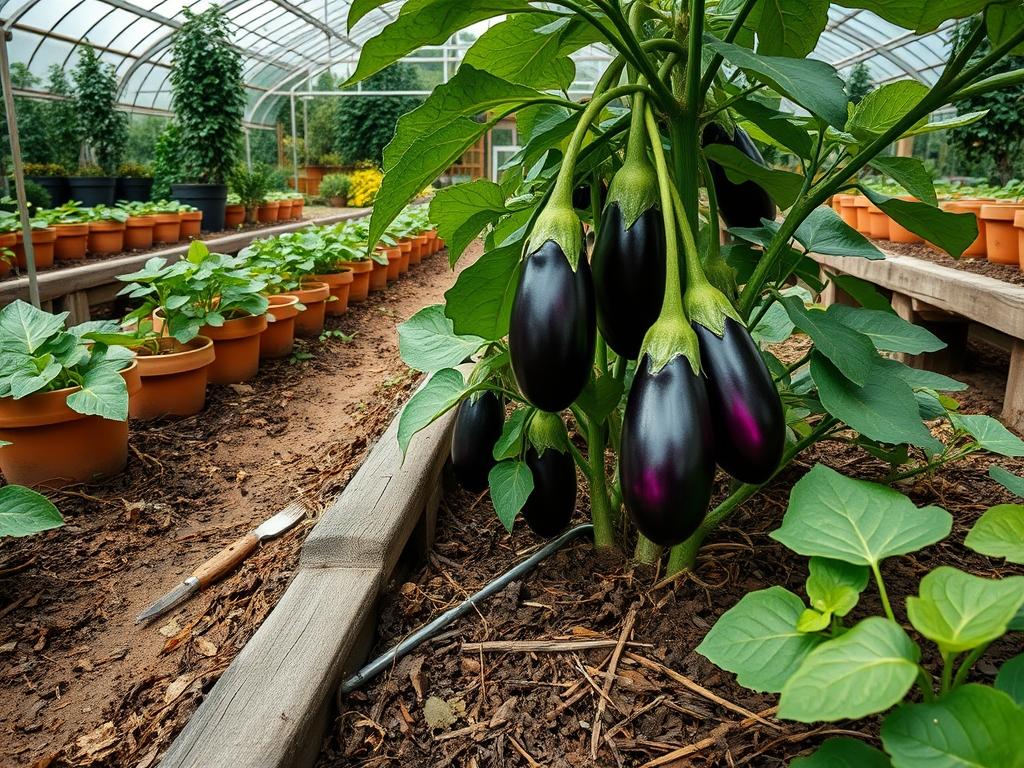
Integrating edible crops into a sophisticated landscape design requires a delicate balance between utility and aesthetics. When we design high-end outdoor environments, we often treat the vegetable garden not as a hidden utility zone, but as a central feature that contributes to the property’s curb appeal. The eggplant, scientifically known as Solanum melongena, offers some of the most striking visual elements in an edible landscape, featuring velvety silver-green foliage and vibrant purple blossoms. However, maintaining the professional polish of such a space depends heavily on the timing of the harvest. Picking eggplant fruits while they are still glossy is not merely a culinary preference; it is a vital maintenance step that ensures the plant remains a productive and beautiful focal point rather than an eyesore of yellowing, overripe fruit and senescing leaves.
From a landscape architect’s perspective, the physiological state of the plant dictates the visual quality of the entire garden bed. When an eggplant reaches its peak glossiness, it signals a state of peak vigor. If the fruit is allowed to linger until it loses its sheen or turns a dull copper hue, the plant shifts its energy from growth and flower production to seed maturation. This shift often results in a decline in foliage density and a lanky, unkempt appearance that can ruin the symmetry of a carefully planned border. In regions with long growing seasons, such as USDA zones 8 through 10, the outdoor functionality of a kitchen garden relies on this continuous cycle of renewal. By harvesting early and often, we maintain the “filling” layer of the garden, ensuring that the dark, reflective surfaces of the fruit contrast sharply against the surrounding textures of soft herbs or rigid stone paths.
Landscape Design Principles
In professional garden planning, we use the eggplant as a structural element that provides both height and color. Achieving a balanced landscape requires adherence to core design principles, starting with symmetry. In a formal potager garden, placing Eggplants in identical Terracotta Planters on either side of a Flagstone Walkway creates a sense of arrival. This visual anchoring is enhanced by the deep violet or white hues of the fruit, provided they are harvested while the skin is tight and light-reflective. A dull, overripe fruit absorbs light rather than reflecting it, which effectively flattens the visual depth of the planting bed.
Focal points are equally essential in a well-conceived backyard layout. A grouping of three to five Eggplant stalks can serve as a mid-height anchor in an edible border, bridging the gap between low-growing ground covers like Thyme and taller structural elements like Trellised Beans. Elevation layers are created by utilizing different cultivars; for instance, the tall, upright Black Beauty variety provides a different architectural silhouette than the compact, bushier Fairytale variety. To maintain the integrity of these layers, the weight of the fruit must be managed. Overripe eggplants become heavy and can pull branches toward the ground, breaking the intended vertical lines of the garden and potentially damaging the structural integrity of the plant.
Irrigation planning must be integrated into the design from the outset to support these high-performance plants. We recommend a discrete Drip Irrigation System buried beneath a layer of Organic Cedar Mulch to provide consistent moisture without splashing the foliage, which reduces the risk of fungal pathogens. Visual balance is then achieved by pairing the bold, coarse texture of eggplant leaves with finer textures, such as Ornamental Grasses or Lavender. This contrast highlights the glossy finish of the fruit, making the harvest timing a critical component of the landscape’s overall color theory and texture palette.
Plant and Material Selection
| Plant Type | Sun Exposure | Soil Needs | Water Demand | Growth Speed | Maintenance Level |
| :— | :— | :— | :— | :— | :— |
| Eggplant (Solanum melongena) | Full Sun (6+ hours) | Well-drained, Loamy | Moderate to High | Medium | Medium |
| French Marigold | Full Sun | Adaptable | Low | Fast | Low |
| Sweet Alyssum | Full Sun to Part Shade | Moist, Well-drained | Moderate | Fast | Low |
| Rosemary (Rosmarinus officinalis) | Full Sun | Dry, Sandy | Low | Slow to Medium | Low |
| River Rock (Mulch Material) | N/A | N/A | N/A | N/A | Low |
The choice of materials surrounding the edible plants influences both their growth and their aesthetic impact. Using River Rock or Pea Gravel as a mulch in certain zones can help retain heat, which these heat-loving nightshades require. However, in most garden beds, we prefer a 2-inch layer of triple-shredded hardwood mulch to regulate soil temperature and provide a dark, neutral background that makes the glossy purple fruit pop. The selection of companion plants like Marigolds is also strategic; they provide a burst of orange or yellow that serves as a complementary color to the purple eggplant, while also serving as a biological pest deterrent.
Implementation Strategy
Implementing a professional-grade garden layout begins with site preparation. Proper grading is the first step; the site must slope away from residential structures at a minimum of two percent to prevent water pooling. Once the grade is established, we define the beds using Steel Edging or Pressure-Treated Timber to create crisp, clean lines that separate the growing area from high-traffic lawns or walkways.
When setting out the plants, follow a precise grid or staggered pattern to maximize airflow. For most Eggplant varieties, a spacing of 18 to 24 inches between plants is required. Before digging, incorporate a high-quality Organic Compost into the top 6 to 8 inches of soil to provide a nutrient-rich foundation. When the transplanting begins, ensure the root ball is level with the surrounding soil surface to avoid stem rot.
Once the plants are in the ground, install a 3-foot Bamboo Stake or a Small Tomato Cage for each plant. This step is often overlooked by amateurs but is essential for professional results. As the fruit develops, the weight can cause the plant to lean or collapse. Supporting the main stem allows the fruit to hang freely, which ensures it remains clean and reduces the risk of bruising against the ground. This also makes the “glossy” stage easier to identify, as the fruit is displayed prominently at eye level rather than hidden under the canopy.
Common Landscaping Failures
One of the most frequent mistakes in edible landscaping is poor drainage planning. Eggplants are susceptible to root rot if they sit in stagnated water for more than a few hours. This is why we prioritize drainage tile or French drains in low-lying backyard areas before any planting occurs. Soil compaction is another silent killer. High-traffic areas near the garden can compress the soil, limiting oxygen to the roots and resulting in stunted growth and dull-skinned fruit. Adding dedicated Flagstone Stepping Stones within the garden bed prevents compaction by directing foot traffic.
Root overcrowding is another common failure, especially in container-based landscape designs. An Eggplant requires at least a 5-gallon container to thrive. If the container is too small, the plant becomes stressed, leading to “bitter” fruit that loses its gloss early. Furthermore, irrigation inefficiencies, such as overhead watering during the heat of the day, can lead to sunscald on the fruit. This damage creates matte, tan patches on the skin, destroying the architectural beauty of the plant and making the fruit unmarketable and unappealing.
Seasonal Maintenance
Landscape management is a year-round commitment. In the Spring, focus on soil preparation and early installation once the soil temperature reaches a consistent 65 degrees Fahrenheit. This is the time to check the irrigation lines for leaks and apply a balanced 10-10-10 Fertilizer to stimulate early growth.
During the Summer, the priority shifts to moisture management and the crucial harvest schedule. This is when you must be vigilant about picking the fruit while it is glossy. Use Pruning Shears rather than pulling by hand to avoid tearing the delicate branches. Regular “deadheading” of spent blooms and the removal of yellowing lower leaves will keep the plant looking pristine throughout the peak of the season.
In the Autumn, as the nights cool down, the plant’s metabolism slows. You may notice the glossiness of the fruit fades more quickly. Clear out any fallen fruit or leaf litter to prevent pests like Colorado Potato Beetles from overwintering in the soil. Finally, in Winter, remove all annual debris and apply a thick 3-to-4-inch layer of mulch to protect the soil structure. If you used permanent structures like Raised Beds, this is the ideal window to perform any hardscape repairs or stone re-pointing.
Professional Landscaping FAQ
How do I know if my eggplant is ready to harvest?
Press the skin with your thumb. If the flesh bounces back and the skin is highly reflective and glossy, it is ready. If a permanent indentation remains or the skin looks dull, the fruit is likely overripe and bitter.
What is the best way to prevent eggplant drooping?
Utilize Sturdy Tomato Cages or Trellis Systems at the time of planting. Supporting the heavy main stem ensures the fruit remains elevated, which prevents mechanical damage and keeps the plant contributing to the landscape’s vertical structure.
Does mulch depth really matter for eggplant health?
Yes. A depth of 2 to 3 inches is ideal. Too little mulch allows weeds to compete for nutrients, while more than 4 inches can suffocate roots and harbor excess moisture that encourages fungal growth on the fruit.
Can eggplants grow in partial shade in a landscape?
Eggplants require full sun to develop the deep pigments and glossy finish that define their aesthetic appeal. In shaded areas, the plants become leggy, produce fewer flowers, and the fruit often stays small and lacks the characteristic shine.
Why are my eggplant leaves turning yellow?
This often results from nitrogen deficiency or overwatering. Ensure your Drip Irrigation is not running too frequently and apply a water-soluble fertilizer. Removing yellow leaves promptly maintains the plant’s professional appearance and redirects energy to fruit production.