
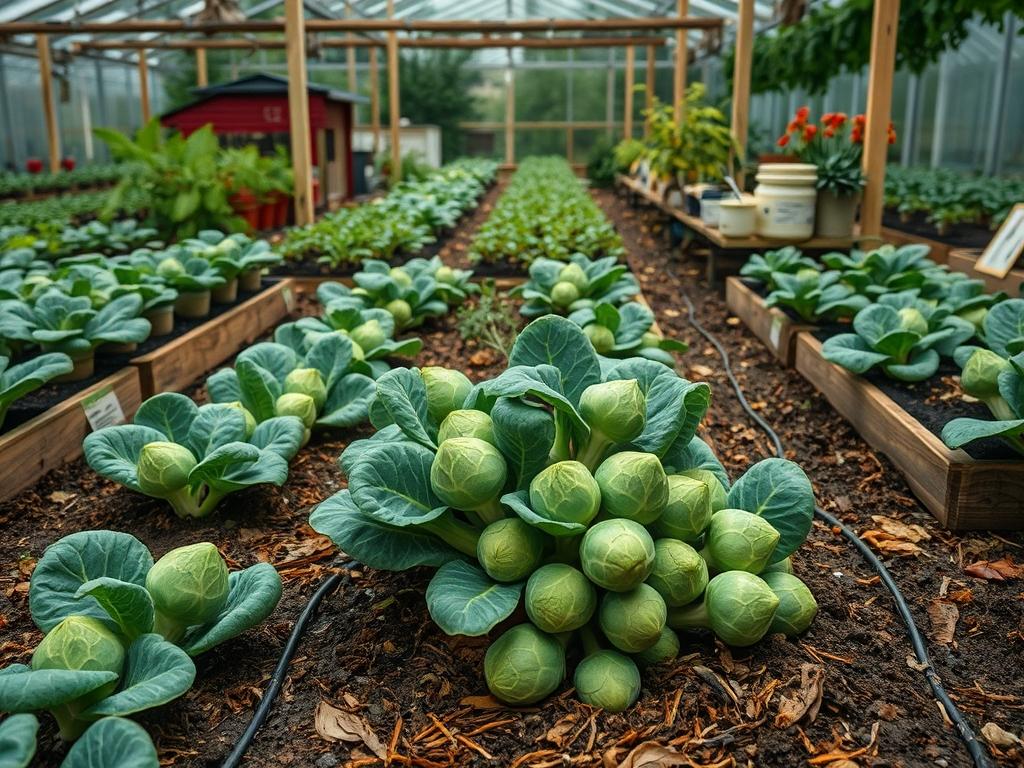
Integrating edible crops into a high-end landscape requires a sophisticated understanding of both horticultural science and spatial aesthetics. Many property owners view productive gardens as messy or utilitarian, yet selecting architectural plants like Brussels Sprouts (Brassica oleracea var. gemmifera) allows a designer to bridge the gap between beauty and utility. These plants grow on thick, central stalks that can reach 36 inches in height, providing a verticality that is rarely found in traditional vegetable patches. When we approach the garden as a series of outdoor rooms, these tall brassicas serve as seasonal pillars that maintain their structural integrity even as the first frost claims more delicate species. The central challenge for any landscape architect is to ensure that these plants remain an asset to the curb appeal rather than a visual detraction. This involves careful planning regarding drainage, irrigation, and the eventual process of Harvesting Brussels Sprouts to ensure the plants look intentional throughout their entire lifecycle.
Successfully blending a production garden into a formal landscape depends on the climate and the specific orientation of the site. In temperate zones, the winter garden can often look barren, but the hardy nature of Brussels Sprouts keeps the landscape feeling occupied and managed during the colder months. Because these plants require a long growing season, often up to 200 days, they must be positioned where they can be appreciated for their blue-green foliage long before the harvest begins. A professional consultant must account for the sun’s lower winter arc, placing these crops in an area that avoids the long shadows cast by fencing or heavy evergreens. Proper planning ensures that the transition from a lush summer environment to a structured winter landscape is seamless and functional.
LANDSCAPE DESIGN PRINCIPLES
In professional garden design, we rely on symmetry and focal points to create a sense of order. When planting Brussels Sprouts, they should be treated as structural elements rather than just food. Aligning them in straight, rhythmic rows within a raised cedar bed provides a formal look that mimics the order of a classic French potager. Using elevation layers is critical; place the taller Brussels Sprouts toward the center or back of a bed, surrounded by lower-profile herbs like Thyme or Rosemary, which can act as a living mulch. This layered approach creates visual depth and ensures that the garden looks full even when individual sprouts are removed.
Irrigation planning is another pillar of sustainable design. Because brassicas are heavy drinkers, a hidden drip irrigation system should be installed beneath a 2-inch layer of organic mulch. This keeps the foliage dry, reducing the risk of fungal diseases, while ensuring the roots receive consistent moisture. Walkways are equally important; using pea gravel or flagstone paths around the beds prevents soil compaction and provides a clean, mud-free surface for the homeowner to access the crop. By emphasizing these hardscaping elements, the act of harvesting becomes an integrated part of the outdoor living experience rather than a muddy chore.
Visual balance is achieved by contrast. The broad, waxy leaves of the sprouts contrast beautifully against the fine texture of decorative grasses or the structured lines of a retaining wall. If the landscape features high-end materials like basalt or limestone, the deep greens of the brassicas provide a natural softness that highlights the stone’s texture. Always consider the silhouette of the plant; as the lower sprouts are harvested from the bottom up, the plant takes on a palm-tree appearance that adds a whimsical yet sophisticated touch to the winter garden.
PLANT AND MATERIAL SELECTION
| Plant Type | Sun Exposure | Soil Needs | Water Demand | Growth Speed | Maintenance |
| :— | :— | :— | :— | :— | :— |
| Brussels Sprouts | Full Sun | Loamy, pH 6.5-7.0 | High / Steady | Slow | Medium |
| Tuscan Kale | Full Sun | Nitrogen-rich | Moderate | Fast | Low |
| Swiss Chard | Sun/Part Shade | Well-drained | Moderate | Medium | Low |
| French Marigolds | Full Sun | General | Low | Fast | Low |
| Rosemary | Full Sun | Sandy/Gravelly | Low | Slow | Low |
Successful material selection extends beyond the plants. For the infrastructure, we recommend stainless steel garden staples to secure irrigation lines and powder-coated steel labels for plant identification. When selecting a mulch, a double-shredded hardwood is preferred for its ability to stay in place on slight elevations while suppressing weeds effectively. Avoiding dyed mulches is essential in an edible environment to prevent chemical leaching into the root zone of your food crops.
IMPLEMENTATION STRATEGY
The first step in a professional backyard layout is proper grading. Before any beds are built or seeds are planted, the site must be surveyed to ensure water flows away from house foundations and toward appropriate drainage outlets. Once the grade is established, define the garden borders using professional-grade edging such as 14-gauge steel or pressure-treated timber. This creates a crisp line between the lawn and the growing area, which is a hallmark of high-end landscape design.
For Brussels Sprouts, the soil must be prepared with a high concentration of organic matter. Use a tine tiller or a broadfork to aerate the soil to a depth of 12 inches without overturning the delicate microbial layers. Incorporate a balanced, slow-release fertilizer at the time of planting to support the long-term nutrient needs of the crop. Space each plant at least 24 inches apart; this might seem excessive in the spring, but by autumn, the canopy will fill the space, creating a dense, lush appearance.
As the plants reach maturity, the strategy for Harvesting Brussels Sprouts involves a technique called “bottom-up” stripping. Start by identifying the sprouts at the base of the stalk, which mature first. Using a sharp garden knife or specialized pruning shears, snip the sprout cleanly from the stem. It is often beneficial to remove the leaf directly below the sprout at the same time. This practice opens up the interior of the plant to better airflow and more sunlight, which encourages the remaining sprouts higher up the stalk to swell and harden. This systematic approach ensures a continuous harvest from late autumn through the first heavy snows.
COMMON LANDSCAPING FAILURES
One of the most frequent mistakes in edible landscaping is poor drainage. While Brussels Sprouts need significant water, they will succumb to root rot if the soil remains saturated. This is why we often recommend a French drain system installed adjacent to the garden beds in areas with heavy clay soil. Another common failure is root overcrowding. When plants are placed too close together to achieve an instant “full” look, they compete for nitrogen and water, resulting in stunted, bitter sprouts that are susceptible to aphid infestations.
Improper spacing also leads to maintenance headaches. If the walkway between rows is too narrow, the large, spreading leaves of the sprouts will obstruct the path, making it difficult to harvest from the bottom up without damaging the plant or the surrounding landscape. Soil compaction is the final major hurdle. It is vital to design the garden so that the homeowner never needs to step inside the planting bed. Use stepping stones or permanent sleepers if the beds are wider than 4 feet. Without these, the pressure of a human footprint can crush the delicate soil structure and hinder the efficient movement of irrigation water through the root zone.
SEASONAL MAINTENANCE
Modern landscape management requires a four-season approach. In the spring, focus on soil preparation and the installation of young transplants. This is the best time to check your irrigation emitters for clogs and to refresh the mulch layers to suppress the first flush of weeds. During the summer, the primary task is moisture management. Ensure the plants receive at least 1.5 inches of water per week, particularly during heatwaves. Monitoring for pests like cabbage worms is crucial during this stage; using a fine mesh netting can protect the aesthetic of the foliage without the use of harsh chemicals.
Autumn is the peak season for the architectural garden. This is when the process of Harvesting Brussels Sprouts begins in earnest. As you work from the bottom of the stalk upward, continue to remove the lower yellowing leaves to keep the garden looking tidy. When winter arrives, many gardeners assume the work is done, but for the Brussels Sprout grower, the season is just starting. A light frost actually improves the flavor of the sprouts by increasing their sugar content. In very cold climates, you can protect the top of the stalks with a frost blanket, though the plants themselves are remarkably resilient. Providing a clean, well-maintained garden through the winter showcases the true skill of the landscape consultant.
PROFESSIONAL LANDSCAPING FAQ
Can Brussels Sprouts be grown in large containers on a patio?
Yes, use a 10-gallon pot per plant to accommodate deep root systems. Ensure the container has excellent drainage and use a high-quality potting mix. Consistent irrigation is vital since pots dry out faster than traditional garden beds.
How do I know when the sprouts are ready to harvest?
Harvest when the buds reach 1 to 1.5 inches in diameter and feel firm to the touch. Start at the bottom of the stalk. If the sprouts are soft or opening up, they are past their peak.
What is the best way to prevent pests without ruining the garden’s look?
Deploy companion planting with Marigolds or Alliums to naturally deter insects. For a clean aesthetic, use high-end row covers supported by hoops made of galvanized steel, which look intentional and organized within the landscape design.
Do I need a retaining wall for an edible garden?
A retaining wall is not strictly necessary but is highly recommended for sloped yards. It provides a level growing surface, improves drainage, and creates a clear architectural boundary that enhances the overall curb appeal of the property.
Why are my Brussels Sprouts not forming tight heads?
This usually results from heat stress or inconsistent watering. If temperatures remain above 80 degrees for extended periods, the plant may struggle. Proper mulch application and a reliable drip irrigation system are the best defenses against this common issue.