
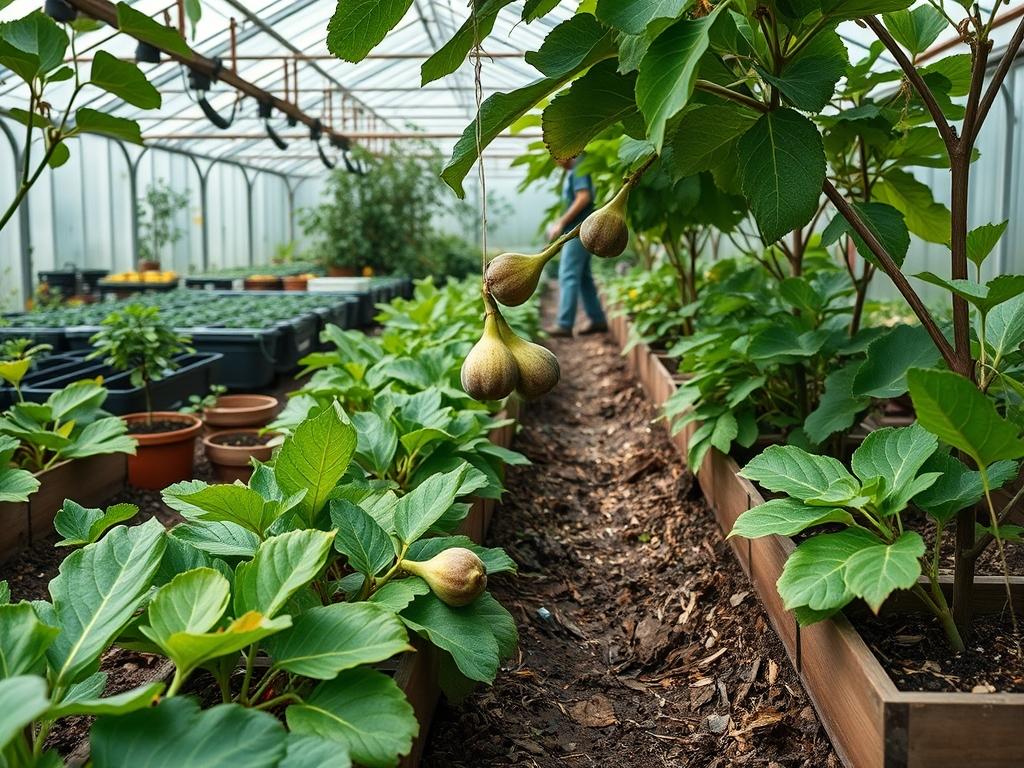
Integrating fruit-bearing trees into a high-end landscape requires a delicate balance between aesthetic architectural form and functional utility. The Ficus carica, or common fig, serves as a premier choice for designers seeking to combine lush, Mediterranean textures with the reward of an edible harvest. However, the success of this installation depends heavily on site orientation and the eventual harvest logistics. Picking garden figs at the perfect ripeness is not merely a culinary concern; it is the culmination of a well-executed landscape plan that accounts for sun exposure, soil health, and accessibility. A tree that is poorly placed or neglected will produce fruit that either rots on the branch or fails to reach its sugar potential. From a consultant’s perspective, the fig tree must be viewed as a focal point that demands specific environmental conditions to perform its role in the outdoor living space.
The architectural challenge of include figs lies in their aggressive growth patterns and the weight of their foliage. When planning the layout, a landscape architect must consider how the tree affects the curb appeal and the long-term integrity of nearby hardscaping. Figs possess invasive root systems that can disrupt Polished Concrete or Natural Stone patios if not managed correctly. Furthermore, the timing of the harvest is critical because overripe fruit can drop and stain expensive Travertine or Slate pavers. By prioritizing the goal of picking garden figs at their peak, a designer ensures the landscape remains clean, functional, and rewarding for the homeowner. This involves calculating the sun’s path to ensure the fruit receives at least 8 hours of direct light, which is essential for the conversion of starches into the sugars that define a perfectly ripe fig.
Landscape Design Principles
In professional garden planning, a fig tree is often utilized as a structural anchor or a mid-level canopy layer. Symmetry is rarely the goal with figs; instead, designers lean toward organic, localized focal points that draw the eye toward a specific corner of the yard. By placing a fig tree against a south-facing Masonry Wall, a designer can create a microclimate that traps heat, accelerating the ripening process. This use of vertical elevation layers allows the large, lobed leaves of the fig to provide a textural contrast against finer-foliage plants like Lavandula or Rosmarinus. Visual balance is achieved by grounding the heavy-headed tree with lower-profile shrubs or ornamental grasses that can withstand the shade cast by the spreading canopy.
Irrigation planning is another pillar of successful fig integration. Traditionally, these trees require deep, infrequent watering to encourage the roots to grow downward rather than laterally. A well-designed landscape will include a dedicated Drip Irrigation zone for the orchard area, ensuring that moisture reaches the root ball without saturating the trunk base. Walkways must be wide enough to allow for easy access during the harvest season. A 3-foot minimum width for paths ensures that the gardener can reach all sides of the tree without stepping into delicate planting beds. Proper spacing from the home’s foundation, typically a distance of 15 feet, prevents the expansive roots from interfering with drainage systems or structural footings.
Plant and Material Selection
Selecting the right cultivar is the most significant decision in the planning phase. Each variety offers different fruit profiles, growth habits, and cold hardiness.
| Plant Type | Sun Exposure | Soil Needs | Water Demand | Growth Speed | Maintenance Level |
| :— | :— | :— | :— | :— | :— |
| Brown Turkey Fig | Full Sun | Well-drained Loam | Moderate | Fast | Medium |
| Celeste (Sugar Fig) | Full Sun | Sandy/Clay Mix | Low to Moderate | Medium | Low |
| Chicago Hardy | Full Sun | Rich Organic | Moderate | Fast | High (Pruning) |
| Mission Fig | Full Sun | Alkaline | Low | Slow to Medium | Medium |
| Tiger Stripe | Partial to Full | Neutral pH | Moderate | Medium | High |
Implementation Strategy
The physical installation of a fig-centric landscape begins with precise site grading. Proper drainage is non-negotiable, as figs are susceptible to root rot in standing water. The area should be graded at a 2 percent slope away from the tree’s base to ensure runoff moves toward designated drainage basins. Once the site is leveled, the planting hole should be dug significantly wider than the root ball, approximately 3 times the diameter, to allow for immediate root expansion into loosened soil. Incorporating organic matter, such as Compost or Aged Manure, into the backfill provides the initial nutrient boost necessary for the tree to establish its canopy.
Edging and mulch play vital roles in the long-term health of the environment. Using a Steel Edger or Stone Border creates a clean separation between the fruit tree’s watering basin and the surrounding turf or groundcover. A 4-inch layer of Arborist Chips or Cedar Mulch should be applied, keeping the material a few inches away from the trunk to prevent fungal issues. This mulch layer regulates soil temperature and retains moisture, which is critical during the heat of late summer when picking garden figs becomes a daily task. Hardscaping, such as a Decomposed Granite path, should be installed last to provide a stable, pervious surface for foot traffic during the harvest.
Common Landscaping Failures
The most frequent mistake in edible landscaping is improper spacing, leading to root overcrowding. When a fig tree is planted too close to other vigorous species, such as Eucalyptus or Oak, the competition for nutrients and water results in stunted fruit production. Soil compaction is another silent killer. Heavy machinery used during construction can compress the soil, preventing oxygen from reaching the roots. If a site has suffered compaction, a contractor must use an Auger or Air Spade to aerate the ground before planting.
Irrigation inefficiencies often lead to the primary reason for a failed harvest. Over-watering during the ripening stage causes figs to split or lose their flavor profile. Conversely, underwatering results in fruit drop before the specimen is ready for picking garden figs. Furthermore, a lack of consideration for drainage can lead to “wet feet,” where the tree’s vigor declines and the fruit becomes watery and tasteless. Finally, many homeowners fail to prune for sunlight penetration. If the center of the tree is a mass of tangled branches, the inner fruit will never ripen, leading to significant waste and a magnet for pests.
Seasonal Maintenance
Seasonal management is the key to ensuring the longevity of the landscape and the quality of the fruit. In the spring, maintenance begins with a heavy application of Balanced Fertilizer and systemic checks for pests like the Fig Fruit Fly. Pruning should focus on removing deadwood and opening the center of the canopy to increase airflow. As summer approaches, the focus shifts to moisture management. It is during this time that the gardener should monitor the fruit daily. Picking garden figs requires patience; the fruit must be soft to the touch and slightly drooping at the neck, indicating that the latex within has converted to sugar.
Autumn is the season for sanitation and preparation. Any fallen fruit must be cleared immediately from the Mulch or Hardscape to prevent the growth of mold and the attraction of rodents. In colder climates, winter protection is required for younger trees. This might involve wrapping the trunk in Burlap or applying an extra thick layer of mulch over the root zone to insulate against deep freezes. By maintaining a strict seasonal schedule, the landscape architect ensures that the fig tree remains a healthy, productive, and visually stunning component of the outdoor environment for decades.
Professional Landscaping FAQ
How can I tell if a fig is truly ripe for picking?
A ripe fig will change color, feel soft when squeezed, and hang down on the stem. If you see a bead of nectar at the base, it is at peak sugar content. Avoid picking firm fruit, as they do not ripen off the tree.
What is the best way to manage aggressive fig roots?
Install a Root Barrier at least 24 inches deep between the tree and nearby structures. This redirecting shield forces roots downward, protecting your footings and pipes from damage while allowing the tree to thrive in its allocated space.
Which soil amendments are best for increasing fruit yield?
Use a mixture of Worm Castings and Potash to encourage fruiting. Avoid high-nitrogen fertilizers during the mid-summer ripening phase, as this promotes excessive leaf growth at the expense of fruit quality and can cause the figs to drop prematurely.
Can fig trees be grown in large containers on a patio?
Yes, use a 20-gallon pot or larger with high-quality Potting Mix. Ensure the container has excellent drainage. Potted figs require more frequent watering and annual pruning of the roots to maintain a size suitable for the landscape design.
How do I prevent birds from stealing the harvest?
Install lightweight Bird Netting over the canopy once the fruit begins to change color. Alternatively, using reflective Mylar Tape can deter pests. Designing the tree to stay under 8 feet through pruning makes managing these protective measures much simpler.