
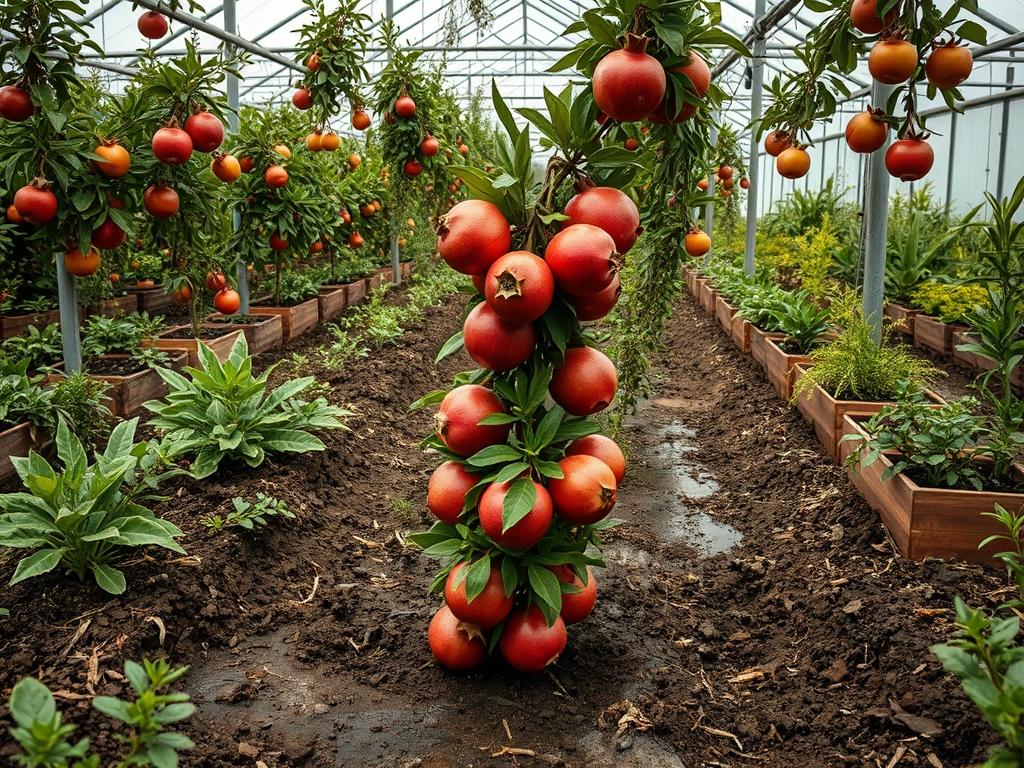
Integrating edible specimens into a sophisticated landscape design serves a dual purpose by providing aesthetic structural beauty and a high-yield agricultural return. When we consider the architectural value of the pomegranate tree, known botanically as Punica granatum, we see a plant that offers glossy deciduous foliage, vibrant orange-red blossoms, and a distinctive fruit silhouette. Achieving success in Harvesting Homegrown Pomegranates requires a holistic approach to the outdoor environment, beginning with site selection and ending with the nuanced observation of the fruit’s physical transformation. A well-planned garden layout ensures that these trees have the necessary sunlight and airflow to develop the deep, saturated pigments that signal peak ripeness. By positioning these trees as focal points within an overall master plan, homeowners can enjoy the intersection of high-end curb appeal and the practical rewards of a drought-tolerant orchard. The challenge for many designers is balancing the wilder, shrub-like growth habit of the pomegranate with the clean lines of a contemporary or Mediterranean landscape.
Successful integration relies heavily on understanding the local microclimate and soil composition. Pomegranates thrive in heat, requiring a long, hot summer to develop the sugars necessary for high-quality fruit. In a professional landscape, the placement of the tree relative to thermal masses, such as Concrete retaining walls or Paver patios, can actually assist in ripening by radiating heat back toward the canopy. Proper Drainage is equally critical; while these trees are famously hardy, stagnant water around the root ball will lead to fungal issues and poor fruit set. As an outdoor environment consultant, I often recommend using pomegranates to define the middle layer of a landscape’s elevation. Their mature height, usually between 10 to 15 feet, allows them to provide privacy without overwhelming the scale of a standard residential backyard. When the season turns and the time for Harvesting Homegrown Pomegranates approaches, the visual shift in the garden is palpable, as the heavy, colorful orbs weigh down the branches, creating a natural hanging ornament effect.
Landscape Design Principles
A professional landscape is defined by its adherence to core principles such as symmetry, focal points, and elevation layers. When planning an area that includes pomegranate trees, we start with the concept of the focal point. Because pomegranates possess a gnarled, sculptural trunk as they age, they serve as excellent specimen trees. Placing a Double-trunk pomegranate at the end of a long Stone walkway creates a visual destination that draws the eye through the garden. To enhance this, we use the principle of symmetry by flanking the path with low-growing Drought-tolerant shrubs. This creates a formal structure that contrasts beautifully with the fruit’s heavy, organic clusters.
Elevation layering is another essential technique. We typically place the pomegranate in the background or middle ground of a planting bed. In front of the tree, we might install a layer of Silver carpet lamb’s ear or Blue fescue to provide a color contrast against the dark green pomegranate leaves. Behind the tree, taller evergreen hedges can provide a neutral green backdrop that makes the bright red fruit pop during the autumn months. Visual balance is maintained by ensuring that the weight of the fruit on one side of the garden is echoed by similar textures or colors on the opposite side. Irrigation planning must be integrated into the design from the start, using Drip emitters to deliver water directly to the root zone, which prevents the foliage from staying wet and reduces the risk of leaf spot.
Plant and Material Selection
Selecting the right cultivars and hardscape materials is the foundation of a low-maintenance, high-output garden. For the best harvesting results, homeowners should select varieties like Wonderful, Angel Red, or Grenada, depending on their specific USDA zone.
| Plant Type | Sun Exposure | Soil Needs | Water Demand | Growth Speed | Maintenance Level |
| :— | :— | :— | :— | :— | :— |
| Punica granatum | Full Sun | Well-drained | Moderate to Low | Medium | Medium |
| English Lavender | Full Sun | Sandy/Gravelly | Low | Fast | Low |
| Rosemary | Full Sun | Poor to Average | Low | Fast | Low |
| Creeping Thyme | Full or Part Sun | Loamy | Low | Medium | Very Low |
| Dwarf Olive | Full Sun | Rocky/Sandy | Low | Slow | Low |
| Autumn Sage | Full Sun | Well-drained | Low | Fast | Low |
For the hardscaping around these plants, we avoid heavy clays or non-porous liners. Instead, we use Landscape fabric topped with 3 inches of organic cedar mulch to regulate soil temperature. Natural flagstone or Decomposed granite for walkways provides a permeable surface that allows water to reach the deeper root systems of established trees.
Implementation Strategy
The implementation of a pomegranate-focused landscape begins with a thorough site analysis and Grading. We must ensure that the land slopes away from the home and any permanent structures at a rate of at least 2 percent. If the soil is naturally heavy in clay, we excavate to a depth of 24 inches and backfill with a mixture of Native soil, Coarse sand, and Organic compost. This creates the aerated environment required for healthy root expansion. Once the grade is established, we install Steel edging to define the borders between the planting beds and the lawn or walkways. This prevents the vigorous root systems of the pomegranate from encroaching on other landscape features.
When the actual planting occurs, the hole should be twice as wide as the root ball but no deeper. Placing the tree too deep can lead to crown rot, a common failure in residential orchards. After the tree is set, we install a Square-pattern drip irrigation system with two 2-gallon-per-hour emitters per tree. Once the structural elements are in place, the application of Mulch is the final step. A thick layer of Bark mulch helps retain moisture during the summer heat, which is vital for fruit development. As the fruit begins to swell in late summer, our focus shifts to monitoring the rind. Identifying the right color for Harvesting Homegrown Pomegranates involves looking for a shift from a bright, shiny green to a deep, matte crimson or a burnished yellow, depending on the variety. The fruit also changes shape, losing its perfect roundness and becoming more angular or hexagonal as the arils inside expand and push against the skin.
Common Landscaping Failures
One of the most frequent errors in garden planning is improper spacing. A young pomegranate in a 5-gallon container looks small, but it will eventually reach a spread of 10 feet. Planting them too close to Foundations or Fences leads to overcrowding and poor air circulation, which invites pests like aphids and whiteflies. Another significant failure is irrigation inconsistency. Pomegranates are drought-tolerant, but they require steady moisture to produce quality fruit. If the soil is allowed to completely dry out and then is suddenly saturated, the fruit will often split open. This ruins the harvest and can lead to secondary fungal infections.
Soil compaction is another silent killer in the landscape. During construction or hardscaping, heavy machinery can compress the soil, destroying the pore spaces that hold oxygen. If you do not aerate the soil before planting, your pomegranate will struggle to establish a deep root system, leading to stunted growth and small, flavorless fruit. Finally, a lack of proper Drainage planning can result in water pooling around the trunk. If your site has a high water table, consider building a Raised planter or a small Berm to elevate the tree above the saturation zone.
Seasonal Maintenance
Seasonal care is what separates a professional landscape from a hobbyist garden. In the Spring, maintenance begins with light pruning to remove any suckers growing from the base of the tree and any dead wood from the previous winter. Use Bypass hand pruners for smaller twigs and Loppers for branches up to 1.5 inches in diameter. This is also the time to apply a balanced Granular fertilizer to support the new growth flush.
During the Summer, the focus is on water management. We use a Moisture meter to ensure the soil remains damp at a depth of 6 inches. This is the critical period for fruit development. If the tree is stressed by heat, it may drop its fruit prematurely. As Autumn arrives, the primary task is Harvesting Homegrown Pomegranates. You should use Garden shears to cut the fruit from the branch; pulling it can damage the delicate spurs that will produce next year’s crop. Once the harvest is complete, clear away any fallen fruit or leaves to prevent overwintering pests. In the Winter, the pomegranate enters dormancy. This is the ideal time for structural pruning and for checking the integrity of your Irrigation lines and Hardscape joints.
Professional Landscaping FAQ
How can I tell the pomegranate is ready to pick?
Look for a change from a round shape to a flattened, hexagonal appearance. The skin color will transition from a high-gloss sheen to a duller, matte finish. Use Shears to harvest, as the fruit does not ripen further once picked.
What is the best way to prevent fruit splitting?
Maintain consistent soil moisture levels throughout the fruiting season. Use 3 inches of mulch to prevent rapid evaporation and ensure your Drip irrigation is on a regular timer. Avoid heavy watering late in the ripening process after a dry spell.
Do pomegranates require a lot of fertilizer?
No, they are relatively light feeders. Apply a balanced 10-10-10 fertilizer once in early spring and again in late spring. Excessive nitrogen can lead to lush leaf growth at the expense of fruit production and may delay the harvest.
Can pomegranates be used as a privacy screen?
Yes, their dense branching habit makes them excellent for informal hedges. Space them 6 to 8 feet apart. While they are deciduous, their intricate branch structure still provides a significant visual barrier during the winter months in most temperate climates.
Do I need two trees for cross-pollination?
Most commercial pomegranate varieties, including Wonderful, are self-fertile. You can achieve a successful harvest with a single specimen tree. However, having multiple trees can increase the overall yield and provide a more cohesive look for your professional landscape design.