
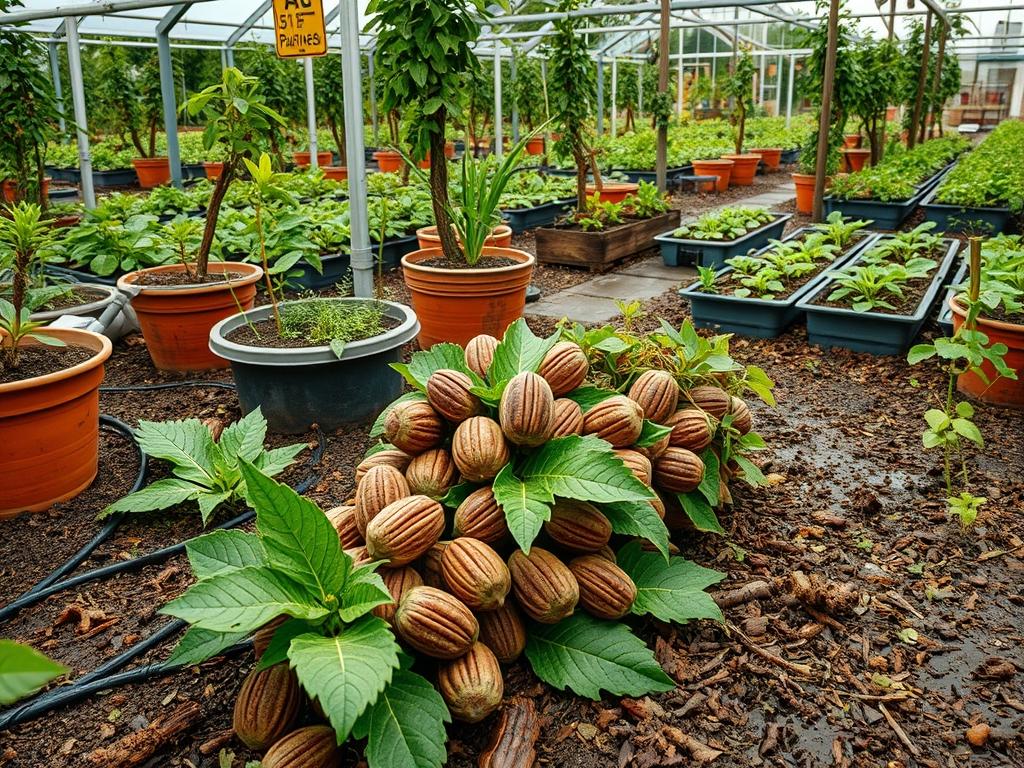
Incorporating majestic nut-bearing trees into a residential landscape offers a unique synthesis of aesthetic grandeur and functional productivity. The pecan tree, or Carya illinoinensis, serves as a structural anchor that can define the character of an entire property for generations. From a design perspective, these giants provide an expansive canopy that cools the home, reduces energy costs, and creates a sense of established permanence that younger, ornamental species simply cannot replicate. However, the successful integration of these trees into an outdoor living environment requires a sophisticated understanding of spatial requirements and site engineering. Harvesting garden pecans is not merely a seasonal chore but the culmination of a year-long management cycle that begins with proper site grading and ends with controlled atmospheric curing. If the landscape is not designed with the harvest in mind, the process can become an arduous task that detracts from the property’s utility. A professional consultant views the pecan tree as a living piece of infrastructure that demands specific drainage patterns and soil chemistry to thrive.
Landscape Design Principles
When planning a landscape that features large-scale nut trees, symmetry and focal points are essential to maintain visual balance. A mature pecan tree can reach heights of 100 feet with a similar spread, meaning it must be treated as a primary elevation layer. In smaller estates, a single tree might serve as a singular focal point, while larger properties can utilize an alley or a distributed grove to create rhythm along a driveway or property line. Designers must account for the substantial shadow profile cast by these trees. Understory plant selection should favor shade-tolerant species that do not compete with the tree’s extensive root system.
Walking paths and hardscaping must be strategically placed to avoid the drip line of the canopy where possible. If a walkway must pass beneath the tree, using permeable materials like crushed granite or decomposed stone is preferable to solid concrete. These materials allow for gas exchange and water infiltration, which are critical for the health of the tree. Furthermore, professional planners must consider the collection zone. The area beneath the canopy should be kept relatively clear of dense, woody shrubs or intricate garden ornaments. A clean, mowed turf or a level mulch bed simplifies the task of harvesting garden pecans by providing a visible surface where fallen nuts can be easily identified and gathered. Irrigation planning is another cornerstone of the design process; pecans are notorious water consumers, requiring localized emitters or bubblers that provide deep saturation rather than frequent, shallow misting.
Plant and Material Selection
| Plant or Material Type | Sun Exposure | Soil Needs | Water Demand | Growth Speed | Maintenance Level |
| :— | :— | :— | :— | :— | :— |
| Carya illinoinensis (Pecan) | Full Sun | Deep, Loamy, Well-drained | High | Moderate | High |
| Zoysia Grass (Understory) | Full to Partial Sun | Sandy to Clay | Moderate | Slow to Moderate | Medium |
| Hardwood Mulch | N/A | N/A | Low | N/A | Low (Annual Replenishment) |
| Crushed Limestone (Walkways) | N/A | N/A | Very Low | N/A | Low |
| Zinc Sulfate Fertilizer | N/A | Specific to pH | N/A | N/A | Seasonal Application |
| Native Sedges | Partial Shade | Moist to Wet | Moderate | Fast | Very Low |
Implementation Strategy
The implementation of a pecan-centric landscape begins with precision grading. Because pecans are susceptible to root rot and fungal pathogens, the site must be engineered to prevent standing water while retaining enough moisture for the tree’s high metabolic needs. A slope of 1 to 2 percent away from the trunk is ideal. Once the grading is established, the installation of a high-capacity drainage system, such as a French drain or a series of catch basins, may be necessary if the soil has a high clay content.
During the layout phase, professionals use marking paint to delineate the mature canopy spread. This helps in placing irrigation lines and avoiding future utility conflicts. Edging is then installed to separate the harvest zone from the more formal garden beds. Using a 4-inch steel edging or a natural stone border keeps mulch contained and prevents grass from encroaching on the tree’s root flare. The ground cover should be established at least one full season before the tree reaches productive maturity. For the harvest area, a 3-inch layer of organic mulch is recommended. This mulch not only regulates soil temperature but also provides a soft landing for falling nuts, preventing shell fractures. If the goal is a turf-based harvest floor, the grass must be kept at a height of 2 inches during the autumn months to ensure the nuts do not become lost in the foliage.
Common Landscaping Failures
One of the most frequent mistakes in residential nut production is improper spacing. Homeowners often underestimate the sheer scale of a mature pecan tree, planting it too close to foundations, power lines, or swimming pools. This leads to structural damage from root heave and excessive debris in filtration systems. Soil compaction is another significant failure point. Heavy machinery used during home construction or frequent vehicle traffic under the canopy can compress the soil, suffocating the roots and drastically reducing the nut yield.
Additionally, many landscapes fail because of irrigation inefficiencies. Pecans require deep watering during the “nut-filling” stage in late summer. If the irrigation system is designed for shallow-rooted turfgrass, the tree will suffer, leading to “pops” or empty shells. Poor air circulation is a final common downfall. If the surrounding landscape is too crowded with tall privacy hedges or dense undergrowth, humidity levels rise, creating a breeding ground for pecan scab. An open, airy design is the best defense against this devastating fungus.
Seasonal Maintenance
Landscape management for the pecan-bearing property is a four-season commitment. In the spring, the focus is on nutrient delivery. Professional arborists recommend a soil test to determine if zinc sulfate or a balanced 10-10-10 fertilizer is required. Pruning should be completed before the first buds break, removing any deadwood or crossing branches to improve light penetration. Summer maintenance revolves around water management and pest monitoring. As temperatures rise, the irrigation schedule must be adjusted to ensure deep soil penetration, especially if rainfall is scarce.
Autumn is the most critical period, as this is when harvesting garden pecans takes place. The process begins when the green husks, or shucks, begin to split and turn brown. Ideally, the landscape should be cleared of fallen sticks and debris before the nuts start to drop. Once the pecans fall, they should be gathered promptly to prevent molding or damage from wildlife. After the harvest, the nuts require curing. This involves placing them in a well-ventilated, dry area, such as a screened porch or a specialized outdoor shed, for two to three weeks. Curing allows the oils to stabilize and the moisture content to drop, which improves the flavor and shelf life. During the winter, the tree enters dormancy. This is the time for structural pruning and applying a fresh layer of mulch to protect the roots from freezing temperatures.
Professional Landscaping FAQ
How do I prepare my yard for harvesting garden pecans?
Mow your turf to a height of two inches and remove all fallen branches. Ensure the soil surface is level. A clean, debris-free area under the canopy prevents lost nuts and makes manual or mechanical collection significantly faster and more efficient.
When is the best time to gather the fallen nuts?
Begin collection as soon as the shucks split and nuts hit the ground. Checking the area every two days is ideal. Leaving pecans on damp soil for extended periods leads to discoloration, molding, and increased predation by squirrels or crows.
Why do my pecans have dark spots or shriveled meats?
This is often caused by pecan scab or inadequate water during the kernel-filling stage in August. Ensure your landscape design includes a dedicated irrigation zone for the tree and maintain proper spacing to allow for therapeutic air circulation through the canopy.
How should I cure pecans after they are harvested?
Place the gathered nuts in shallow, breathable mesh bags or wire baskets. Store them in a cool, dry location with active airflow for two to three weeks. Curing is essential to develop the characteristic flavor and ensure the nuts store properly.
What is the best mulch for a pecan-heavy landscape?
Course hardwood mulch or pine bark is excellent. These materials break down slowly and provide a stable pH. Avoid using cypress mulch if sustainability is a concern, and never pile mulch against the trunk, as this encourages rot and insect infestation.