
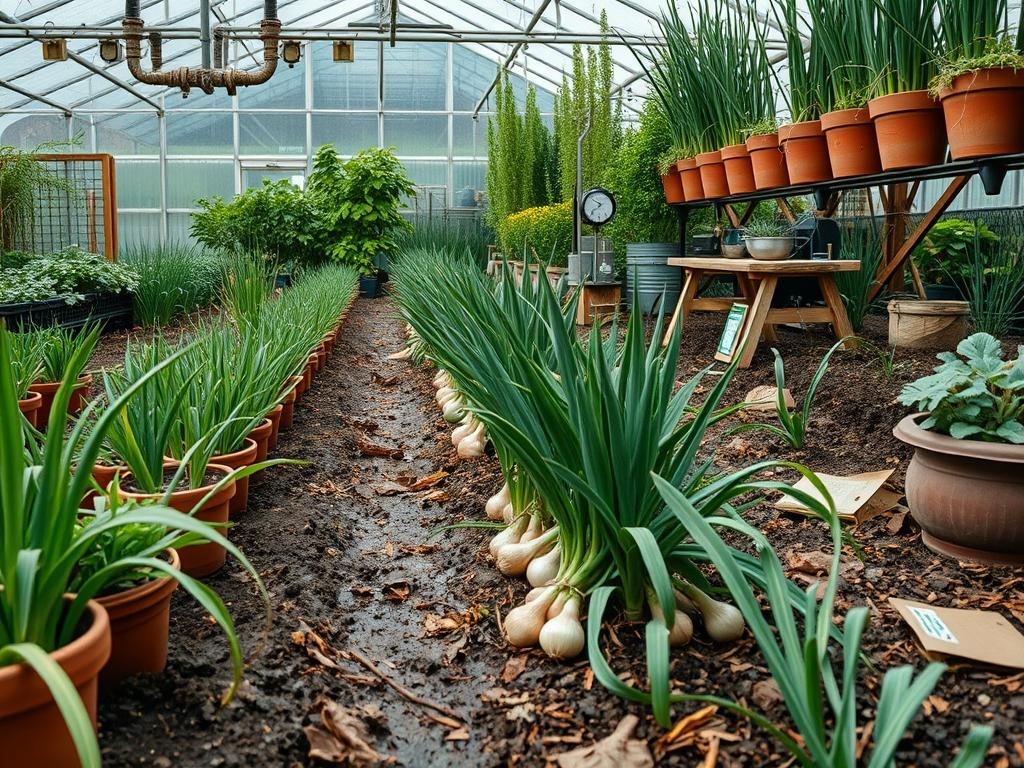
Integration of a high performance vegetable production zone within a sophisticated residential landscape requires more than just fertile soil and a sunny patch of land. It demands a holistic understanding of how functional agricultural output, such as Curing Onions for Winter, interacts with the aesthetic and structural requirements of a modern estate. As a landscape architect, I view the curing process as the final architectural phase of the growing season. It is a period where the harvest transitions from the subterranean world of roots and mineral uptake to an atmospheric state of preservation. This transition cannot happen in a vacuum; it requires a designated environmental niche that is both visually cohesive with the surrounding landscape and technically sound for the physiological needs of the plant. A well executed landscape plan treats the curing area as a programmatic necessity, similar to a terrace or a fire feature, ensuring that the utility of the garden does not detract from the curb appeal of the property.
Designing for winter success starts at the site grading level. When we plan for year-round utility, we must consider how the late summer and early autumn microclimates affect the curing process. Onions require a specific balance of airflow and low humidity to form the protective papery skins necessary for long term storage. In many high end landscapes, this is achieved by designing ventilated structures or shaded patios that double as curing stations. These spaces must be protected from direct sunlight to prevent sunscald while remaining open to prevailing winds. By integrating these needs into the initial design phase, we avoid the clutter of makeshift drying racks and instead provide a streamlined, professional solution that respects the architectural integrity of the outdoor environment.
Landscape Design Principles
A successful vegetable landscape, or potager, relies on the same fundamental design principles as a formal garden. Symmetry is king in the production garden; it provides a sense of order that counteracts the chaotic nature of plant growth. To facilitate the process of Curing Onions for Winter, we often design long, linear raised beds measuring 4 feet by 20 feet. This width allows for easy access from both sides, minimizing soil compaction and ensuring that the onions can be harvested without damaging the delicate root systems of adjacent plantings.
Focal points within the garden, such as a central obelisk or a natural stone fountain, help draw the eye away from the utilitarian aspects of the curing process. Elevation layers are equally important. We recommend varying the heights of planting zones to improve drainage and create visual interest. For onions, a slightly elevated retaining wall built from natural limestone or fieldstone provides the perfect drainage profile. This elevation prevents water from pooling around the bulb during the critical final weeks of the growth cycle. Finally, walkways should be constructed from porous materials like stabilized decomposed granite or pea gravel. These materials reflect less heat than solid concrete, maintaining a cooler microclimate around the curing zones and providing a stable, clean surface for the transportation of the harvest using a garden cart or heavy duty wheelbarrow.
Plant and Material Selection
| Plant Type | Sun Exposure | Soil Needs | Water Demand | Growth Speed | Maintenance Level |
| :— | :— | :— | :— | :— | :— |
| Yellow Storage Onion | Full Sun | High Organic Matter | Moderate | Medium | Moderate |
| Red Wethersfield | Full Sun | Well Drained Loam | Moderate | Slow | High |
| Cipollini Onion | Full Sun | Loose Sandy Loam | Low | Medium | Moderate |
| White Portugal | Partial Sun | Neutral pH Soil | Moderate | Fast | Low |
| Sweet Spanish | Full Sun | Deep Fertile Silt | High | Medium | High |
Implementation Strategy
The implementation of a professional curing landscape begins with the infrastructure. First, evaluate the grading of your backyard or garden area. Proper drainage is the most vital component of winter success. If the site is prone to holding moisture, we install an underground French drain using 4 inch perforated pipe and 1 inch clean gravel to divert excess water away from the onion beds. Once the drainage is secured, we define the beds using 6 inch by 6 inch cedar timbers. Cedar is naturally rot resistant and provides a clean, architectural finish that complements most home exteriors.
After the infrastructure is set, the soil must be prepared. We recommend a blend of 40 percent screened topsoil, 40 percent organic compost, and 20 percent coarse sand. For optimal onion growth, the soil should be loose to a depth of at least 12 inches. When the harvest arrives, the physical layout of the landscape should include a “transition zone.” This is typically a shaded area under a pergola or a wide eave of a garden shed. Here, we set up wire mesh drying racks elevated 3 feet off the ground. By placing these racks in a breezy, shaded corridor of the landscape, we ensure the onions dry evenly. The use of a digital hygrometer can help monitor moisture levels; for perfect curing, you are aiming for a humidity level below 60 percent.
Edging is the final touch of the implementation strategy. Using steel edging or cobblestone borders creates a sharp transition between the garden beds and the manicured lawn. This not only improves the aesthetic but also prevents the encroachment of invasive turf grasses into the onion production area.
Common Landscaping Failures
The most frequent mistake in designing for onion production is poor drainage. Onions are highly susceptible to neck rot if the soil remains saturated during the final weeks of growth. If your landscape plan does not include a swale or an elevation change, the bulbs will absorb too much water, making them impossible to cure effectively for winter. Another common failure is root overcrowding. Professional landscape architects recommend a spacing of at least 4 inches between bulbs. Without this space, the airflow between the plants is restricted, creating a stagnant environment where fungal pathogens thrive.
Soil compaction is another silent killer of garden productivity. Walking directly on the soil of your vegetable beds crushes the delicate pore spaces that hold oxygen. We solve this by implementing permanent stone pavers or stepping stones within the beds to define exactly where the gardener should stand. Irrigation inefficiencies also pose a significant threat. While overhead sprinklers are convenient, they leave moisture on the foliage and necks of the onions, which promotes rot. A professional landscape should prioritize drip irrigation tubing buried under 2 inches of organic mulch or pine straw. This delivers water directly to the root zone while keeping the surface of the plant dry.
Seasonal Maintenance
Landscape management is a year round commitment that shifts with the solar cycle. In the Spring, the focus is on soil preparation and the installation of drip lines. This is the time to check the pH of your soil and add elemental sulfur or lime as needed to reach a target of 6.5 pH. As we move into Summer, the priority shifts to weed suppression and moisture management. We use a scuffle hoe to keep the paths clear and ensure the mulch depth is maintained to cool the soil.
Autumn is the most critical season for Curing Onions for Winter. This is when the harvest is moved to the curing racks. Maintenance during this time involves monitoring the weather for sudden humidity spikes or frost. Once the onions have cured for 3 to 4 weeks and the skins are dry and rustling, they are moved to a permanent winter storage location. In the Winter, the landscape is put to bed. We remove all plant debris to prevent pests from overwintering and apply a thick layer of composted leaf mold to the beds. This protects the soil structure from the erosive forces of winter rain and snow, ensuring the site is ready for the next planting cycle.
Professional Landscaping FAQ
How does airflow affect the curing process in a landscape?
Airflow is the primary driver of moisture removal. Without a constant breeze, moisture remains trapped against the onion neck. A landscape designed with open wind corridors or elevated racks ensures the bulbs dry quickly and prevents the growth of mold.
Can I cure onions in a high humidity coastal climate?
Coastal landscapes require additional infrastructure. We recommend using a covered well ventilated porch or a garden pavilion with fans. Keeping the onions elevated on wire mesh screens is essential to prevent moisture from settling on the bottom of the bulbs.
What is the best mulch for an onion garden?
We recommend weed free straw or shredded hardwood mulch. These materials maintain soil temperature and prevent splashes of mud from hitting the foliage. Apply a layer exactly 2 inches thick to ensure moisture retention without suffocating the developing bulbs.
How do I know when the curing process is complete?
The process is finished when the outer skins are crisp and the neck of the bulb is tight and dry. There should be no visible moisture when you cut the dried roots with a pair of bypass pruners.
Is a retaining wall necessary for vegetable production?
While not mandatory, a retaining wall provides superior control over soil quality and drainage. It also acts as a physical barrier against pests and defines the production zone as a deliberate architectural feature rather than an accidental patch of garden.