
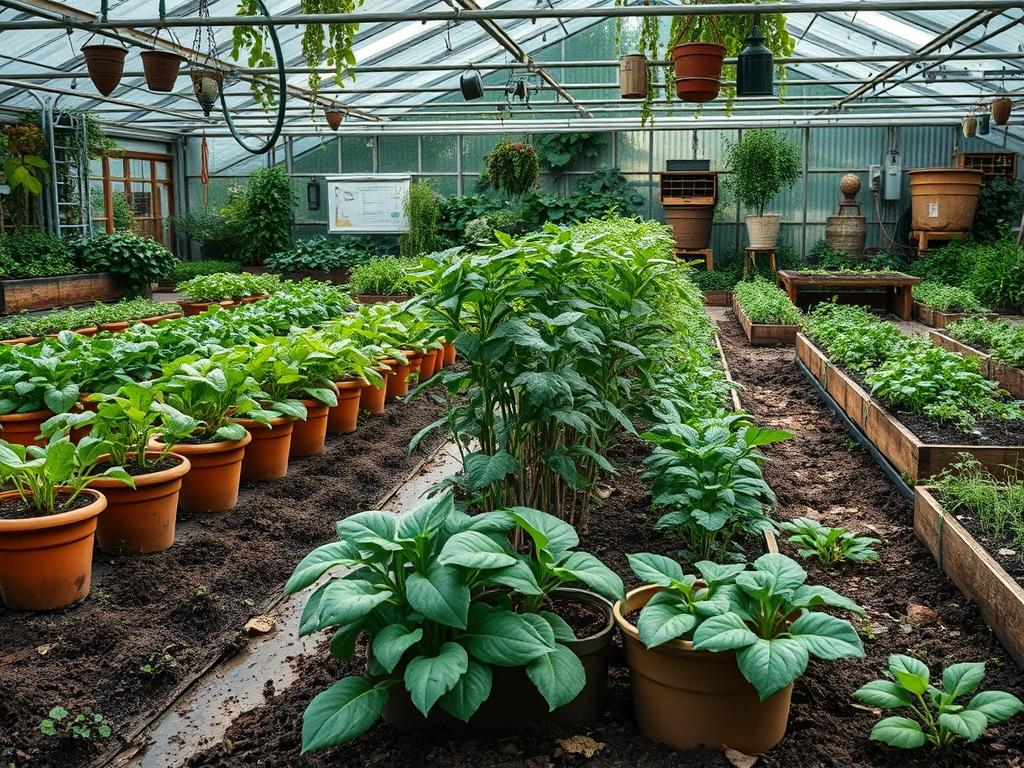
Integrating edible elements into a sophisticated outdoor environment requires a shift from traditional utilitarian gardening toward a holistic landscape architecture approach. Masterful harvesting cut-and-come-again lettuce is not merely a horticultural task; it is a component of a high functioning, edible landscape that serves both aesthetic and culinary purposes. For the modern homeowner, the challenge lies in maintaining the visual integrity of the garden while ensuring a continuous supply of fresh greens. This type of landscape design demands careful consideration of microclimates, as lettuce is highly sensitive to heat and solar exposure. In many temperate regions, integrating these greens into the primary landscape plan enhances curb appeal through varied textures and vibrant chartreuse or deep burgundy hues. When planned correctly, these plantings serve as an ornamental groundcover or a lush border that softens the hard edges of stone walkways and retaining walls.
From a functional standpoint, the placement of these edible beds must prioritize accessibility and drainage. A landscape architect views the vegetable patch as a living tapestry that must remain productive without becoming an eyesore during the harvest cycle. By utilizing the cut and come again method, the gardener maintains the density of the foliage, preventing the “empty patch” syndrome often associated with traditional head lettuce harvesting. This strategy involves shearing the leaves about one inch above the soil line, allowing the crown of the plant to remain intact for subsequent regrowth. This continuous canopy provides a cooling effect on the soil, reducing evaporation and suppressing weed growth, which are vital components of a low-maintenance, high-efficiency outdoor space.
Landscape Design Principles
To achieve a professional aesthetic when harvesting cut-and-come-again lettuce, one must apply core design principles such as symmetry and focal points. Creating a repetitive pattern with different lettuce varieties can lead the eye through the garden, much like a formal parterre. For instance, alternating rows of frilly lollo rossa with smooth bibb types creates a visual rhythm that elevates the space from a simple backyard plot to a curated estate garden. Focal points, such as a central sundial or an architectural birdbath, can be anchored by these lush, low-growing greens to provide a sense of permanence amidst the rotating seasonal crops.
Elevation layers are equally critical in a professional landscape layout. Inset planters or multi-tiered retaining walls allow for easier harvesting and better visibility of the plant health. By elevating the lettuce beds, the designer also improves the ergonomics of the space, making the act of harvesting a comfortable experience rather than a physical chore. Irrigation planning should be invisible yet ubiquitous. Subsurface drip irrigation lines or soaker hoses buried beneath a thin layer of fine-textured mulch ensure that the delicate foliage remains dry, which is essential for preventing fungal diseases and maintaining the crisp texture required for high-quality culinary use. Finally, the inclusion of permanent flagstone or paver walkways around the beds prevents soil compaction, which is a common deterrent to vigorous root development in vegetable landscapes.
Plant and Material Selection
Selecting the right cultivars is the foundation of a successful edible landscape. The following table outlines the technical requirements for common varieties used in luxury garden design.
| Plant Type | Sun Exposure | Soil Needs | Water Demand | Growth Speed | Maintenance Level |
| :— | :— | :— | :— | :— | :— |
| Black Seeded Simpson | Partial to Full Sun | Loamy, pH 6.2 to 6.8 | High | Fast (45 days) | Moderate |
| Red Sails Lettuce | Full Sun to Part Shade | High Organic Matter | Consistent | Medium | Low |
| Oakleaf Varieties | Light Shade Preferred | Well-Drained | Medium | Fast | Moderate |
| Buttercrunch | Partial Sun | Rich Silt | High | Medium | High |
| Arugula (Standard) | Full Sun | Sandy Loam | Moderate | Rapid (21 days) | Low |
Implementation Strategy
The implementation of a cut-and-come-again system begins with rigorous site preparation. First, assess the grading of the area to ensure there is a one to two percent slope away from any structures to prevent standing water. Once the site is graded, the installation of edging materials, such as Cor-Ten steel or pressure-treated cedar, defines the transition between the edible beds and the surrounding lawn or ornamental shrubs. This creates a clean, architectural line that persists even after the lettuce has been harvested.
For the soil profile, a professional installation typically involves a six-inch layer of high-quality topsoil blended with organic compost. This mixture should be tilled to a depth of at least ten inches to promote deep root penetration. When sowing the seeds for a cut-and-come-again harvest, avoid the traditional row method. Instead, use a “broadcast” technique across the designated area to create a dense, carpet-like effect. Once the seedlings reach a height of four inches, the first harvest can commence. Use professional-grade bypass pruners or sharp harvesting shears to ensure a clean cut. A clean cut facilitates faster healing of the plant tissue and reduces the risk of pest infestation. After each harvest, a light application of a water-soluble, nitrogen-rich fertilizer will stimulate the next flush of growth, ensuring the landscape remains lush and green.
Common Landscaping Failures
One of the most frequent failures in managing an edible landscape is poor drainage. Lettuce has a shallow root system that is highly susceptible to “damping off” and root rot if the soil remains saturated. This is often the result of improper grading or the use of heavy clay soils without sufficient amendments. To rectify this, landscape consultants often recommend the installation of a French drain system or the use of raised mounds (berms) to facilitate gravity-led drainage.
Another common mistake is improper spacing and overcrowding. While a dense canopy is desired for the cut-and-come-again style, total lack of airflow creates a humid microclimate that invites aphids and slugs. Professional designs mitigate this by incorporating “buffer zones” of inorganic mulch, like crushed granite or river rock, which provides a barrier against crawling pests and improves air circulation around the base of the plants. Furthermore, inefficient irrigation, such as overhead spraying, should be avoided. Watering the leaves directly in the heat of the day can lead to sun-scorch and increases the likelihood of foliar diseases that can ruin the visual appeal of the entire garden bed.
Seasonal Maintenance
Maintenance requirements for a lettuce-centric landscape shift significantly with the seasons. In the spring, the focus is on soil activation and early planting. This is the time to apply a two-inch layer of hardwood mulch around the perimeter to retain moisture and stabilize soil temperatures. As the transition to summer occurs, “bolting” becomes the primary concern. When lettuce plants are exposed to high heat, they send up a tall flower stalk, which makes the leaves bitter and aesthetically unpleasing. To prevent this, landscape architects often incorporate temporary shade cloths or plant taller annuals, like cosmos or zinnias, on the southern side of the lettuce beds to provide afternoon relief.
During the autumn, the landscape undergoes a second peak. This is an excellent time to replant cool-weather varieties that can withstand light frosts. The colors of red-leafed lettuces tend to intensify with the cooler nights, adding a rich palette to the fall garden. In winter, the maintenance focuses on protection and soil health. If the garden is located in a region with heavy snow, the use of cold frames or low tunnels can extend the harvesting season by several weeks. Between growing cycles, it is essential to perform a soil test to check for nutrient depletion. Adding a layer of well-rotted manure or leaf mold during the dormant season ensures that the soil structure is replenished for the following spring.
Professional Landscaping FAQ
What is the best tool for harvesting cut-and-come-again lettuce?
A pair of high-quality stainless steel harvesting shears or a serrated harvest knife is ideal. These tools provide the necessary clean, sharp cut that allows the plant to regenerate quickly without damaging its delicate vascular system.
How do I integrate lettuce into a formal landscape?
Use lettuce as a vibrant edging material along boxwood hedges or within structured geometric herb gardens. The contrasting textures of the lettuce leaves against the rigid form of the hedges create a sophisticated, layered aesthetic for the yard.
Can edible landscapes increase property value?
Yes, professionally designed edible landscapes are a luxury trend. They offer functional value and sustainable “farm-to-table” appeal. When integrated with high-end materials like natural stone and custom irrigation, they significantly enhance the outdoor living experience and curb appeal.
How often should I harvest to keep the bed looking neat?
To maintain a manicured appearance, harvest the outer leaves every seven to ten days. Regular trimming prevents the plants from becoming “leggy” and encourages a compact, bushy growth habit that looks much more intentional within a professional landscape design.
What mulch should I use for edible borders?
Use a fine-textured, organic mulch such as triple-shredded cedar or pine straw. These materials break down into the soil over time, providing nutrients, while their fine texture complements the delicate scale of the lettuce plants without overwhelming them.