
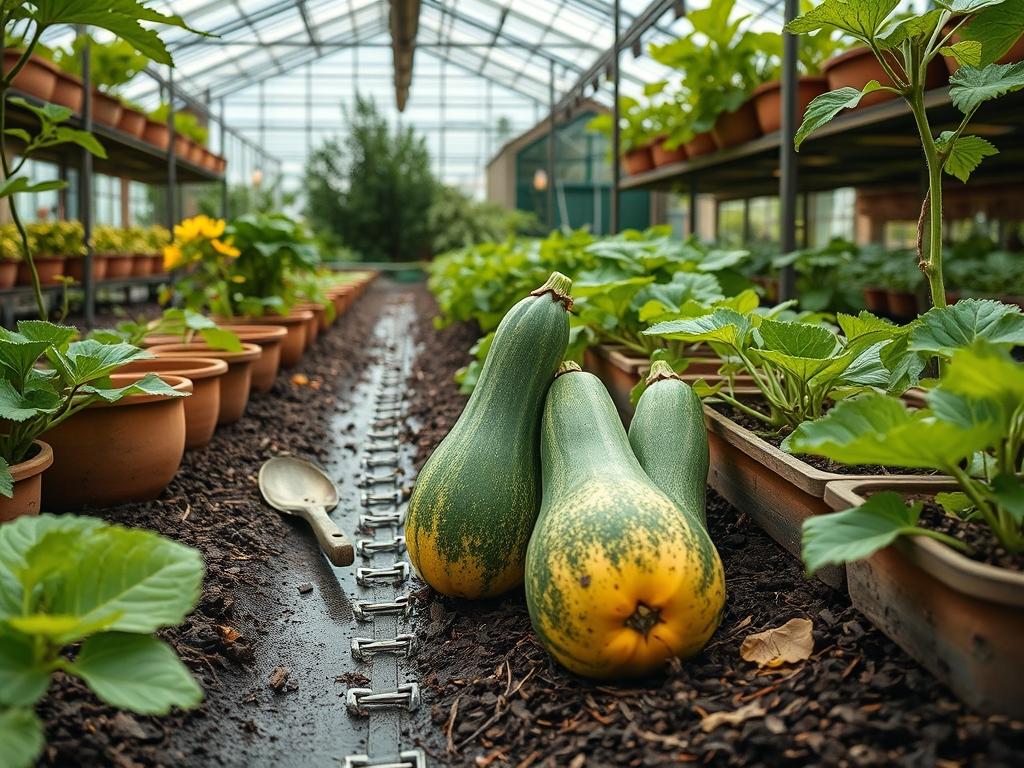
Integrating edible crops into a high-end landscape requires a balance between aesthetic symmetry and biological productivity. When we design luxury outdoor environments, the vegetable garden, or potager, is no longer relegated to a hidden corner of the property. Instead, it serves as a focal point that must maintain its visual integrity from early spring through the first frost. One of the most critical components of maintaining this beauty is the strategic management of high-yield crops. In the case of Cucurbita pepo, more commonly known as summer squash, the timing of the harvest is the primary factor that dictates the long-term health and appearance of the garden. Choosing to prioritize picking summer squash early is not merely a culinary preference; it is a fundamental landscaping strategy. Small, frequently harvested fruits prevent the plants from becoming overly heavy and sprawling, which can disrupt the clean lines of a formal garden layout and lead to a cluttered appearance that detracts from the overall curb appeal of the estate.
The physiological response of the plant to early harvesting is a marvel of botanical engineering. When fruit is allowed to reach its maximum size, the plant shifts its metabolic energy from vegetative growth and flower production toward seed maturation. This hormonal signal tells the plant that its reproductive mission is nearly complete, which leads to a decline in new blossoms and eventually the death of the vine. By removing the fruit when it is only 4 inches or 6 inches in length, the landscape manager keeps the plant in a perpetual state of youthful production. This ensures a constant supply of vibrant yellow or deep green fruit that contrasts beautifully against the large, architectural leaves of the squash plant. Furthermore, smaller fruit is less likely to harbor pests or develop the tough, woody skin that makes older squash unpalatable and unsightly as they begin to decompose on the vine.
Landscape Design Principles
In professional landscape architecture, every element must contribute to the overall structural harmony of the site. When incorporating summer squash into a design, we treat the plants as structural accents rather than simple food sources. We utilize symmetry to frame walkways or stone paths, placing squash plants in a repeating pattern to create a sense of rhythm and order. Because summer squash grows in a mounded, bush-like habit, it provides excellent elevation layers when planted behind lower-growing herbs like creeping thyme or in front of taller architectural elements like climbing roses on a wrought iron trellis.
Focal points are established by selecting varieties with striking colors, such as the bright yellow of Crookneck squash or the pale green of Patty Pan. These can be used to draw the eye toward specific areas of the backyard, such as a custom water feature or a natural stone retaining wall. Irrigation planning is equally vital in these designs. We typically implement a drip irrigation system with emitters placed at the base of each plant to ensure water reaches the root zone without wetting the foliage. This reduces the risk of powdery mildew, which can turn a beautiful green garden into a gray, dusty eyesore in a matter of days. By maintaining a clean, well-irrigated environment and focusing on early harvest, we ensure the landscape remains crisp and professional throughout the high heat of the summer season.
Plant and Material Selection
The following table outlines the specific requirements for common plants used in a high-production edible landscape. These selections are chosen for their visual impact as much as their yield.
| Plant Type | Sun Exposure | Soil Needs | Water Demand | Growth Speed | Maintenance Level |
| :— | :— | :— | :— | :— | :— |
| Zucchini Elite | Full Sun | Sandy Loam | High | Fast | Moderate |
| Yellow Sunburst | Full Sun | Well-Drained | Moderate | Fast | High |
| Common Sage | Full/Partial | Gritty | Low | Moderate | Low |
| French Marigold | Full Sun | Loamy | Moderate | Fast | Low |
| Golden Jubilee | Full Sun | Rich Organic | High | Medium | Moderate |
Implementation Strategy
A successful garden layout begins with precise site preparation. Before the first seeds are ever placed in the ground, we focus on grading and drainage. The site must be leveled to prevent water from pooling around the base of the stems, which is a leading cause of root rot. For raised garden beds, we typically use a blend of 70 percent screened topsoil and 30 percent organic compost to provide the necessary nutrients. We install steel edging or cedar borders to create a clean transition between the garden beds and the surrounding lawn or gravel paths.
When planting, spacing is the most significant factor in maintaining the architectural integrity of the garden. Each squash plant requires a minimum of 3 feet of space to allow for air circulation and easy access for harvesting. Once the plants are established, we apply a 3 inch layer of shredded hardwood mulch or pine straw. This mulch suppresses weeds, retains moisture, and provides a clean surface for the fruit to rest on, preventing the soil staining that often ruins the look of the produce. We use laser levels during the construction of these beds to ensure that all hardscape elements are perfectly aligned, providing a sophisticated backdrop for the lush, green growth of the Cucurbita species.
Common Landscaping Failures
The most frequent mistake in edible landscaping is the failure to manage the fruit size, which leads to a chain reaction of aesthetic and structural issues. When picking summer squash is delayed, the fruit becomes heavy enough to pull the plant stems away from their central root mass. This creates gaps in the foliage and exposes the delicate inner stems to sunscald. Additionally, massive squash fruit often hides under the large leaves, eventually rotting and attracting squash bugs or cucumber beetles. These pests not only damage the edible crops but can migrate to ornamental species in the surrounding landscape.
Soil compaction is another common failure point. In high-traffic landscapes, gardeners often step into the beds to harvest, which compresses the soil and prevents oxygen from reaching the roots. We design flagstone stepping stones within the beds to provide a designated path for maintenance, ensuring the soil remains light and airy. Finally, improper irrigation timing can be disastrous. Watering in the late evening keeps the leaves wet overnight, fostering a breeding ground for fungal diseases. We recommend smart irrigation controllers programmed to deliver water between 4:00 AM and 6:00 AM, giving the foliage time to dry quickly as the sun rises.
Seasonal Maintenance
Landscape management is a year-round commitment that changes with the cycles of the sun. In the spring, the focus is on soil preparation and the installation of slow-release fertilizers with an NPK ratio of 10-10-10. As the weather warms and the squash plants begin to bloom, the maintenance shifts to daily inspections. The peak of summer requires the most diligence; this is when picking summer squash early becomes a daily task. We use stainless steel hand pruners to make clean cuts on the stems, ensuring the plant is not bruised or torn during the process.
As autumn approaches, we transition the garden by removing the spent squash vines and replacing them with cool-season crops or a winter cover crop like clover to protect the soil. This prevents erosion and maintains the nutrient profile for the following year. During the winter months, we focus on hardscape maintenance. We inspect retaining walls for shifting due to freeze-thaw cycles and sharpen all gardening tools. This seasonal rhythm ensures that the outdoor environment remains a high-performance asset for the property owner, providing both a beautiful view and a bountiful, managed harvest.
Professional Landscaping FAQ
How does picking summer squash early improve future yields?
Harvesting small fruit prevents the plant from maturing seeds. This keeps the plant’s hormones focused on producing new flowers rather than finishing its life cycle; resulting in a much longer and more productive harvest season for the gardener.
What is the best tool for harvesting squash without damaging the plant?
Always use sharp bypass pruners or a serrated garden knife. Never pull or twist the fruit from the vine; as this can cause crown damage or uproot the plant, leading to stunted growth or fungal infections in the stem.
Can summer squash be used as an ornamental border plant?
Yes, their large, textured leaves and vibrant yellow flowers make them excellent mid-layer plants. When kept trimmed and harvested early, they maintain a tidy, mounded shape that defines the edges of a garden bed with bold architectural interest.
How do I prevent my squash plants from sprawling over my walkways?
Select “bush” varieties rather than “vining” types. Additionally, regular harvesting of the fruit reduces the weight on the stems; allowing the plant to maintain an upright, compact habit that stays within the designated boundaries of your landscape design.
What is the ideal soil pH for a high-yield edible landscape?
Most summer squash varieties thrive in a soil pH between 6.0 and 6.8. We recommend a professional soil test every two years to adjust the acidity with lime or sulfur, ensuring optimal nutrient uptake for lush, healthy foliage.