
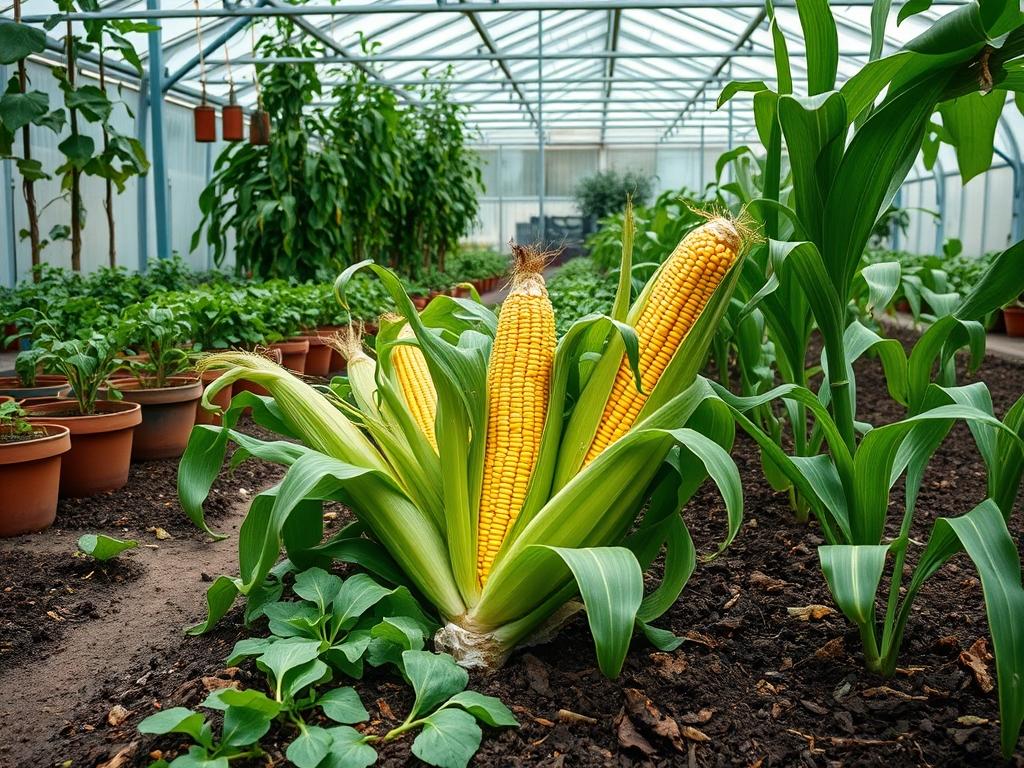
Integrating productive edible zones into a sophisticated residential landscape requires a delicate balance between agricultural utility and aesthetic cohesion. While most homeowners view sweet corn as a rural farm crop, a landscape architect sees it as a temporary living screen, a vertical texture element, and a high-performance nitrogen consumer that requires precise irrigation and site grading. When Harvesting Sweet Corn, the goal is to capture the sugars at their peak concentration, a fleeting window known as the milky stage. Accomplishing this within a master-planned outdoor environment involves managing microclimates, ensuring localized drainage, and maintaining the visual integrity of the surrounding garden beds. A poorly managed corn patch can quickly degrade into an eyesore of desiccated stalks, but a well-integrated block of Zea mays provides a lush, tropical backdrop for mid-summer gatherings before yielding its bounty for the kitchen.
To ensure success, the site must be evaluated for its wind-loading capacity and solar exposure. Corn is wind-pollinated, which dictates a block-style layout rather than long, thin rows that might fit more easily along a property line. For the landscape architect, this means creating a designated utility zone or a “living room” garden where the corn acts as a seasonal partition. The soil must be prepared to a depth of 12 inches to accommodate the crop’s aggressive root system, while the surrounding turf or hardscaping must be protected from the high-nitrogen runoff often associated with intensive vegetable production. By treating the corn patch as a structural element of the landscape, we ensure that the transition from ornamental beauty to functional harvest is seamless and professional.
Landscape Design Principles
In professional garden planning, a corn patch should never be an afterthought. We apply the principle of elevation layers to ensure the tall stalks do not shade out sun-sensitive perennials or low-growing groundcovers. Placing the corn in the northernmost quadrant of the garden prevents it from casting long shadows over the rest of the landscape during the peak growing months of July and August. Symmetry can be achieved by flanking a central walkway with twin blocks of corn, creating a grand, rustling entrance to a secluded seating area or a decorative fountain. This creates a sense of enclosure and privacy that mimics the effect of a traditional hedge but with the added benefit of a seasonal edible reward.
Irrigation planning is perhaps the most critical design factor. Overhead watering is inefficient and can interfere with pollination by washing pollen off the silks. Instead, we implement a subsurface drip irrigation system with emitters spaced every 12 inches. This maintains a consistent moisture profile in the soil without increasing the humidity around the leaves, which can lead to fungal pathogens. By integrating these lines into the main landscaping controller, we can adjust the water delivery based on the local evapotranspiration rate. Furthermore, the use of visual balance ensures that as the corn grows to its full height of 6 to 8 feet, it is anchored by heavy focal points such as large boulders, stone troughs, or structural shrubs like Boxwood or Yew to prevent the landscape from feeling top-heavy.
Plant and Material Selection
Selecting the right hybrid is essential for both flavor and landscape performance. Sh2 (supersweet) and Se (sugar enhanced) varieties are preferred for modern landscapes because they hold their sugar levels longer after Harvesting Sweet Corn, providing a larger window for peak quality.
| Plant Type | Sun Exposure | Soil Needs | Water Demand | Growth Speed | Maintenance Level |
| :— | :— | :— | :— | :— | :— |
| Yellow Sweet Corn | Full Sun | Loamy, pH 6.0-6.8 | High (1-2″ per week) | Rapid (65-90 days) | Moderate |
| White Sweet Corn | Full Sun | High Nitrogen, Well-Drained | High | Rapid | High |
| Bicolor Hybrid | Full Sun | Organic-Rich, Porous | High | Medium-Rapid | Moderate |
| Mulch (Wood Chip) | N/A | Weed Control, Moisture | N/A | N/A | Low |
| Cover Crop (Clover) | Partial to Full | Nitrogen Fixing | Moderate | Fast | Low |
Implementation Strategy
The successful implementation of an edible corn block starts with professional-grade site preparation. Begin by grading the area to ensure a 2 percent slope away from building foundations, as sweet corn requires significant water that must not be allowed to pool. Once the grade is established, install a heavy-duty steel or aluminum edging to define the boundary between the corn block and the surrounding landscape features. This prevents the corn’s opportunistic roots from encroaching into ornamental flower beds or turf areas. Excavate the area to a depth of 8 inches and incorporate high-quality composted organic matter to improve the soil’s cation exchange capacity.
For the planting phase, sow seeds in a grid pattern with 12 inches of spacing between plants in all directions. This tight spacing creates a self-supporting canopy that resists wind damage, a common issue in open landscape designs. Layer a 3-inch thick application of double-ground hardwood mulch over the area to suppress weeds and regulate soil temperature. As the corn approaches the reproductive phase, monitor the silks daily. The process of Harvesting Sweet Corn at the milky stage begins when the silks turn a dark, chocolate brown and become slightly brittle to the touch. To confirm readiness, use your fingernail to puncture a single kernel near the tip of the ear. If the liquid that emerges is clear, the ear is immature. If it is thick and opaque (the milky stage), the ear is at its peak flavor profile. If the liquid is pasty or dry, the sugars have already begun converting to starch, and the window has closed.
Common Landscaping Failures
The most common failure in integrated edible landscaping is poor drainage management. Corn requires consistent moisture, but saturated soils lead to root rot and anaerobic conditions that kill the beneficial microbes necessary for nutrient uptake. Another frequent mistake is improper spacing. If the stalks are too far apart, wind pollination fails, resulting in ears with missing kernels (poor tip fill). Conversely, overcrowding leads to spindly stalks that collapse under their own weight during summer thunderstorms. Landscape architects must also account for soil compaction. Heavy foot traffic around the corn block during the maintenance phase can crush the soil structure, preventing oxygen from reaching the roots and slowing the growth of the crop.
Irrigation inefficiencies often occur when homeowners try to use the same spray heads for both the lawn and the corn. Because the corn grows so tall, it eventually blocks the spray pattern, leaving the plants behind its “shadow” parched while over-saturating the corn itself. This necessitates a dedicated zone on the irrigation clock specifically for the edible garden. Finally, failing to account for the nutrient demands of sweet corn can lead to nitrogen leaching, which can affect the health of neighboring ornamental plants. A professional approach involves using slow-release fertilizers or fertigation systems that deliver nutrients directly to the root zone through the drip lines.
Seasonal Maintenance
Landscape management for a corn-inclusive property follows a strict seasonal rhythm. In the spring, the focus is on soil warming and bed preparation. We often use black plastic or landscape fabric to raise the soil temperature to at least 60 degrees Fahrenheit before planting. This ensures rapid germination and a head start on the growing season. As we move into summer, the priority shifts to moisture management and monitoring for the milky stage harvest. This is the period of highest aesthetic value, where the corn provides a lush green screen for the outdoor environment.
In autumn, once the process of Harvesting Sweet Corn is complete, the stalks should be cut at the base rather than pulled to avoid disturbing the soil structure. These stalks can be used as seasonal decor or shredded into the compost pile. The soil should then be planted with a cover crop, such as Winter Rye or Crimson Clover, to prevent erosion and replenish nitrogen. During the winter months, the landscape architect reviews the performance of the previous season, checking for any irrigation repairs or hardscape shifts caused by the moisture levels required by the corn. This cyclical approach ensures the garden remains both productive and beautiful year after year.
Professional Landscaping FAQ
How do I know the milky stage has arrived?
The silks will be dark brown and the kernels, when squeezed, will release a milky, opaque liquid. This usually occurs about 18 to 24 days after the first silks appear on the ears.
Can I grow corn in a small urban landscape?
Yes, but you must plant in a block of at least four rows by four rows to ensure proper pollination. This configuration fits well into corner nooks or raised planters built with Cedar or Stone.
What is the best mulch for a corn garden?
Use a 3-inch layer of organic mulch like shredded bark or straw. This regulates the soil temperature and prevents the heavy irrigation required for corn from eroding the structured beds in your landscape.
How do I prevent my corn from falling over?
Ensure a planting depth of 2 inches and use a grid spacing of 12 inches. This allows the roots to anchor firmly and the stalks to support each other against the lateral force of the wind.
Will corn ruin my ornamental soil quality?
Corn is a heavy feeder, particularly of nitrogen. To protect your landscape, rotate the crop location annually and use a high-quality 10-10-10 fertilizer to replenish the nutrients extracted during the vigorous summer growing season.