
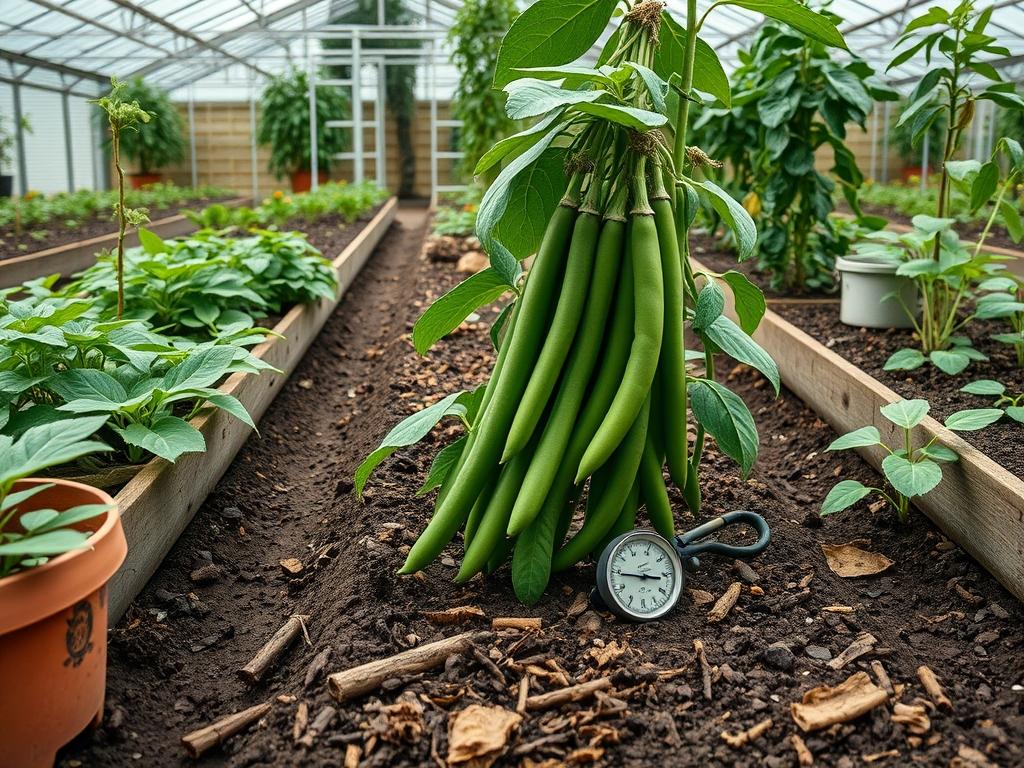
Integrating edible crops into a sophisticated landscape design requires a move beyond traditional row gardening toward a functional and aesthetic outdoor environment. Snapping Green Beans offer a unique opportunity for landscape architects to introduce vertical interest and lush, textured foliage into residential projects. The challenge lies in balancing the high productivity of these legumes with the visual standards of high-end curb appeal. Most homeowners desire a garden that provides utility without sacrificing the structural integrity of their outdoor living space. By viewing the bean patch as a managed architectural element rather than a messy agricultural site, we can achieve a continuous harvest that enhances, rather than detracts from, the overall site vision. Successful integration depends heavily on drainage management, the selection of durable support materials, and a deep understanding of the site microclimates.
When planning for Snapping Green Beans, the primary environmental consideration involves sun exposure and airflow. These plants are susceptible to fungal issues if the landscape does not account for modern irrigation techniques and spatial hierarchy. A successful design ensures that the vegetable components are accessible for regular maintenance while remaining tucked into the broader ornamental scheme. This requires a professional eye to manage the transition from hardscaped areas, such as patios and walkways, to the softer, more productive zones of the property. Utilizing Trellises or Obelisks as focal points allows the bean vines to climb, drawing the eye upward and maximizing the use of limited horizontal square footage.
Landscape Design Principles
Applying professional design principles to an edible landscape ensures the project remains cohesive throughout the growing season. Symmetry plays a vital role in formal garden layouts. Placing identical Cedar Arbors at the entrance of a kitchen garden, each draped in Pole Beans, creates a sense of arrival and purpose. These structures serve as permanent focal points that remain even after the growing season concludes. By establishing a clear spatial hierarchy, the landscape architect ensures that the “harvesting zone” does not dominate the more relaxed seating areas.
Elevation layers are equally important for both aesthetic depth and practical accessibility. Utilizing Raised Beds at a height of 18 inches to 24 inches provides a clean edge to the landscape and prevents soil compaction from foot traffic. These raised structures can be constructed from high-quality materials such as Stone Masonry or Hardwood, ensuring they match existing site features like Retaining Walls. Incorporating Drip Irrigation systems within these beds ensures that water is delivered directly to the root zone, reducing leaf moisture and the risk of disease. Furthermore, the use of Flagstone Walkways between planting zones provides a stable, mud-free surface for the homeowner to move through the space while performing their daily snapping duties.
Plant and Material Selection
Selecting the right cultivars and hardscaping materials is the foundation of a low-maintenance, high-yield environment. The following table outlines the requirements for typical bean varieties and the materials necessary for their support.
| Plant or Material Type | Sun Exposure | Soil Needs | Water Demand | Growth Speed | Maintenance Level |
| :— | :— | :— | :— | :— | :— |
| Pole Beans | Full Sun | Loamy, Well-Drained | Moderate | Fast | Moderate |
| Bush Beans | Full Sun | Rich in Organic Matter | Moderate | Medium | Low |
| Yellow Wax Beans | Full Sun | Neutral pH (6.0-7.0) | Moderate | Medium | Moderate |
| French Filet Beans | Full Sun | Nitrogen-Rich | High | Fast | High |
| Cedar Trellis | N/A | Treated Footings | N/A | N/A | Low |
| Powder-Coated Steel | N/A | Anchor Bolts | N/A | N/A | Very Low |
Implementation Strategy
The transition from a design concept to a thriving backyard environment begins with site preparation and grading. It is essential to ensure that the area intended for Snapping Green Beans has proper subsurface drainage. If the site contains heavy clay soil, a French Drain or a layer of Coarse Gravel should be installed beneath the planting beds to prevent waterlogging. Once the drainage is secured, installers should focus on the framing of the garden. Steel Edging or Banded Stone provides a crisp line between the lawn and the vegetable beds, preventing grass encroachment and maintaining the landscape formal character.
The installation of vertical supports must be done with structural integrity in mind. For Pole Beans, use 4×4 Cedar Posts sunk 2 feet into the ground to withstand the weight of the vines and wind resistance. Within the beds, a 3 inch layer of Organic Mulch, such as Arborist Wood Chips or Wheat Straw, should be applied to regulate soil temperature and suppress weeds. The irrigation layout should involve 1/2 inch Poly Tubing with 0.5 GPH Emitters spaced every 12 inches. This configuration ensures that every plant receives consistent moisture, which is the secret to producing the crisp, snap-ready pods desired by culinary enthusiasts.
Common Landscaping Failures
One of the most frequent errors in integrating vegetable crops is root overcrowding and improper spacing. When Snapping Green Beans are planted too densely, it restricts airflow and creates a humid microclimate where powdery mildew thrives. Professionals must specify a spacing of at least 3 inches for seeds and 6 inches for established transplants. Another common failure is the use of inadequate structural supports. Many retail tomato cages are too flimsy for the heavy biomass of a mature bean vine, leading to collapsed plants that ruin the visual appeal of the garden.
Irrigation inefficiencies often lead to the “washout” of nutrients. Over-watering in poorly graded areas results in nitrogen leaching, which turns bean leaves yellow and stunts pod development. Soil compaction is a further concern; if the landscape design does not include dedicated Walkways, the weight of the gardener will eventually crush the soil structure, making it difficult for roots to penetrate and access oxygen. Finally, failing to plan for the “end of life” cycle of the plants can leave a landscape looking barren in late autumn. This should be mitigated by interspersing beans with Native Perennials or Evergreen Shrubs that provide structure throughout the winter.
Seasonal Maintenance
To maintain a continuous harvest of Snapping Green Beans, a strict seasonal schedule must be followed. In the Spring, focus on soil enrichment and structural inspections. Integrating Compost into the top 4 inches of soil replenishes the nutrients used in previous seasons. Once the soil temperature reaches 60 degrees Fahrenheit, the first succession of seeds can be planted.
During the Summer, the primary task is the harvest itself. Regular “snapping” of mature pods, ideally every 2 to 3 days, signals the plant to continue producing flowers rather than focusing on seed maturation. This is also the peak time for pest monitoring, particularly for aphids or bean beetles.
As Autumn approaches, it is time to transition the landscape. For Pole Beans, the spent vines should be removed to prevent disease carryover, though the roots can be left in the ground to release nitrogen. In Winter, the focus shifts to hardscape maintenance. Apply a fresh coat of Stain to wooden trellises and check the integrity of Drip Lines. Planting a cover crop like Winter Rye in the vegetable beds protects the soil from erosion and prepares the site for the next spring cycle.
Professional Landscaping FAQ
How do I ensure my beans have a continuous harvest?
Practice succession planting by sowing new seeds every 14 days. This ensures that as one group of plants finishes its production cycle, the next group is reaching maturity, providing a steady supply of crisp pods for months.
What is the best way to support vertical bean growth?
High-quality T-posts wrapped in Cattle Paneling or custom-built Cedar Trellises provide the best support. Ensure the structures are at least 6 feet tall to accommodate the aggressive climbing habits of most pole-style bean varieties.
Does mulch really help with bean production?
Yes, a consistent layer of Organic Mulch maintains soil moisture and prevents soil-borne pathogens from splashing onto the leaves during rain. This significantly reduces maintenance needs and keeps the harvest clean for the kitchen.
Can I grow beans in a small urban patio?
Absolutely. Use Large Planters with a minimum depth of 12 inches. Install a compact Obelisk for height and choose Bush Beans if vertical space is limited, as they maintain a rounded, tidy form.
Why are my bean flowers falling off without producing pods?
This usually occurs due to extreme heat or inconsistent watering. Ensure your Drip Irrigation is set to deliver water during the early morning hours, and consider using Shade Cloth if temperatures consistently exceed 90 degrees Fahrenheit.