
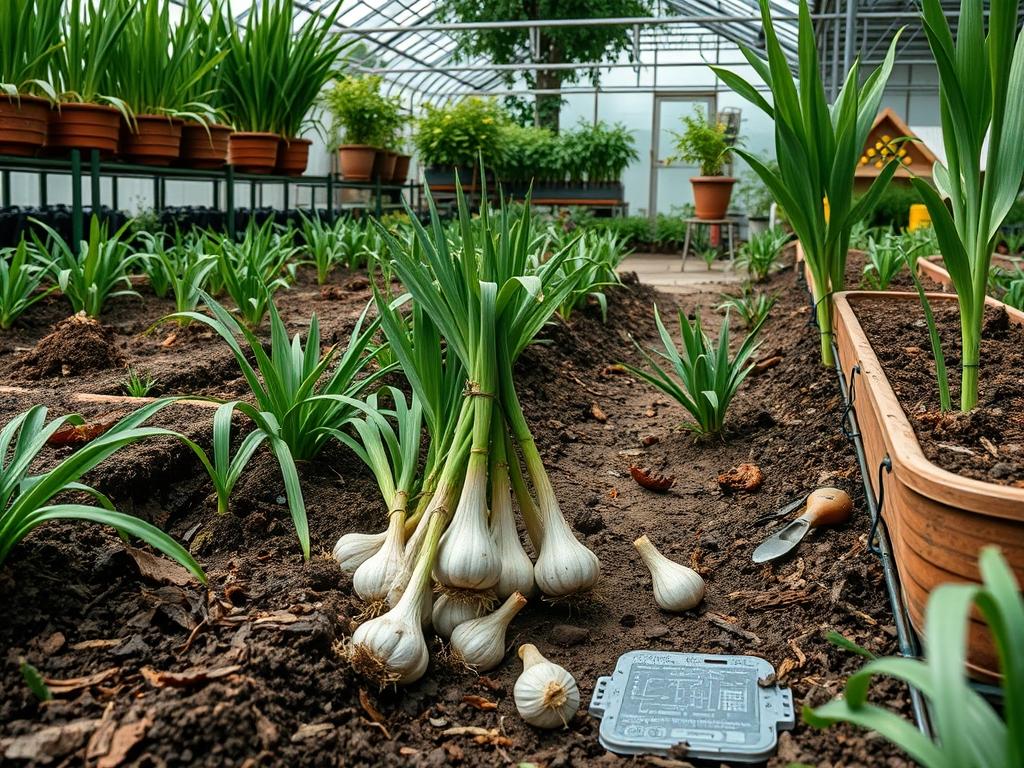
Integrating edible crops into a sophisticated high end landscape requires a delicate balance between aesthetic form and functional yield. When we approach the design of a kitchen garden or a potager, we must view the life cycle of the plant as part of the broader site architecture. One of the most critical phases in this cycle is determining the precise window for Harvesting Garlic Bulbs. This process is not merely a chore for the gardener; it is a strategic logistical milestone that influences the transition of planting beds from summer production to autumn aesthetics. If the timing is off, the structural integrity of the crop fails, leading to split skins and reduced shelf life, which can ultimately disrupt the visual order of the garden landscape. Proper planning ensures that the site remains productive and beautiful, maintaining the curb appeal that homeowners expect from a professionally managed outdoor environment.
A successful landscape architect views the vegetable plot through the lens of spatial continuity. Garlic, specifically species like Allium sativum, offers unique verticality and texture that can complement ornamental grasses or structured boxwood hedges. However, unlike perennial shrubs, garlic has a definite expiration date in the ground. Recognizing the signs of maturity involves more than just a passing glance at the calendar. It requires an understanding of how soil temperature, drainage patterns, and atmospheric moisture interact within the microclimate of the property. When the lower leaves begin to turn a parchment yellow while the top few leaves remain vibrant green, the landscape has reached a pivotal moment. This visual cue signals that the energy has successfully transitioned from the foliage into the bulb, marking the optimal period for extraction.
Landscape Design Principles
In the realm of professional landscape design, gardens featuring garlic must adhere to the same principles as ornamental beds. Symmetry and linear logic are often employed to create a sense of order. By planting garlic in perfectly spaced rows with 6 inches of separation, we create a rhythmic pattern that guides the eye across the landscape. These rows should be oriented to maximize solar exposure while aligning with the primary axes of the home or hardscape features. Using low voltage LED path lights to frame these beds can highlight the architectural verticality of the garlic stalks during the spring months, turning a utility crop into a nighttime focal point.
Elevation plays a vital role in both the aesthetics and health of the crop. We frequently design raised masonry planters or timber garden beds at a height of 18 inches to provide superior ergonomics and improved soil drainage. These elevated structures protect the bulbs from the compaction issues often found in heavy foot traffic areas. Furthermore, the use of formal gravel walkways around the garlic beds ensures that the harvest process does not disturb the surrounding horticultural layers. By defining the edges with steel edging or cobblestone borders, we maintain a clean separation between the wilder growth of the vegetables and the manicured appearance of the lawn or patio.
Irrigation must be planned with surgical precision. For garlic, we typically install subsurface drip irrigation lines to deliver water directly to the root zone without wetting the foliage, which reduces the risk of fungal pathogens. As the harvest window approaches, the irrigation schedule must be modified. We recommend tapering off water two weeks before the anticipated pull date. This allows the soil to dry slightly, which makes the extraction cleaner and helps the outer skins of the bulbs to cure properly while still in the earth. This level of control is what separates a professional landscape installation from a standard backyard garden.
Plant and Material Selection
Selecting the right variety is essential for aligning the harvest schedule with your overall landscape maintenance plan. The following table outlines the requirements for common selections in modern edible landscapes.
| Plant Type | Sun Exposure | Soil Needs | Water Demand | Growth Speed | Maintenance Level |
| :— | :— | :— | :— | :— | :— |
| Hardneck Garlic | Full Sun | Sandy Loam | Moderate | Slow (9 months) | Medium |
| Softneck Garlic | Full Sun | Rich Organic | Moderate | Moderate | Low |
| Elephant Garlic | Full Sun | Well-Drained | Low to Medium | Slow | Medium |
| Organic Straw | N/A | Weed Suppressant | N/A | N/A | Low |
| Compost Tea | N/A | Nutrient Boost | High | N/A | Periodic |
Implementation Strategy
The successful execution of a garlic harvest begins long before the first shovel hits the ground. It starts with the grading and preparation of the site. The landscape should be graded to a 2 percent slope away from the beds to ensure that heavy rains do not lead to standing water, which is the primary cause of bulb rot. During the initial planting phase in the autumn, we incorporate 3 inches of aged organic compost into the top 8 inches of soil to provide the necessary nutrients for winter dormancy and spring growth.
Once the plants have reached maturity in mid summer, the implementation of the harvest must be handled with care to preserve the soil structure and the bulbs’ protective layers. Rather than pulling the stalks by hand, which can snap the necks and lead to spoilage, use a narrow garden fork or a hand trowel. Insert the tool 4 inches away from the base of the plant and gently pry upward to loosen the soil. This technique maintains the integrity of the root mass and ensures the bulb emerges intact. After extraction, the garlic should be moved to a shaded, well ventilated area for curing, such as a covered porch or a ventilated garden shed. Avoid leaving the bulbs in direct sunlight, as the heat can literally cook the tender cloves inside the skins.
Common Landscaping Failures
The most frequent mistake in managing garlic within a high end landscape is poor drainage. If the site has heavy clay soil and lacks a proper French drain or swale system, the garlic bulbs will likely succumb to rot before they reach maturity. This not only ruins the harvest but leaves unsightly gaps in the garden beds that compromise the overall aesthetic. Another common failure is neglecting the impact of root overcrowding. When bulbs are planted too close together, they compete for nutrients and water, resulting in stunted growth and a lack of visual impact. We mandate a minimum of 6 inches between plants to ensure each bulb has the spatial resources it needs to thrive.
Improper mulching is another area where many projects go wrong. While Organic Mulch is necessary for temperature regulation during the winter, applying it too thickly in the spring can trap excessive moisture against the stems. This leads to bottom rot and attracts pests like onion maggots. Conversely, failing to mulch at all can lead to soil compaction from heavy rains, making it difficult for the bulbs to expand. A balanced application of 2 inches of shredded bark or clean straw is generally the professional standard for maintaining soil health without compromising the plant’s structural integrity.
Seasonal Maintenance
Landscape management is a year round commitment that requires adjusting strategies as the seasons shift. In the spring, the focus should be on weed suppression and moisture management. As the weather warms, apply a balanced liquid fertilizer twice, three weeks apart, to support the rapid foliage growth that occurs before the bulb starts to swell. Monitoring for scapes, the curly flower stalks produced by Hardneck Garlic, is also vital during this period. These should be removed to redirect energy back into the bulb, though they can be harvested and used as a gourmet culinary feature, adding value to the edible landscape.
Summer is the season of vigilance. As the harvest draws near, the landscape team must monitor the drying leaves closely. Once the bulbs are out of the ground, the beds should be immediately replenished with a light layer of compost and replanted with a summer cover crop or ornamental annuals to prevent soil erosion and maintain visual interest. Autumn is the time for planning the next cycle. Soil testing should be performed to check pH levels, aiming for a range between 6.0 and 7.0. Planting new cloves in late October or November ensures they have time to establish roots before the ground freezes. In winter, the primary task is protection, ensuring that the 3 inch mulch layer remains intact to insulate the bulbs against the freeze thaw cycles that can thrust them out of the ground.
Professional Landscaping FAQ
How can I tell if the garlic is ready without digging?
Observe the foliage carefully. When the bottom two or three leaves turn brown and the upper leaves remain green, it is time. This usually occurs in mid July for most temperate climate zones.
What tools are best for a clean harvest?
Always use a garden fork or spade to loosen the earth from below. Never pull by the stem, as this can damage the garlic neck and cause the bulb to rot during the curing process.
Does irrigation affect the harvest timing?
Yes. You must stop all irrigation approximately 14 days prior to the harvest. Dry soil allows the outer bulb wrappers to dry and toughen, which is essential for long term storage and aesthetic quality.
Can I plant garlic in the same spot every year?
No. To maintain soil health and prevent disease, we recommend a three year rotation. Moving the crop around the landscape prevents the buildup of soil borne pathogens and ensures nutrient stability in the garden beds.
What should I do with the empty space after harvesting?
Immediately fill the void with fast growing annuals or a nitrogen-fixing cover crop. This maintains the visual density of your landscape design and protects the soil from nutrient depletion and sun scorching during late summer.