
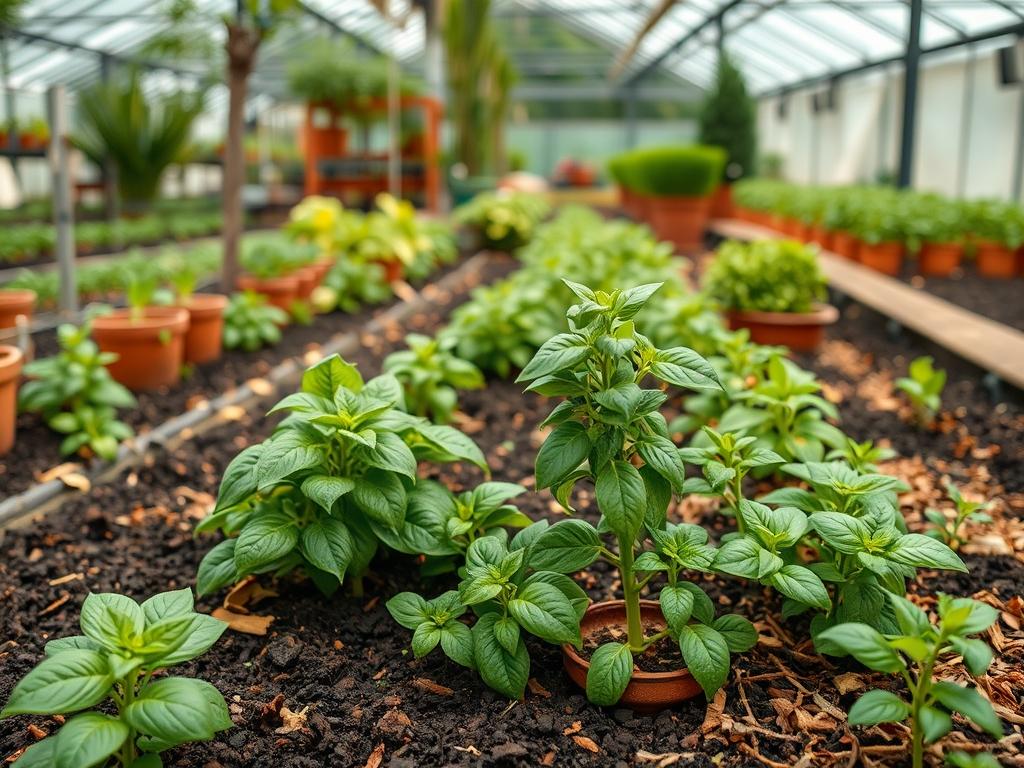
Integrating culinary herbs into a professional landscape design requires a nuanced understanding of both aesthetic balance and functional accessibility. While many homeowners relegate herbs to small containers on a windowsill, a sophisticated outdoor environment treats Ocimum basilicum as a structural element that enhances curb appeal and maximizes yard utility. The challenge for a landscape architect lies in positioned these plants where they receive optimal solar radiation while remaining integrated into the broader garden geometry. Successfully harvesting fresh basil is not merely a kitchen task; it is a vital maintenance practice that prevents leggy growth and maintains the dense, lush foliage required for high end visual appeal. When basil is left to bloom without intervention, the plant redirects its metabolic energy toward seed production, leading to a woody stem structure and a decline in leaf quality.
In most temperate and subtropical climates, basil thrives as a heat loving annual that demands precise drainage and strategic placement. From a site planning perspective, this means identifying microclimates within the property that offer at least 6 hours of direct sunlight. Because basil is highly sensitive to frost, its placement relative to thermal masses like retaining walls or stone pavers can extend the growing season by several weeks. These hardscape elements absorb heat during the day and radiate it back toward the root zones during cooler nights. Furthermore, the fragrance of the leaves provides a sensory layer to the landscape design, making it an ideal choice for planting near outdoor kitchens, patios, or walking paths where foot traffic will naturally release its aromatic oils.
Landscape Design Principles
A professional garden layout relies on the core principles of symmetry, elevation, and focal points to create a cohesive environment. When incorporating basil, the designer must consider the plant’s mature height and spread, which typically ranges from 12 inches to 24 inches. To maintain visual balance, use basil as a mid level filler within a tiered planting bed. This allows taller perennials or evergreen shrubs to provide a backdrop, while lower trailing plants like creeping thyme or rosemary define the foreground. Symmetry can be achieved by flanking a central walkway with equal clusters of Genovese Basil, creating a formal rhythmic pattern that draws the eye toward a focal point, such as a custom fountain or a sculptural urn.
Irrigation planning is perhaps the most critical component of the design phase. Basil requires consistent moisture but is highly susceptible to root rot if the soil becomes waterlogged. Therefore, the implementation of a drip irrigation system with pressure-compensating emitters is recommended over traditional overhead sprayers. This targeted approach ensures that water reaches the root zone directly without wetting the foliage, which significantly reduces the risk of fungal pathogens like downy mildew. Additionally, the elevation layers of the garden should be designed with a slight grade to facilitate natural runoff, ensuring that even during heavy rain events, the herbs remain in well aerated soil.
Plant and Material Selection
Selecting the right variety of basil and the appropriate mounting materials ensures the longevity of the landscape.
| Plant Type | Sun Exposure | Soil Needs | Water Demand | Growth Speed | Maintenance Level |
| :— | :— | :— | :— | :— | :— |
| Genovese Basil | Full Sun | Well-drained Loam | Moderate | Fast | High (Frequent Pruning) |
| Thai Basil | Full Sun | Sandy Loam | Moderate | Medium | Medium |
| Purple Ruffles Basil | Full Sun/Partial Shade | Organic-rich Soil | Moderate | Medium | Low |
| Boxwood Basil | Full Sun | Well-drained Soil | Medium | Slow | Low (Naturally mounded) |
| Holy Basil (Tulsi) | Full Sun | Loamy/Rich | High | Medium | Medium |
For the structural components of the herb garden, use natural cedar for raised beds or high-quality weathered steel for a modern aesthetic. These materials provide a clean edge that separates the herb zone from the surrounding turf or mulch.
Implementation Strategy
The transition from a blueprint to a thriving garden requires a systematic implementation strategy. Begin with precise grading to ensure a 2 percent slope away from building foundations and toward established drainage points. Once the site is leveled, install heavy-duty landscape fabric only in non-planting zones to suppress weeds. In the planting beds, focus on soil health by incorporating a 3-inch layer of organic compost into the top 8 inches of the native soil. This improves the cation exchange capacity and ensures the basil has the nutrients necessary for rapid regeneration after harvesting.
When laying out the plants, use an offset triangular spacing pattern rather than a grid. This maximizes coverage and creates a fuller appearance more quickly. For the edging, consider hand-picked fieldstone or pre-cast concrete pavers set in a 1-inch sand base. This provides a permanent border that prevents the encroachment of lawn grasses. Once the basil is installed, apply a 2-inch layer of shredded hardwood mulch or pine bark nuggets. This mulch maintains soil temperature and prevents soil from splashing onto the leaves during irrigation, which keeps the harvest clean and reduces disease transmission.
The actual harvesting technique is a creative way to shape the plant’s architectural form. Instead of picking individual leaves, always use bypass pruners or sharp garden snips to cut the stem just above a pair of leaf nodes. This stimulates the dormant buds to grow, resulting in two new branches where there was previously only one. By repeating this process every two weeks, you effectively manage the plant’s canopy, encouraging a rounded, bushy shape that prevents the leggy, sparse appearance often seen in neglected gardens. This “pinching” method is the secret to both a high culinary yield and a professional looking landscape.
Common Landscaping Failures
The most frequent failure in herb landscaping is improper drainage caused by soil compaction. When heavy machinery or frequent foot traffic compresses the soil, the pore spaces collapse, leading to anaerobic conditions that kill the root system of the basil. If you find your soil is too dense, incorporate perlite or expanded shale to improve aeration. Another common mistake is root overcrowding. While it is tempting to plant densely for immediate impact, basil requires at least 12 inches of space between plants to allow for adequate airflow. Without this circulation, humidity builds up in the center of the plant, inviting pests like aphids and whiteflies.
Irrigation inefficiencies also plague many residential projects. Homeowners often overwater, leading to yellowing leaves and a loss of the essential oils that give basil its flavor. A smart irrigation controller equipped with a soil moisture sensor can prevent this by adjusting the watering schedule based on real-time environmental data. Finally, many gardeners fail to recognize the impact of “salt creep” from synthetic fertilizers. Over time, these salts can build up in the soil, stunting growth and altering the pH. Utilizing slow-release organic fertilizers or worm castings provides a more stable nutrient profile for the long term health of the garden.
Seasonal Maintenance
Spring maintenance involves refreshing the mulch layers and testing the soil pH. Ideally, basil prefers a pH between 6.0 and 7.0. As the weather warms, install young starts only after the night temperatures consistently stay above 50 degrees Fahrenheit. Use a hand trowel to dig holes twice the width of the root ball to encourage rapid lateral root expansion.
Summer is the peak season for harvesting. During this time, the focus shifts to aggressive pruning to prevent flowering. If you see a flower spike beginning to form at the apex of the plant, remove it immediately with floral snips. This keeps the plant in its vegetative state. Check your drip lines for clogs and ensure that the 3-inch depth of mulch is maintained to conserve water during the hottest months.
In autumn, as temperatures drop, basil will begin to decline. This is the time for a final, heavy harvest to preserve the leaves for winter use. Once a frost occurs, remove the dead plant material entirely to prevent pests from overwintering in the debris. Winter maintenance for the herb garden is focused on the hardscape. Inspect retaining walls for shifting and clean any natural stone paths with a mild detergent to prevent moss buildup.
Professional Landscaping FAQ
How do I prevent my basil from becoming woody?
Consistent harvesting is the primary solution. By cutting the central stem back by one third every few weeks using sharp garden snips, you force the plant to produce succulent new growth rather than developing a thick, fibrous trunk.
What is the best way to handle poor soil drainage?
Create a raised planting bed at least 12 inches high. Fill this structure with a custom blend of loamy topsoil, coarse sand, and organic compost to ensure that gravitational water moves away from the sensitive basil roots.
Can I grow basil in the shade of a large canopy?
While basil prefers full sun, certain varieties like Purple Ruffles can tolerate partial shade. However, you must reduce water application and monitor closely for fungal issues, as lower light levels decrease the rate of evaporation from the soil surface.
How often should I fertilize میرا basil landscape?
Apply a liquid seaweed extract or a fish emulsion every four weeks during the peak growing season. This provides a gentle nitrogen boost that supports the rapid leaf production required for frequent harvesting without altering the soil pH significantly.
How do I protect basil from garden pests without chemicals?
Incorporate companion plants like marigolds or alyssum into your landscape design. These flowers attract beneficial insects such as ladybugs and hoverflies, which provide a natural biological control against common basil pests like aphids and spider mites.