
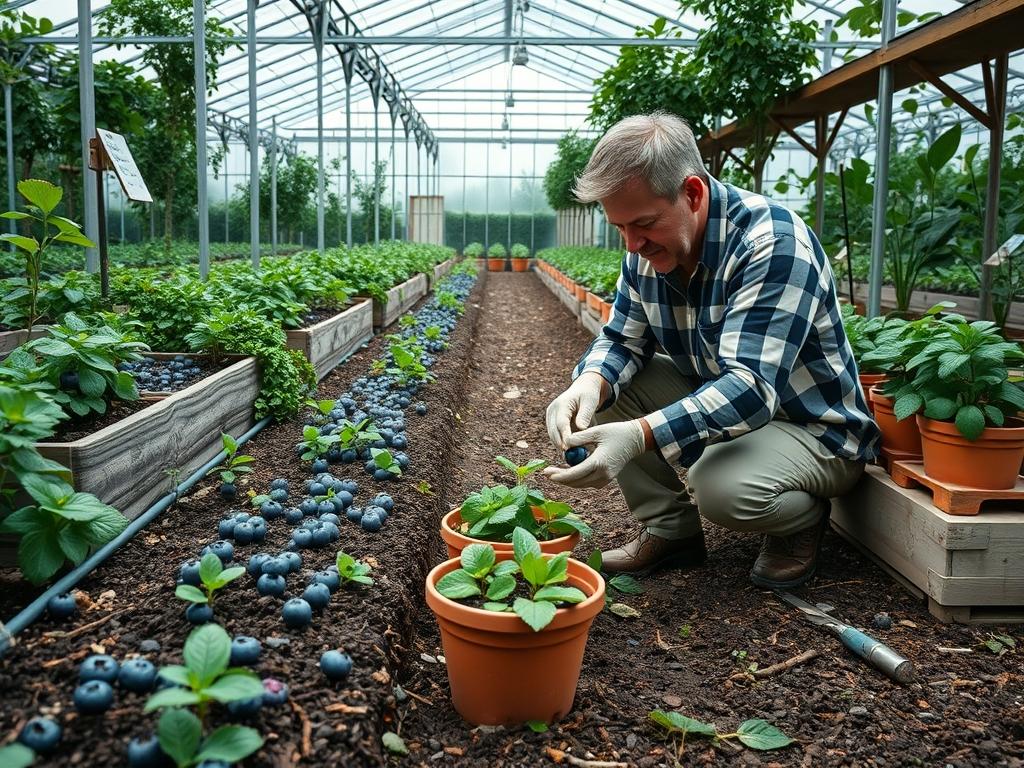
Designing a functional landscape that balances aesthetic curb appeal with agricultural productivity requires a sophisticated understanding of site ecology and spatial dynamics. While many homeowners view fruit production as a backyard hobby, a senior landscape architect treats the cultivation of the Vaccinium genus as a structural design challenge. Integrating these shrubs into a master plan involves more than digging a hole; it necessitates a deep dive into soil chemistry, hydraulic engineering, and solar orientation. When the primary goal is picking blueberries for sweetness, the architect must manipulate the microclimate to maximize sugar accumulation, known as Brix levels, through strategic placement and rigorous environmental control. These plants offer multi seasonal value, from white bell shaped flowers in the spring to brilliant crimson foliage in the autumn, making them ideal candidates for focal points in a modern, edible landscape.
The primary hurdle in blueberry landscape integration is the specific requirement for acidic soil and exceptional drainage. Most residential lots feature compacted clay or alkaline fill that is hostile to these shallow rooted shrubs. To overcome this, architects often specify raised beds or built in planters that allow for complete control over the growing medium. This elevation provides the necessary vertical clearance for water to transit the root zone without causing anaerobic conditions. Furthermore, the placement of these beds must account for the sun path. To ensure picking blueberries for sweetness is a successful endeavor, the plants require a minimum of eight hours of direct sunlight. Partial shade may produce foliage, but it results in tart, underdeveloped fruit. By treating the garden as a series of outdoor rooms, we can position these shrubs where they receive maximum solar gain while remaining protected from harsh desiccating winds that can bruise the delicate berries.
Landscape Design Principles
Successful garden planning relies on the principle of intentionality. In a high end landscape, symmetry and focal points guide the eye and create a sense of order. When incorporating fruiting shrubs, using them as a formal hedge or a repeating element in a larger border provides visual continuity. We often utilize Highbush Blueberries as mid level screening plants, bridging the gap between low lying groundcovers and taller canopy trees. This layered approach creates depth and mimics natural forest edges, which is where these species thrive in the wild.
Elevation layers are not merely about aesthetics; they are functional tools for managing moisture. By constructing Retaining Walls or terraced slopes, an architect can ensure that the acidic soil environment remains separate from the rest of the lawn, which typically requires a more neutral pH. Irrigation planning is the next critical pillar. We recommend a dedicated Drip Irrigation system equipped with a Smart Controller. This ensures that the root zone, which resides in the top 12 inches of soil, remains consistently moist during the fruit swelling stage. Fluctuations in moisture lead to split skins and diluted flavor, directly impacting the sweetness of the harvest.
Walkways and access points must be integrated into the initial layout to facilitate maintenance and harvesting. A well designed Flagstone Path or gravel walkway allows the homeowner to reach the center of the planting bed without compacting the soil. Compaction is the silent killer of blueberries, as it crushes the fine, hair like roots that are responsible for nutrient uptake. By designing for accessibility, we ensure that the task of picking blueberries for sweetness is a comfortable, ergonomic experience rather than a struggle through dense, tangled brush.
Plant and Material Selection
The following selection of materials and cultivars focuses on balancing architectural form with high quality fruit production. Selecting the right species for your USDA zone is the first step in ensuring long term landscape health.
| Plant Type | Sun Exposure | Soil Needs | Water Demand | Growth Speed | Maintenance Level |
| :— | :— | :— | :— | :— | :— |
| Highbush (Northern) | Full Sun | pH 4.5 to 5.2 | Moderate to High | Medium | Moderate |
| Rabbiteye (Southern) | Full Sun | pH 5.0 to 5.5 | Moderate | Fast | Low |
| Half-High Hybrid | Full Sun | pH 4.5 to 5.0 | Moderate | Slow | Moderate |
| Sunshine Blue | Full to Partial | pH 5.0 to 5.8 | Low to Moderate | Slow | Low |
| Legacy Cultivar | Full Sun | pH 4.8 to 5.2 | High | Fast | High |
Implementation Strategy
The transition from a design blueprint to a physical garden requires a meticulous step by step process. Begin with site grading to ensure that water moves away from the foundation of the home and toward a designated drainage area or Rain Garden. Once the grade is established, use Grade Stakes to outline the planting zones. For blueberries, we recommend an “island” approach where the entire bed is excavated to a depth of 18 inches and backfilled with a bespoke mix of Peat Moss, Pine Bark, and Perlite.
Edging is essential for preventing the encroachment of turf grass, which competes fiercely for nitrogen. A heavy duty Steel Edging or a Brick Header provides a crisp line that enhances curb appeal while serving as a root barrier. When the plants are in the ground, apply a layer of Pine Needle Mulch at a depth of 3 inches. This mulch not only retains moisture but also slowly acidifies the soil as it decomposes. For hardscaping elements like Retaining Walls, use non leaching stones like Granite or Basalt to avoid altering the soil pH with lime.
Proper spacing is the final component of the implementation strategy. To allow for adequate airflow and sun penetration, space shrubs at least 4 feet to 5 feet apart. If you are creating a dense hedge, you can reduce this to 3 feet, but realize that the interior of the plant will produce fewer, less sweet berries due to shading.
Common Landscaping Failures
The most frequent error in edible landscaping is poor drainage management. Blueberries have a very low tolerance for “wet feet,” and if the soil remains saturated for more than 24 hours, the plant will likely succumb to Phytophthora Root Rot. Always test the percolation rate of your soil before planting. If the water does not drain at a rate of at least 1 inch per hour, you must utilize raised beds.
Another common failure involves root overcrowding and improper companion planting. Many gardeners try to tuck blueberries into existing ornamental beds without considering the competition. Deep rooted trees will quickly siphon off the water and nutrients intended for your shrubs. Furthermore, using the wrong mulch, such as Hardwood Shred, can actually increase the soil pH and cause iron chlorosis, characterized by yellowing leaves with green veins.
Finally, irrigation inefficiency often leads to sub par fruit. Overhead sprinklers are a mistake as they encourage fungal diseases on the foliage and can wash away the “bloom,” the waxy white coating on the berry that protects it from dehydration. Transitioning to a sub surface Microspray System or Drip Line is the professional standard for high performance landscapes.
Seasonal Maintenance
To ensure the highest quality when picking blueberries for sweetness, maintenance must be a year round commitment. During the spring, the focus is on growth and pollination. This is the time to apply a sulfur based fertilizer and prune out any dead or crossing branches using Hand Pruners. Encourage biodiversity by planting native flowers nearby to attract pollinators, which are essential for large, well formed berries.
In the summer, the priority shifts to moisture management and harvest timing. Picking blueberries for sweetness requires patience. A berry that has just turned blue is not yet at its peak sugar content; it often requires another 3 to 7 days on the bush to fully develop its flavor profile. Look for the “bloom” to be thick and the stem attachment point to be completely blue. During this period, bird netting may be necessary to protect the crop. Ensure the netting is supported by a frame rather than draped over the plants to prevent damage to the terminals.
Autumn is the season for soil replenishment and aesthetic appreciation. As the leaves turn brilliant shades of red and orange, apply a fresh layer of Mulch to insulate the roots for the coming winter. This is also a good time to take soil samples to verify that the pH remains within the narrow window of 4.5 to 5.2. If the pH has drifted upward, a light application of Elemental Sulfur can be scratched into the surface.
In winter, the landscape enters a dormant phase. This is the best time for heavy structural pruning. Removing one-third of the oldest canes every year ensures that the plant is constantly rejuvenating itself. This practice maintains a high ratio of young, productive wood, which results in larger fruit and a more manageable shrub size.
Professional Landscaping FAQ
How do I know the exact moment for picking blueberries for sweetness?
Wait until the entire berry, including the “star” at the stem end, is a deep, uniform blue. The fruit should feel slightly soft to a gentle touch and pull away from the branch with almost no resistance.
What is the best way to lower soil pH quickly?
For immediate results in existing landscapes, use Aluminum Sulfate or Ferrous Sulfate. However, for a long term and more sustainable approach, regularly incorporating Elemental Sulfur and Sphagnum Peat Moss into the soil profile is the preferred architectural standard.
Do I need more than one variety for fruit production?
While many modern cultivars are self fertile, cross pollination between two different varieties of the same type significantly increases berry size and total yield. For the highest quality landscape, always plant at least two different varieties that bloom simultaneously.
Does mulch type really affect the sweetness of the fruit?
Indirectly, yes. Mulches like Pine Bark or Pine Needles maintain the acidic environment and soil moisture consistency that blueberries require. Stress from pH fluctuations or drought will cause the plant to produce bitter or acidic fruit.
Can I grow blueberries in large decorative pots on a patio?
Yes, this is an excellent solution for urban landscapes. Use a 20-gallon container with a mix of potting soil and peat. This allows you to control the environment perfectly, though you must monitor irrigation more closely as pots dry out faster.