
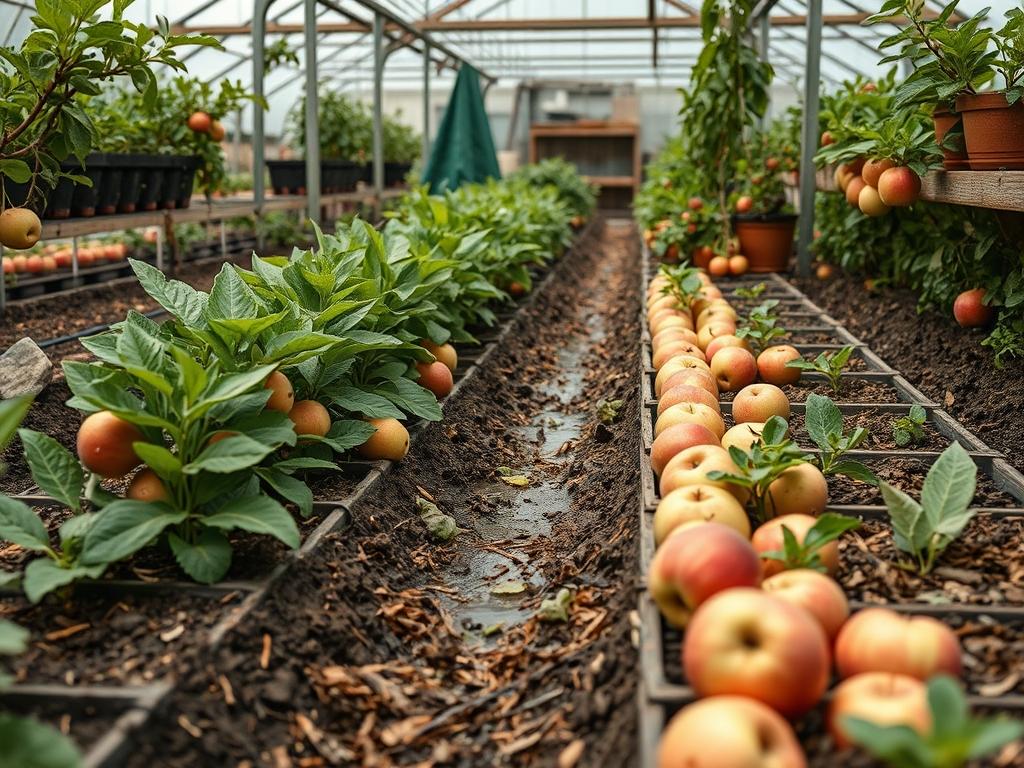
Integrating a productive orchard into a residential landscape requires a sophisticated balance between aesthetic structural integrity and horticultural precision. When we design for Harvesting Homegrown Apples, we are not merely planting trees; we are installing a living architectural feature that dictates the flow and functionality of the outdoor environment. The ultimate success of this integration is measured by the harvest window, that precise moment when sugar levels, acidity, and texture reach their peak. For a landscape architect, providing the client with a successful harvest means more than just fruit. It involves managing the microclimate, ensuring proper drainage, and creating a visual focal point that enhances curb appeal throughout the four seasons. An apple tree reaching its harvest window is the culmination of careful site planning, where elevation, sunlight, and irrigation converged to support a high performance specimen.
Proper orchard placement impacts the entire site ecology. We look at the tree as a centerpiece that provides shade, screening, and a sense of permanence. However, many homeowners struggle to identify exactly when the fruit is ready, often missing the window and losing the crop to overripeness or pests. Identifying this window is an art informed by science. It requires monitoring the fruit for color transitions, assessing the ease of detachment from the fruiting spur, and observing the maturity of the seeds within. From a design perspective, the path to the tree must be clear and functional, allowing for effortless maintenance and collection. If the landscape is poorly planned, the harvest becomes a chore rather than a celebration of the outdoor space. We prioritize professional grade accessibility and soil health to ensure the tree thrives long enough to reach its full reproductive potential.
Landscape Design Principles
A successful fruit bearing landscape relies on several key architectural principles. Symmetry and focal points are paramount. We often use a central Malus domestica specimen to anchor a large garden bed, surrounding it with lower elevation layers to create a tiered effect. This provides visual balance while ensuring that the tree receives maximum sunlight exposure. In larger estates, we may utilize formal rows that follow the natural contours of the land; this not only creates a rhythmic visual pattern but also assists in natural water runoff management. Proper spacing is non negotiable. We allow for a canopy spread that facilitates airflow, which is critical for preventing fungal diseases like apple scab.
Elevation is another critical factor. Planting an apple tree on a slight mound or a dedicated terrace can prevent water from pooling at the root flare. This elevation works in tandem with the surrounding hardscape. We often integrate retaining walls crafted from natural fieldstone or precast concrete blocks to manage grade changes and provide a structured backdrop for the orchard. Walkways should be wide enough to accommodate a harvest basket or wheelbarrow. Using materials like decomposed granite or flagstone provides a stable, permeable surface that complements the organic nature of the trees. Visual balance is achieved by pairing the coarse texture of apple leaves with finer textures, such as ornamental grasses or perennials like Lavandula, which also serve to attract essential pollinators to the site.
Plant and Material Selection
| Plant or Material Type | Sun Exposure | Soil Needs | Water Demand | Growth Speed | Maintenance Level |
| :— | :— | :— | :— | :— | :— |
| Malus domestica (Apple) | Full Sun | Loamy/Well-drained | Moderate | Medium | High |
| Lavandula (Lavender) | Full Sun | Sandy/Alkaline | Low | Moderate | Low |
| Rosmarinus (Rosemary) | Full Sun | Thin/Well-drained | Low | Moderate | Low |
| Cedar Mulch | N/A | N/A | N/A | N/A | Low |
| Drip Irrigation Tubing | N/A | N/A | N/A | N/A | Moderate |
| Hesperaloe parviflora | Full Sun | Poor/Well-drained | Very Low | Slow | Very Low |
Implementation Strategy
The implementation phase begins with comprehensive site preparation. We start with a topographic survey to identify low spots where cold air or water might collect. Grading is the next step; we ensure the land slopes away from the tree base at a minimum two percent grade. If the native soil is heavy clay, we incorporate organic compost and expanded shale to improve porosity. Digging the planting hole is a task of precision. The hole should be twice as wide as the root ball but no deeper than the root flare to prevent settling and subsequent trunk rot.
Once the tree is positioned, we install a drip irrigation system with emitters spaced to provide deep, infrequent watering. This encourages deep root growth rather than shallow surface roots. Edging is then installed to define the orchard zone. We prefer using heavy duty steel edging or tumbled brick to create a clean line between the turf and the mulch bed. A three inch layer of arborist wood chips or shredded cedar mulch is applied to the root zone, keeping it at least four inches away from the trunk itself. This mulch layer suppresses weeds, retains moisture, and provides a clean surface for any fruit that might drop during the harvesting window. Finally, for young trees, we use lodgepole stakes and flexible tree ties to provide support against high winds without restricting the natural movement of the trunk.
Common Landscaping Failures
The most frequent failure in orchard landscaping is improper drainage. Apple trees have high oxygen requirements at the root level; saturated soil quickly leads to phytophthora root rot. We often see trees planted in “bowls” where the soil has settled, creating a ponding effect. Another common mistake is root overcrowding. When trees are planted too close to concrete foundations or underground utility lines, the root system cannot expand, leading to stunted growth and poor fruit quality.
Soil compaction is another silent killer. During construction or landscape installation, heavy machinery often compresses the soil, destroying the macro pores needed for air and water movement. We mitigate this using mechanical aeration or air spades before planting. Additionally, many homeowners ignore the needs of irrigation as the tree matures. A system designed for a sapling will not support a mature canopy. Improper mulch depth is also a factor. “Mulch volcanoes,” where mulch is piled against the bark, trap moisture and invite boring insects and fungal pathogens. Finally, failing to plan for cross pollination can result in a beautiful tree that never produces a harvestable crop, necessitating the retroactive addition of a pollinator variety.
Seasonal Maintenance
Landscape management is a year round commitment. In the spring, the focus is on fertilization and dormant spray applications. We use simple NPK balanced fertilizers and neem oil to protect the emerging buds. This is also the time to inspect the irrigation timers and ensure all emitters are clear of debris. Summer maintenance involves fruit thinning. We remove excess fruit to ensure the remaining apples have enough space and nutrients to reach size. This prevents limb breakage and ensures the tree does not enter a biennial bearing cycle.
As autumn approaches, the focus shifts to Harvesting Homegrown Apples. This requires monitoring the fruit color; look for the “ground color” to change from green to yellow or creamy white. We use the “lift and twist” method to check for ripeness. If the apple detaches easily with the stem attached, the window is open. In winter, we perform structural pruning. Using bypass loppers and pruning saws, we remove the three Ds: dead, damaged, and diseased wood. We also prune for light penetration, ensuring the center of the canopy remains open. This winter maintenance is vital for setting the stage for the next year’s growth and ensuring the structural integrity of the landscape feature.
Professional Landscaping FAQ
How do I know if my soil is suitable for apples?
Perform a soil percolation test to check drainage speeds. Dig a hole, fill it with water, and ensure it drains within several hours. Additionally, use a soil pH kit to confirm a range between 6.0 and 7.0 for optimal nutrient uptake.
What is the best way to prevent pests naturally?
Incorporate beneficial companion plants like Yarrow or Dill to attract predatory insects. Maintaining clean mulch beds and removing fallen fruit promptly prevents the life cycle of common pests like codling moths from completing within your garden.
Does mulch really matter for apple tree health?
Yes, mulch is essential. A thick layer of organic mulch regulates soil temperature and prevents moisture fluctuations. This stability reduces the risk of fruit cracking and ensures the tree remains healthy enough to produce a consistent harvest each year.
How much space does a semi dwarf apple tree need?
Plan for a diameter of fifteen feet. While the tree may be smaller initially, providing ample space ensures proper airflow and prevents the canopy from shaded out neighboring plants. It also allows for easier access during the harvesting window.
Can I grow apples in a small urban backyard?
Absolutely. We recommend columnar apple varieties or espalier training against a fence or wall. These methods provide high yields in narrow footprints, making them ideal for urban landscapes where horizontal space is at a premium.