
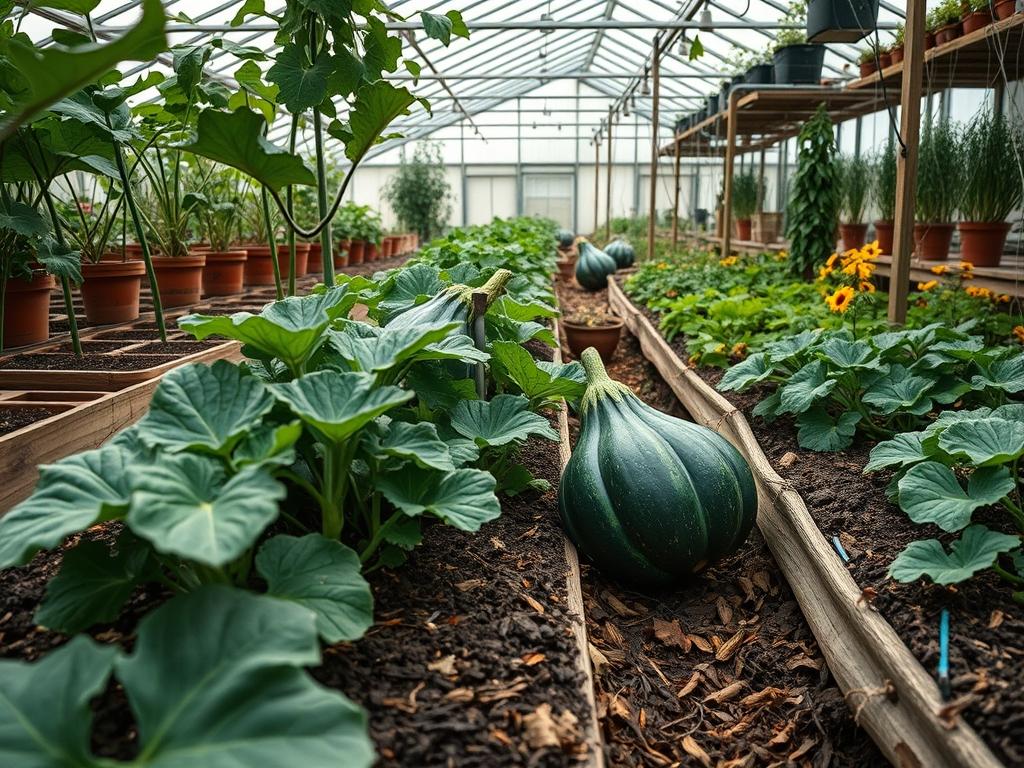
Integrating edible crops into a high end residential landscape requires a sophisticated balance between aesthetic intent and horticultural utility. For homeowners or estate managers, the goal is often to marry the rustic productivity of a kitchen garden with the clean lines of modern landscape architecture. Harvesting winter squash is not merely a task of extraction; it is the culmination of a six month design cycle that begins with spatial planning and ends with a curated seasonal yield. When we consider the sprawling nature of Curcurbita maxima or Cucurbita moschata, the architectural challenge becomes clear. These plants require significant square footage, yet their large leaves and vibrant flowers can provide excellent texture and ground cover if managed correctly. The transition from the lush green of summer to the cured, hardened skins of a late autumn harvest must be managed with precision to maintain curb appeal. A dying vine can quickly look like a neglected plot if it is not framed by structured edging, permanent hardscaping, or decorative trellising. Understanding the microclimates of your property, from the heat retention of stone retaining walls to the frost pockets in low lying lawn areas, is essential for timing the harvest before the first hard freeze destroys the crop.
Landscape Design Principles
Successful garden planning for heavy producing vines relies on the principle of spatial hierarchy. In a professional landscape, we avoid the scattered appearance of traditional vegetable patches by utilizing geometric symmetry and defined focal points. For instance, using a central A-frame trellis or a custom wrought iron obelisk allows winter squash to grow vertically. This adds an architectural layer to the garden, drawing the eye upward while keeping the fruit off the soil, which reduces rot and improves skin consistency.
Symmetry is often achieved by flanking a central walkway with matching raised beds constructed from 4-by-4 cedar timbers or natural fieldstone. These elevated structures provide necessary drainage and serve as a visual anchor. Elevation layers are equally important. We often design landscapes with tiered retaining walls that allow squash vines to cascade over the edges. This creates a waterfall effect of foliage that softens the hard lines of the masonry.
Irrigation planning must be integrated into the initial blueprint. Subsurface drip irrigation lines, buried under 3 inches of organic cedar mulch, ensure that water reaches the root zones without wetting the foliage. This design choice is critical for preventing powdery mildew, which can degrade the visual quality of the landscape mid season. Walkways should be wide enough, perhaps 36 to 48 inches, to accommodate wheelbarrows and foot traffic during the heavy harvest period. By treating the squash patch as a structured element of the outdoor environment, we ensure that the transition to harvest remains professional and orderly.
Plant and Material Selection
| Plant Type | Sun Exposure | Soil Needs | Water Demand | Growth Speed | Maintenance Level |
| :— | :— | :— | :— | :— | :— |
| Butternut Squash | Full Sun | Rich, loamy | Moderate | Fast | Medium |
| Delicata Squash | Full Sun | Well-drained | Consistent | Moderate | Low |
| Spaghetti Squash | Full Sun | High organic matter | Moderate | Fast | Medium |
| Kabocha Squash | Full Sun | Sandy loam | Low to Moderate | Moderate | Medium |
| Hubbard Squash | Full Sun | Deep, fertile soil | High | Very Fast | High |
| Organic Mulch | N/A | Weed suppression | N/A | N/A | Low |
| Cedar Timbers | N/A | Rot resistance | N/A | N/A | Low |
Implementation Strategy
The implementation of a high functioning squash garden begins with professional grading. Proper site preparation ensures that water moves away from the primary residence while remaining available to the thirsty root systems of the vines. We recommend a gentle slope of 2 percent for large garden beds. If the site is naturally flat, creating mounds or “hills” of soil mixed with composted manure and vermiculite can provide the necessary elevation for drainage.
Once the grading is complete, the perimeter should be defined with professional grade edging. Steel or aluminum edging provides a crisp line between the lush garden beds and the manicured turf. For the base layer, a geotextile fabric can be used under walkways to prevent weed intrusion, topped with crushed granite or pea gravel.
When planting, spacing is the most frequently ignored variable. A standard Butternut or Hubbard variety requires at least 50 to 100 square feet per hill to mature properly. In smaller urban landscapes, we implement heavy duty cattle panels or custom wooden lattices to redirect that growth vertically. As the season progresses toward the harvest, the implementation of a 10-10-10 NPK fertilizer early in the growth cycle, followed by a low nitrogen, high potassium feed in late summer, will encourage the development of thick, protective rinds. This structural integrity of the fruit is what allows the squash to survive the curing process after being cut from the vine.
Common Landscaping Failures
The most common failure in edible landscaping is inadequate drainage. When winter squash sits in oversaturated soil due to poor grading, the fruit develops “ground spots” and belly rot, rendering the harvest useless despite a beautiful exterior landscape. Another frequent mistake is root overcrowding. While it is tempting to plant many varieties for visual diversity, the aggressive nature of squash roots can lead to competition for nutrients, resulting in stunted fruit and yellowing leaves that diminish curb appeal by August.
Soil compaction is a hidden killer in many new builds. Construction equipment often leaves the subsoil as dense as concrete; therefore, a professional landscape must include deep tilling or the installation of raised beds to bypass the compacted layer. Irrigation inefficiencies also plague many designs. Overhead sprinklers are a major failure point, as they promote fungal diseases that can kill off an entire crop weeks before the harvest is ready. Finally, neglecting the “curing” phase is a logistical failure. Many homeowners harvest too early. The rind must be hard enough to resist a fingernail puncture, and the stem must be dry and corky. Harvesting immature squash lead to rapid shriveling and loss of the internal starches.
Seasonal Maintenance
Seasonal management is the heartbeat of a functional landscape. In Spring, the focus is on soil preparation and the installation of irrigation hardware. This is the time to test soil pH, aiming for a range between 6.0 and 6.8.
Summer maintenance involves aggressive scouting for pests like squash bugs and vine borers. We recommend a “check and spray” routine every 14 days using organic neem oil or similar horticultural soaps. Maintaining the mulch depth at 3 inches is crucial during the heat of July to prevent soil moisture evaporation and temperature spikes.
Autumn is the most critical period for harvesting winter squash. As the nights cool, keep a close watch on the weather forecast. One hard frost can damage the cell structure of the squash, leading to immediate rot during storage. Use bypass loppers or hand pruners to cut the fruit from the vine, leaving at least 2 to 3 inches of stem attached. This “handle” prevents bacteria from entering the fruit. After cutting, the squash should be left in a warm, dry area for 10 to 14 days to cure, which thickens the skin for long term winter storage.
Winter maintenance is focused on the hardscape. Clean all trellises and garden tools with a 10 percent bleach solution to kill lingering pathogens. This is also the time to review the landscape design and plan for crop rotation, as planting squash in the same location year after year can lead to a buildup of soil-borne diseases.
Professional Landscaping FAQ
When is the exact right time to harvest?
Harvest when the rind is hard and dull, and the vine has begun to wither. The stem should appear dry, brown, and woody. Ensure this is completed before the first hard frost to prevent structural damage to the fruit.
How do I prevent my squash from rotting on the ground?
Elevate the fruit using a layer of straw mulch or small wooden shingles. For a more architectural solution, train vines to grow up a trellis or retaining wall, which keeps the squash dry and improves air circulation.
Can I landscape with squash in a small yard?
Yes, utilize vertical gardening techniques. Use welded wire fencing or custom lattices to grow squash upward. This saves ground space for smaller ornamental plants and keeps the landscape looking intentional and organized rather than overgrown.
What is the best mulch for a squash garden?
A heavy layer of shredded cedar mulch or clean wheat straw is ideal. These materials regulate soil temperature, retain moisture, and provide a clean barrier between the ripening fruit and the soil, reducing the risk of fungal infections.
How do I prepare the soil for a heavy feeder?
Incorporate 4 inches of well rotted compost or aged manure into the top 12 inches of soil before planting. This provides the high nitrogen levels required for early leaf growth and the phosphorus needed for late season fruit development.