
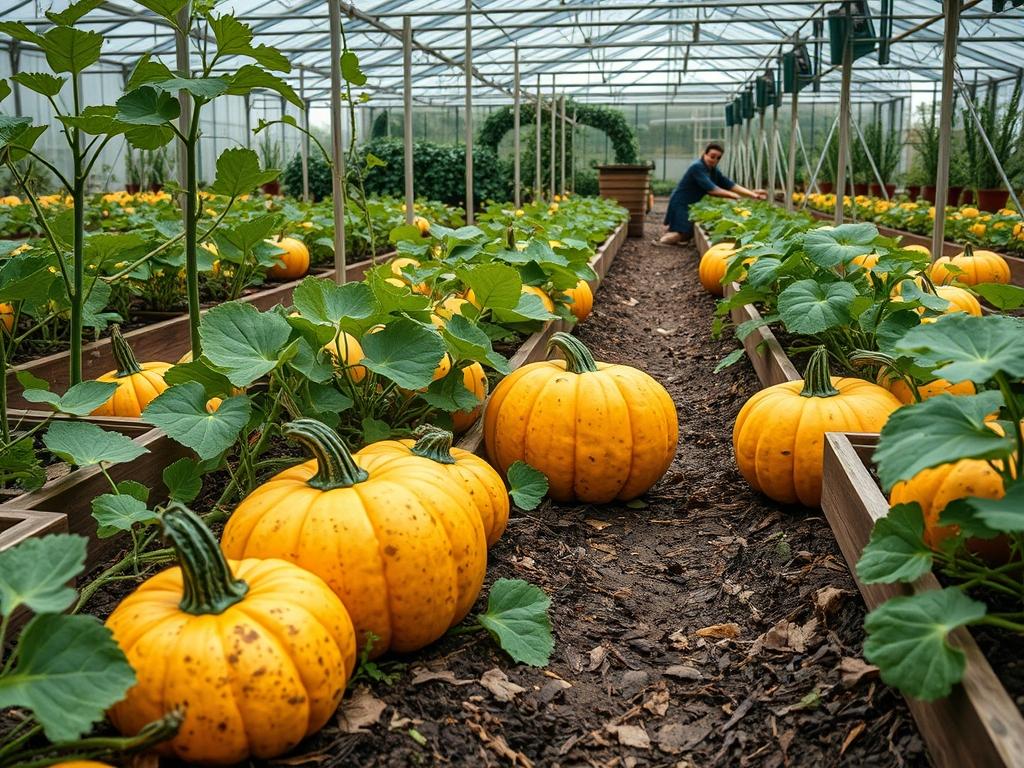
Integrating a productive edible garden into a high-end residential landscape requires more than simply clearing a patch of dirt. From the perspective of an outdoor environment consultant, the cultivation of specific culinary crops like Sugar Pie Pumpkins or Winter Squash serves as a dual-purpose design challenge. These plants must contribute to the aesthetic value of the property during the growing season while meeting the technical requirements for a successful harvest. The process of Curing Pie Pumpkins is the critical final phase of this landscape journey. It is not merely a culinary tip but a biological necessity that begins with the way the garden is graded, drained, and positioned within the overall site plan. Without a properly executed curing phase, the fruit remains high in water content and low in sugar, leading to a flavorless Thanksgiving pie and a high risk of site-borne pathogens causing premature rot in storage.
Designing a landscape for successful harvest requires a deep understanding of microclimates and site topography. A pie pumpkin needs a solid 100 to 120 days of growth, followed by a specific environmental transition. Curing is the process of exposing the harvested fruit to warm, dry conditions to toughen the rind and concentrate the interior sugars. If your landscape design does not account for a dedicated, dry, and sun-exposed secondary space for this transition, the functional utility of the garden is compromised. We approach this by treating the pumpkin patch as a structural element of the backyard, ensuring that the heavy vines do not encroach upon primary walkways or block the sightlines of key focal points. The ultimate goal is to create a seamless flow between the lush, green growth of summer and the curated, harvest-ready output of late autumn.
Landscape Design Principles
When planning a garden that accommodates large-vining crops, symmetry and elevation are essential. We often use raised beds constructed from Cedar 4×4 posts or custom-poured Concrete Retaining Walls to create distinct vertical layers. This elevation serves two purposes. First, it provides a clean visual edge that separates the sprawling nature of the Cucurbita pepo vines from the manicured Fescue or Kentucky Bluegrass lawn. Second, elevation is the most effective way to manage subsurface drainage. Pumpkins are prone to soil-born fungi; by elevating the planting plane, we ensure that excess irrigation or rainwater moves away from the crown of the plant.
Focal points should be strategically placed to draw the eye away from the dying foliage as the season ends. While the pumpkins themselves provide a lovely autumnal orange, the vines will naturally yellow and wither as the fruit reaches maturity. We balance this by planting evergreen perennials like Boxwood or Juniper along the perimeter of the patch. These static elements maintain the site’s structure when the edible components are removed for curing. Strategic walkway planning is also vital. A path made of Natural Flagstone or Decomposed Granite should lead directly to the harvest area. This allows the homeowner to transport heavy pumpkins to the curing station without compacting the garden soil or damaging the delicate root systems of neighboring plants.
Plant and Material Selection
| Plant Type | Sun Exposure | Soil Needs | Water Demand | Growth Speed | Maintenance Level |
| :— | :— | :— | :— | :— | :— |
| Sugar Pie Pumpkin | Full Sun (8+ hours) | Rich, Loamy, Well-drained | Moderate to High | Fast (Vine) | Moderate |
| Autumn Blaze Maple | Full Sun | Adaptable/Well-drained | Moderate | Fast | Low |
| Creeping Thyme | Full Sun to Part Shade | Sandy/Gritty | Low | Medium | Low |
| Dwarf Boxwood | Part Sun to Sun | Loamy/Neutral pH | Moderate | Slow | Medium |
| River Rock (3-5 inch) | N/A (Hardscape) | N/A | N/A | N/A | Low |
Implementation Strategy
The execution of a harvest-centric landscape begins with precise grading. We ensure a 2 percent slope away from all residential structures and garden beds to prevent pooling. For a pumpkin-focused area, the soil must be amended with high-quality organic compost to a depth of at least 12 inches. After the soil is prepped, we install an automated Drip Irrigation System. Overhead watering is avoided at all costs in professional landscaping for cucurbits because wet foliage invites powdery mildew, which can kill the plant before the pumpkins are ready for the curing process.
Hardscaping plays a silent but pivotal role in Curing Pie Pumpkins. A south-facing stone patio or a ventilated deck area acts as the primary curing station. Once the pumpkins are harvested, they are placed on these warm surfaces. The thermal mass of the stone absorbs daytime heat and radiates it back to the fruit during the night, maintaining the 75 to 85 degree Fahrenheit temperature range required for effective curing. We recommend using a layer of Landscape Fabric or a wooden pallet between the pumpkin and the ground to ensure 360-degree airflow. This prevents moisture from trapping against the rind, which is the leading cause of “ground spot” rot.
The edging of the garden bed should be defined using a Steel Edger or a Brick Paver border. This keeps the mulch, typically a Triple-Shredded Hardwood Mulch, contained. A mulch depth of 3 inches is standard to suppress weeds and retain consistent moisture levels. However, as the pumpkins begin to size up, we often place a small Terracotta Tile or a bed of Clean Straw under each fruit. This architectural intervention keeps the pumpkin off the damp soil, beginning the drying process even before the stem is cut.
Common Landscaping Failures
The most frequent mistake in residential edible design is root overcrowding. Homeowners often underestimate the spread of a single pie pumpkin plant, which can easily cover 50 to 100 square feet. When plants are crowded, airflow is restricted, leading to a humid microclimate that fosters rot. Another failure is improper irrigation timing. If the soil remains saturated during the final two weeks of growth, the pumpkin will take on too much water. This results in a watery puree that lacks the structural integrity needed for a dense, custardy Thanksgiving pie.
Soil compaction is another silent killer of landscape productivity. Utilizing heavy machinery near garden beds during the construction of nearby hardscapes like fire pits or pool surrounds can crush the soil structure. Without pore space, the roots cannot access oxygen, and the plant will produce stunted fruit that is incapable of curing properly. Finally, many people fail to monitor the pH levels. Pumpkins thrive in a slightly acidic to neutral range of 6.0 to 6.8. If the soil is too alkaline, the plant will struggle to uptake the nutrients required to develop those deep orange carotenoids that signify a healthy, carvable, and bakeable fruit.
Seasonal Maintenance
Autumn is the peak of the landscape architect’s management schedule. This is when the curing process begins. Once the vines have withered and the rind is hard enough to resist a fingernail puncture, the pumpkins are harvested with at least 3 to 4 inches of stem intact. This stem acts as a seal; if it is broken or removed, bacteria will enter the fruit and cause it to liquefy from the inside out. During this time, we also recommend a thorough cleanup of the garden beds to remove any diseased foliage, which should be disposed of off-site rather than composted.
In the winter, the focus shifts to soil preservation. We suggest planting a cover crop like Winter Rye or applying a fresh layer of Leaf Mold to protect the biological integrity of the soil. Spring is for infrastructure checks. We inspect the Backflow Preventer on the irrigation system and test the soil for nutrient depletion. Summer maintenance is primarily about pest management and vine training. We use Garden Staples to pin the vines in desired directions, ensuring they follow the architectural lines of the landscape design rather than choking out smaller ornamental perennials.
Professional Landscaping FAQ
Why does curing improve the flavor of pie pumpkins?
Curing allows enzymes to convert complex starches into simple sugars. This increases the sweetness and creates a smoother texture. It also evaporates excess moisture, resulting in a concentrated puree that holds its shape better in a crust.
How long should I leave pumpkins on my stone patio to cure?
For optimal results, pumpkins should cure for 10 to 14 days. Ensure the temperature stays above 70 degrees Fahrenheit. If a frost is forecasted, move the pumpkins into a garage or cellar to prevent cell wall damage.
Can I cure pumpkins directly on the grass?
It is not recommended. Grass retains moisture and lacks airflow, which can lead to fungal growth on the pumpkin’s base. Always use a raised, dry surface like a wooden pallet, a stone bench, or a gravel-filled landing.
How do I know if my soil drainage is sufficient for pumpkins?
Dig a hole 12 inches deep and fill it with water. If it takes more than four hours to drain, your soil is too heavy. You may need to install French Drains or build higher raised beds.
What is the best mulch for a pumpkin-heavy landscape?
Clean straw or pine needles are excellent choices. They provide a dry barrier between the fruit and the soil and are easy to incorporate back into the earth at the end of the season to improve soil tilth.