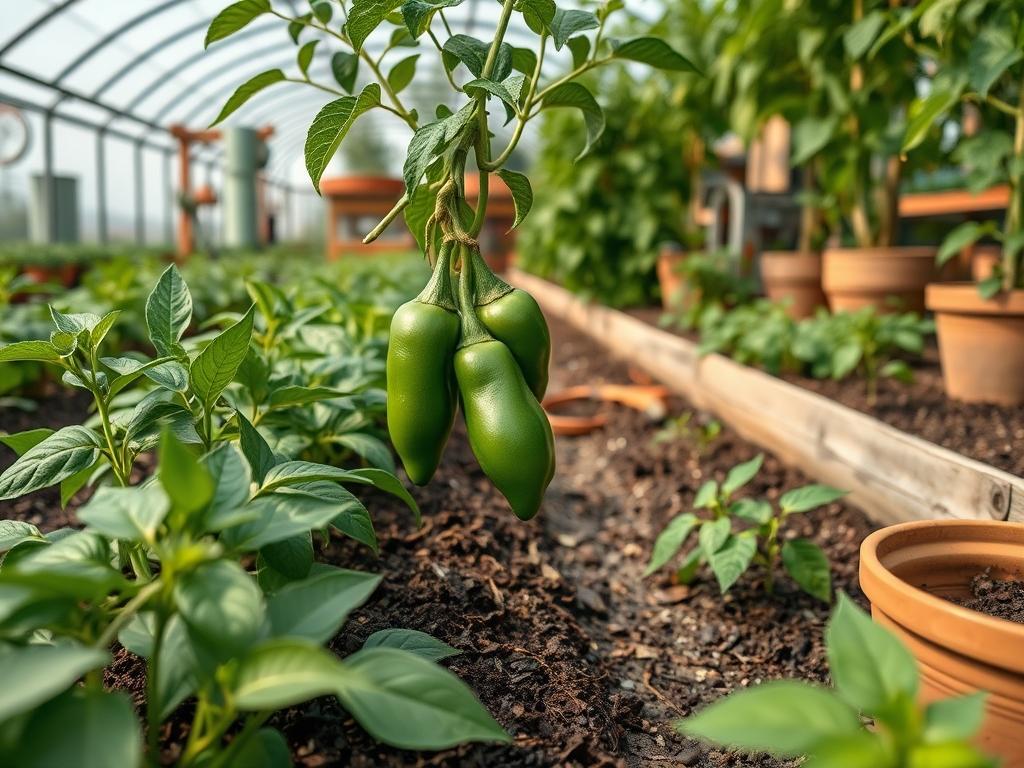
Integrating edible crops into a high end residential landscape requires a sophisticated understanding of plant physiology and aesthetic timing. While many gardeners view the harvest as a mere culinary conclusion, a landscape architect views the process of picking jalapeno peppers as a critical component of seasonal color management and plant health. The decision to harvest these fruits while they are immature and green, or to allow them to reach full botanical maturity and turn a vibrant crimson, fundamentally changes the visual texture and energy expenditure of your garden beds. In regions with long growing seasons, the deep scarlet of a ripe pepper provides a focal point that rivals traditional ornamental berries, but this beauty comes at a cost to the plant’s overall productivity. Designing a space that balances these functional yields with high level curb appeal requires careful planning of site drainage, solar orientation, and the structural placement of the pepper plants within the broader garden hierarchy.
Landscape designers often utilize the jalapeno plant, scientifically known as Capsicum annuum, for its glossy foliage and compact habit. When you choose to harvest the fruit in its green stage, you are essentially managing the plant’s reproductive cycle to favor continuous growth and higher yields. Picking green peppers prevents the plant from entering its final seed-setting phase, which signals the biological end of the season. From a landscaping perspective, this keeps the foliage lush and the plant producing new white blossoms, maintaining a consistent green volume in your borders. Conversely, allowing the peppers to turn red creates a striking contrast against the dark leaves, offering a warm color palette that complements autumn transitions. This shift in color can be used strategically to draw the eye toward specific garden zones, such as the corners of a raised parterre or the center of a sculptural container arrangement.
Landscape Design Principles
Effective edible landscaping relies on the same foundational principles as ornamental design, emphasizing symmetry, visual weight, and focal points. When situating jalapenos, consider their role as mid-story plants. They typically reach a height of 24 to 36 inches, making them ideal for the secondary layer of a planting bed. By placing them behind low-growing herbs like thyme or creeping rosemary and in front of taller structural elements like boxwood hedges or trellised vines, you create a sense of depth and elevation. Picking jalapeno peppers at different stages can actually modify the visual weight of the plant; a bush loaded with heavy, red peppers appears denser and more grounded than one with sparse green fruit.
Irrigation planning is another critical design pillar. Jalapenos require consistent moisture but are highly susceptible to root rot if the soil becomes anaerobic. For professional-grade installs, a drip irrigation system with pressure-compensating emitters is mandatory. This ensures that the water reaches the root zone directly without wetting the foliage, which reduces the risk of fungal pathogens like leaf spot. Furthermore, the placement of walkways is vital for harvest accessibility. A flagstone path or decomposed granite walkway should be situated within a comfortable reaching distance of the plants, ensuring that the harvest process does not lead to soil compaction around the delicate root systems. When the beds are designed with ergonomics in mind, the act of picking jalapeno peppers becomes a seamless part of the outdoor living experience.
Plant and Material Selection
| Plant Type | Sun Exposure | Soil Needs | Water Demand | Growth Speed | Maintenance Level |
| :— | :— | :— | :— | :— | :— |
| Jalapeno Pepper | Full Sun (6+ hrs) | Well-drained, pH 6.2-7.0 | Moderate / Consistent | Medium | Moderate |
| French Marigold | Full Sun | Average / Loamy | Low to Moderate | Fast | Low |
| Sweet Basil | Full Sun | High Organic Matter | High | Very Fast | Moderate |
| River Rock | N/A | Sub-base required | N/A | N/A | Very Low |
| Cedar Mulch | N/A | Organic transition | N/A | N/A | Low |
Implementation Strategy
The successful establishment of a pepper-centric landscape begins with proper site grading. Before any plants are installed, the sub-soil must be shaped to allow positive drainage away from the house foundation and the primary planting zones. A slight 2 percent slope is often sufficient to prevent standing water. Once the grade is established, the use of steel edging or tumbled stone borders defines the beds and prevents turf grass from encroaching on the peppers. These borders create a clean line that enhances the architectural feel of the garden while protecting the root zones of your Capsicum specimens.
When it comes to the actual planting, the soil should be amended with high quality compost and a slow-release organic fertilizer. For a professional finish, apply a 2 to 3 inch layer of shredded hardwood mulch or pine bark nuggets. This mulch serves a dual purpose: it regulates soil temperature, which is essential for fruit production, and it provides a neutral backdrop that makes the green or red peppers pop visually. When picking jalapeno peppers, the mulch also keeps the fruit clean by preventing soil splash-back during rain events. If you are aiming for a modern aesthetic, consider using mexican beach pebbles as a topper, though you must ensure a breathable landscape fabric is used underneath to prevent the stones from sinking into the loam.
Common Landscaping Failures
One of the most frequent mistakes in edible garden design is root overcrowding. While it is tempting to plant jalapenos closely to achieve a “full” look immediately, these plants require at least 18 to 24 inches of spacing to allow for adequate airflow. Without this gap, the microclimate between the plants becomes humid, leading to powdery mildew and stunted fruit development. Another common failure is improper drainage. If the garden is located at the base of a slope without a French drain or a swale, the jalapenos will likely suffer from nitrogen lockout and yellowing leaves, regardless of how much fertilizer is applied.
Irrigation inefficiencies also plague many residential designs. Overhead spraying is highly discouraged, as it can knock the blossoms off the plants before they have a chance to set fruit. This is particularly problematic if you are waiting for the peppers to turn red, as the fruit must remain on the plant for a significantly longer period, increasing its exposure to potential environmental stressors. Finally, soil compaction caused by foot traffic during the harvest is often overlooked. Designers should always incorporate stepping stones within large beds to provide stable footing for the homeowner when they are picking jalapeno peppers.
Seasonal Maintenance
Seasonal management of the jalapeno landscape changes as the sun’s angle shifts. In the spring, the focus is on soil warming and establishing a strong vegetative base. This is the time to install tomato cages or bamboo stakes to support the plants as they grow. While many people think of peppers as self-supporting, a heavy load of fruit, especially if left to ripen to red, can snap the brittle branches of a jalapeno plant. Staking ensures the architectural integrity of the plant remains intact throughout the summer.
As summer progresses into autumn, the gardener must decide the fate of the harvest. If you prefer the bright, acidic bite of a green jalapeno, harvest frequently to encourage the plant to continue flowering. If you desire the sweeter, more complex heat of a red pepper, allow the fruit to linger, but keep a close eye on the weather. A sudden frost will ruin the fruit and damage the plant’s vascular system. In the winter, the landscape should be cleared of all spent annual pepper plants to prevent pests like aphids or pepper weevils from overwintering in the debris. For those in warmer climates, a heavy pruning and a layer of frost cloth can sometimes allow these plants to survive as short-lived perennials, providing a head start for the following spring.
Professional Landscaping FAQ
How does picking jalapeno peppers green affect the plant’s appearance?
Harvesting green peppers signals the plant to continue producing foliage and new blooms. This maintains a lush, vibrant green aesthetic in your garden beds Throughout the peak growing season, ensuring the height and density of the plant remain consistent.
Which color pepper offers better curb appeal for a late-season garden?
Red jalapenos provide a high-contrast visual element that works well with autumn landscape palettes. The brilliant red fruit acts as a natural ornament, adding pops of color that stand out against the fading greens of other deciduous perennials.
What is the best mulch for a pepper-heavy landscape design?
Cedar or cypress mulch is preferred for its longevity and pest-repellant properties. It provides a clean, professional finish while maintaining the soil moisture necessary for the fruit to transition from green to red without shriveling.
Can I grow jalapenos in large decorative planters for symmetry?
Yes, jalapenos are excellent for symmetrical container displays. Use premium potting soil and ensure the containers have adequate drainage holes. This allows you to place the plants on patios or near entryways for both functional harvest and structural beauty.
Does a red pepper take significantly longer to grow than a green one?
A jalapeno typically reaches its full green size in 70 days. Allowing it to turn red requires an additional 2 to 4 weeks. This extended period requires the plant to have superior structural support and consistent irrigation to thrive.