
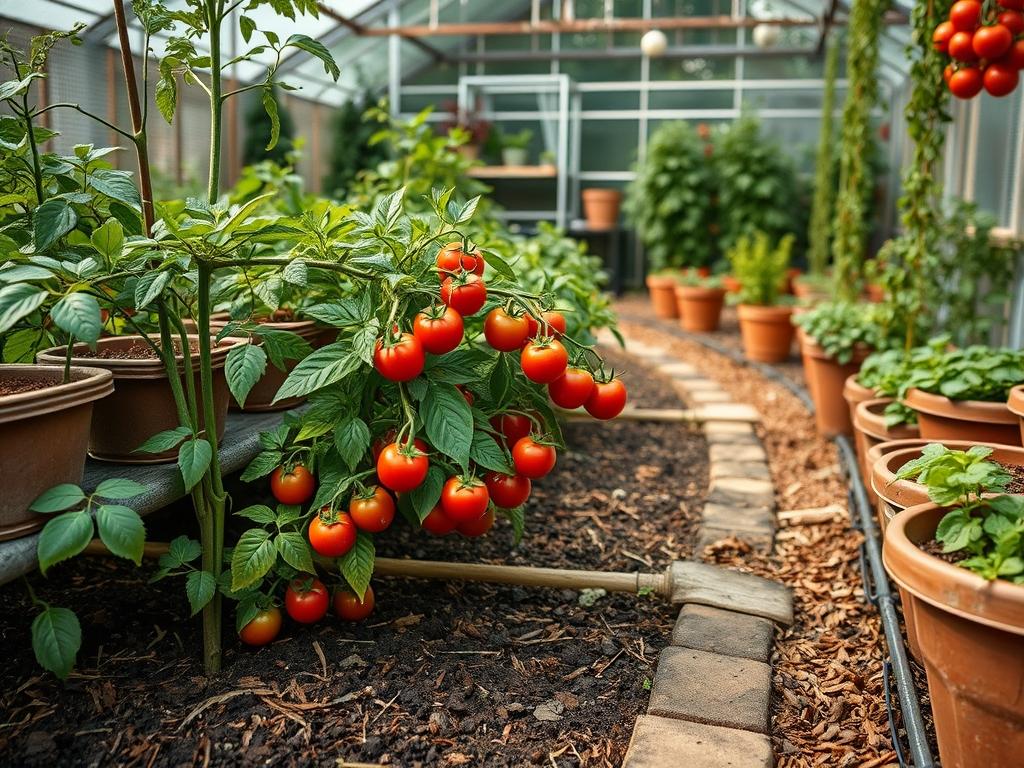
Integrating edible crops into a high-end landscape requires more than just biological knowledge; it demands a sophisticated understanding of site architecture, soil physics, and horticultural hormone management. While many homeowners view a vegetable patch as a purely utilitarian space, a senior designer recognizes it as a dynamic element of the broader outdoor living environment. The practice of picking cherry tomatoes daily is a primary cultural technique that bridges the gap between aesthetic maintenance and high-performance agriculture. From a landscape architecture perspective, when you engage in regular harvesting, you are essentially performing a precision pruning task that redirects the energy of the plant. This energy, which would otherwise be spent on maturing seeds within a ripening fruit, is instead channeled into new blossoms and vegetative expansion. This biochemical feedback loop is essential for maintaining the visual density of the plant, ensuring it remains an asset to the curb appeal rather than a bedraggled utility.
Strategic placement of these plants within a master plan should account for both microclimate and accessibility. A cherry tomato crop that is hidden in a far corner of the property is rarely harvested with the frequency required to maximize its genetic potential. By positioning these plants as transitional elements between functional hardscapes and ornamental borders, the landscape architect encourages the daily interaction necessary for peak productivity. The goal is to create a seamless flow where the act of picking cherry tomatoes becomes an intuitive part of navigating the outdoor space. This approach addresses the common challenge of balancing high-yield food production with the clean lines and controlled growth expected in a professional landscape design.
Landscape Design Principles
Successful integration of cherry tomatoes into a professional landscape relies on the application of core design principles like symmetry, focal points, and elevation layering. Because modern indeterminate varieties can reach heights of eight to ten feet, they function effectively as vertical accents. Using custom-fabricated steel trellises or cedar obelisks provides the necessary structural support while acting as a visual focal point in a formal garden layout. Symmetry is achieved by flanking a central walkway or a stone hearth with mirrored tomato plantings, creating a balanced, rhythmic progression through the space.
Elevation layers play a vital role in both health and aesthetics. By utilizing retaining walls or raised planters built from limestone or durable hardwoods, designers can elevate the root zone. This elevation serves two functions: it provides superior drainage and brings the fruit closer to eye level, facilitating the daily harvest. When planning the layout, irrigation must be subterranean or precision-targeted to the soil surface. Overhead sprayers disrupt the visual clarity of the site and encourage pathogens that diminish the longevity of the plant. A well-designed walkway, perhaps constructed of decomposed granite or bluestone pavers, ensures that the daily task of picking cherry tomatoes does not lead to soil compaction in the surrounding ornamental beds.
Plant and Material Selection
Selecting the right cultivars and supporting materials is critical to ensuring the longevity of the landscape. The following table outlines the technical requirements for a successful edible installation.
| Plant Type | Sun Exposure | Soil Needs | Water Demand | Growth Speed | Maintenance Level |
| :— | :— | :— | :— | :— | :— |
| Indeterminate Cherry | 6-8 Hours Direct | Loamy, pH 6.2-6.8 | High / Consistent | Fast | High (Daily Harvest) |
| French Marigold | Full Sun | Well-Drained | Moderate | Medium | Low (Companion) |
| Sweet Basil | Full Sun | Rich Organic | High | Fast | Medium (Pinching) |
| Hardwood Mulch | N/A | Weed Suppression | Helps Retention | Static | Annual Refill |
| Drip Tubing | N/A | Direct to Root | High Efficiency | Static | Low (Inspection) |
Implementation Strategy
The execution of a high-yield edible landscape begins with meticulous site grading. Proper grading ensures that excess stormwater moves away from the root zones of sensitive species, preventing the split skins often caused by erratic moisture levels. Once the grade is established, designers should define the boundaries of the production zone with professional-grade steel edging or Belgian block. This creates a clean line between the turf and the garden, preventing invasive grass roots from competing with the heavy-feeding tomato plants for nitrogen.
Soil preparation requires a blend of high-quality compost and expanded shale to improve aeration. After planting, apply a three-inch layer of organic mulch to regulate soil temperature and suppress weeds. This layer also prevents soil-borne pathogens from splashing onto the foliage during rain events. For the structural component, install heavy-duty supports before the plants reach 12 inches in height to avoid disturbing the developing root systems. As the plants grow, the strategy shifts to maintenance. Picking cherry tomatoes as soon as they reach their mature color profile prevents the plant from entering a state of reproductive senescence. If fruit is left to rot on the vine, the plant receives a hormonal signal that its reproductive mission is complete; this causes a sharp decline in subsequent flower production.
Common Landscaping Failures
One of the most frequent errors in garden planning is poor drainage. Even the most aggressive harvesting schedule cannot compensate for “wet feet,” which leads to root rot and nutrient lockout. If the site is located in a low-lying area, the use of French drains or perforated pipe wrapped in filter fabric is mandatory to move subsurface water efficiently. Another common failure is root overcrowding. Designers often underestimate the subterranean footprint of an indeterminate tomato plant; as a result, they may place them too close to permanent shrubs or trees, leading to resource competition that stunts the yield.
Improper spacing above ground also restricts airflow, creating a humid microclimate where powdery mildew thrives. Professional irrigation design must avoid frequent, shallow watering. This practice leads to weak, surface-level roots that cannot sustain the plant during summer heat waves. Instead, a deeply buried soaker hose system or 0.5 GPH emitters should be programmed for longer, less frequent cycles. Finally, soil compaction caused by heavy foot traffic near the beds can destroy the soil structure. Designing dedicated paths ensures that the area around the plants remains porous and oxygenated.
Seasonal Maintenance
Landscape management is a year-round cycle that starts in early spring with soil testing and amendment. Before the first frost has even cleared, the professional consultant is already planning the integration of slow-release organic fertilizers to prepare for the heavy nutrient demands of summer. In late spring, focus transitions to structural training, weaving the young vines through their supports to ensure optimal sun exposure for every leaf. This vertical management is vital for the eventual ease of picking cherry tomatoes.
During the peak of the summer heat, the focus shifts entirely to moisture management and harvest frequency. This is the period when daily intervention is most critical for increasing total yield. As the season transitions into autumn, the gardener should begin a process of “topping” the plants; this involves removing the localized growth tips to force the remaining energy into the final clusters of fruit. Once the production cycle ends in early winter, clear all organic debris to prevent pests from overwintering. Apply a fresh layer of wood chips or leaf mold to protect the soil ecology during the dormant months.
Professional Landscaping FAQ
How does daily harvesting physically increase the tomato yield?
When you practice picking cherry tomatoes daily, you prevent the plant from completing its reproductive cycle. This stimulates the production of more flowers rather than focusing energy on existing fruit, leading to a much longer and more prolific harvest window.
What is the best mulch for high-yield garden beds?
A clean, triple-shredded hardwood mulch or pine bark nuggets provide excellent moisture retention and temperature regulation. These materials break down over time, contributing valuable organic matter to the soil while maintaining a polished, professional appearance for the landscape.
Can I grow cherry tomatoes in large decorative containers?
Yes, provided the container holds at least 15 gallons of high-quality potting medium. Large vessels prevent the rapid temperature fluctuations and drying cycles that stress the plant. Ensure the container has adequate drainage holes to prevent water stagnation and root death.
How does irrigation timing affect fruit quality and yield?
Watering in the early morning is ideal. This ensures the plant is fully hydrated before the daily heat peak and allows any accidental leaf moisture to evaporate quickly. Consistent moisture prevents fruit cracking, and it supports the steady nutrient uptake required for ripening.
Why are my tomato plants growing leaves but no fruit?
This is often caused by excessive nitrogen or insufficient sunlight. Professional soil testing can identify nutrient imbalances. Ensure the plants receive at least six to eight hours of direct sun and prune excess foliage to allow light to reach the interior blossoms.