
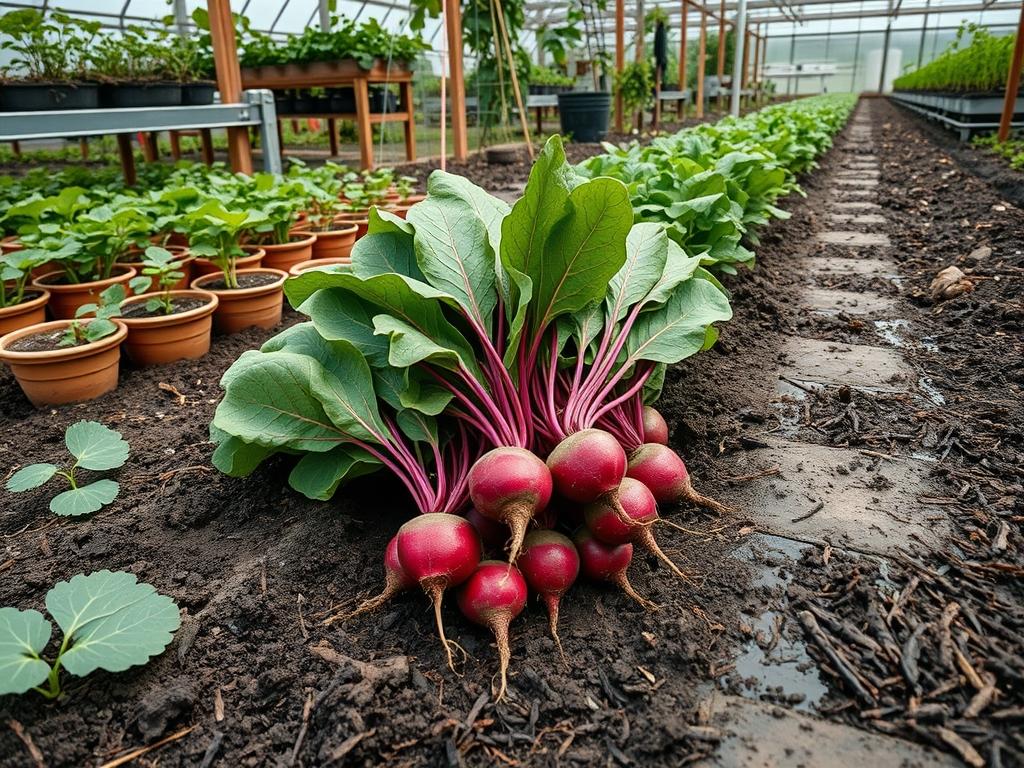
The transition from a purely ornamental backyard to a functional, edible landscape defines the modern high end outdoor environment. Integrating vegetable production into a sophisticated design requires more than just dropping seeds into the ground; it involves a deep understanding of site analysis, soil composition, and the visual rhythm of the property. When the primary goal includes harvesting baby beets for salads, the architect must consider how the growth cycle of the Beta vulgaris affects the overall aesthetic of the garden beds. These root crops offer a dual advantage in landscape design. Their vibrant green or deep burgundy foliage provides a rich texture that serves as an excellent low profile border, while their compact growth habit allows for high density planting without disrupting the sightlines of the larger garden layout. Achieving a consistent harvest of tender, golf ball sized roots requires a strategic approach to irrigation, drainage, and seasonal timing to ensure the site remains both productive and visually stunning throughout the growing season.
Landscape Design Principles
Successful food landscapes rely on the same fundamental principles as formal estate gardens. Symmetry plays a crucial role when incorporating beet patches into a broader design. By utilizing geometric patterns or mirrored raised beds, the landscape architect can elevate a utilitarian vegetable plot into a deliberate design feature. Focal points, perhaps a central stone fountain or a sculptural topiary, help anchor the eye while the lower canopy of beet greens fills the negative space. It is essential to manage elevation layers. Placing the beets in the foreground of a multi tiered garden ensures they receive maximum sunlight while remaining easily accessible for the physical task of harvesting.
Walkways and circulation paths are often overlooked in residential agriculture, but they are vital for maintaining soil health. In a professional landscape layout, flagstone paths or decomposed granite walkways should be wide enough to allow for maintenance without causing soil compaction near the root zones. Logic dictates that if you cannot reach the center of the planting bed comfortably, the harvest will be neglected, and the soil will be trampled. Visual balance is maintained by grouping plants with similar water requirements. This grouping, often called hydro-zoning, ensures that the high moisture needs of developing beets do not lead to the overwatering of drought tolerant perennials nearby.
Plant and Material Selection
Selecting the right cultivars and hardscape materials determines the longevity of the garden. The following table outlines the specifications for achieving a successful harvest while maintaining landscape integrity.
| Plant Type | Sun Exposure | Soil Needs | Water Demand | Growth Speed | Maintenance Level |
| :— | :— | :— | :— | :— | :— |
| Bull’s Blood Beet | Full Sun | Well-drained Loam | High | 50 to 60 Days | Medium |
| Chioggia Beet | Full Sun | Sandy Loam | Moderate to High | 55 Days | Low |
| Detroit Dark Red | Full Sun/Partial Shade | Loose, Stone-free | Consistent | 58 Days | Medium |
| Golden Beet | Full Sun | Rich Organic Matter | High | 60 Days | Medium |
| Swiss Chard (Companion) | Full Sun/Partial Shade | Deep Compost | Moderate | 50 Days | Low |
For the hardscape elements, Western Red Cedar is the preferred material for raised beds due to its natural rot resistance and aesthetic warmth. If the design leanings are more contemporary, weathering steel (Corten) provides a sleek, thin profile that maximizes planting space. All soil within these structures should be a premium blend of sandy loam, vermiculite, and aged leaf mold to provide the loose structure required for smooth, unblemished root development.
Implementation Strategy
The execution of an edible landscape begins with proper site grading. Before any planting occurs, the ground must be leveled or pitched at a 2 percent slope to ensure that water moves away from the foundation of the home and does not pool in the root zones. Poor drainage is the primary cause of root rot and stunted growth in beets. Once the grading is finalized, the footprint of the garden beds is marked using surveyor’s twine and stakes.
After the beds are constructed, the focus shifts to the irrigation system. A low-volume drip irrigation system with emitters spaced every 6 inches is the gold standard for harvesting baby beets. This system targets the root zone directly, reducing evaporation and preventing the foliar diseases that occur with overhead watering. When planting, seeds should be sown at a depth of 0.5 inches. Because beet seeds are actually small clusters of multiple embryos, thinning is mandatory.
When the greens reach 3 to 4 inches in height, the first round of thinning serves as the initial harvest for baby greens. For the roots, the critical harvest window begins when the crown of the beet is visible at the soil line and measures approximately 1 inch in diameter. Use a hand trowel or a garden fork to loosen the soil around the plant rather than pulling the beet by the leaves; this prevents the delicate greens from snapping and protects the root integrity of the neighboring plants.
Common Landscaping Failures
The most frequent mistake in edible garden design is soil compaction. Beets require friable, loose earth to expand. If the soil is too heavy or contains stones, the roots will become misshapen and woody, losing the tender quality desired for salads. Furthermore, improper spacing often leads to root overcrowding. When plants are too close, they compete for the same nitrogen, phosphorus, and potassium (NPK) resources, resulting in small, stunted yields.
Irrigation inefficiencies also plague many backyard designs. Inconsistent watering causes the beet roots to develop tough, fibrous rings. A landscape that lacks a dedicated timer for its edible zones often suffers from this “stop and start” growth. Finally, neglecting the aesthetic transition between the vegetable beds and the rest of the yard can ruin curb appeal. Without defined edging or retaining walls, the garden can look unkempt. Professional edging, using aluminum strips or paver borders, keeps the mulch inside the beds and provides a clean, crisp line that signals intentionality in the design.
Seasonal Maintenance
Maintaining a high performance landscape requires a four season management plan. In the Spring, focus on soil preparation and the first succession of plantings. This is the time to apply a slow-release organic fertilizer and ensure the irrigation lines are free of leaks or clogs from the winter freeze.
The Summer months require vigilant moisture management and mulching. Apply a 2 inch layer of shredded straw or pine bark mulch around the beets to regulate soil temperature and suppress weeds. This is also the peak time for harvesting baby beets for salads, as the warm weather accelerates the growth cycle.
In the Autumn, the landscape should be transitioned for cooler weather. Beets grown in the fall often have a higher sugar content due to the cooling soil. Once the final harvest is complete, sow a cover crop like clover or winter rye to prevent soil erosion and naturally replenish nitrogen levels.
During the Winter, the landscape architect should focus on structural maintenance. This involves oiling the cedar beds, inspecting any masonry joints in the walkways, and planning the crop rotation for the following year. Avoid walking on the dormant garden beds during this time to prevent crushing the soil structure.
Professional Landscaping FAQ
How often should I water baby beets?
Deliver approximately 1 inch of water per week through drip irrigation. In sandy soils or high heat, split this into two or three applications to maintain consistent moisture throughout the top 6 inches of the soil profile.
What is the best mulch for edible borders?
Use shredded cedar or clean straw. These materials regulate soil temperature and decompose into organic matter. Avoid dyed mulches, as they may contain chemicals that are not suitable for food-producing zones of the landscape.
How do I prevent “woody” beet roots?
Harvest when the roots are between 1 and 1.5 inches in diameter. Provide consistent irrigation and ensure the soil pH remains between 6.0 and 7.0. Stress from drought is the primary cause of fiber buildup.
Can I grow beets in containers on a patio?
Yes, use containers at least 12 inches deep. This allows for proper root expansion. Ensure the pots have adequate drainage holes and use a high quality soilless potting mix to prevent compaction and soil-borne diseases.
Which companion plants enhance beet growth?
Plant onions, garlic, or bush beans nearby. These species do not compete for the same soil depth and can help deter certain pests. Avoid planting near pole beans, as they can interfere with beet development.