
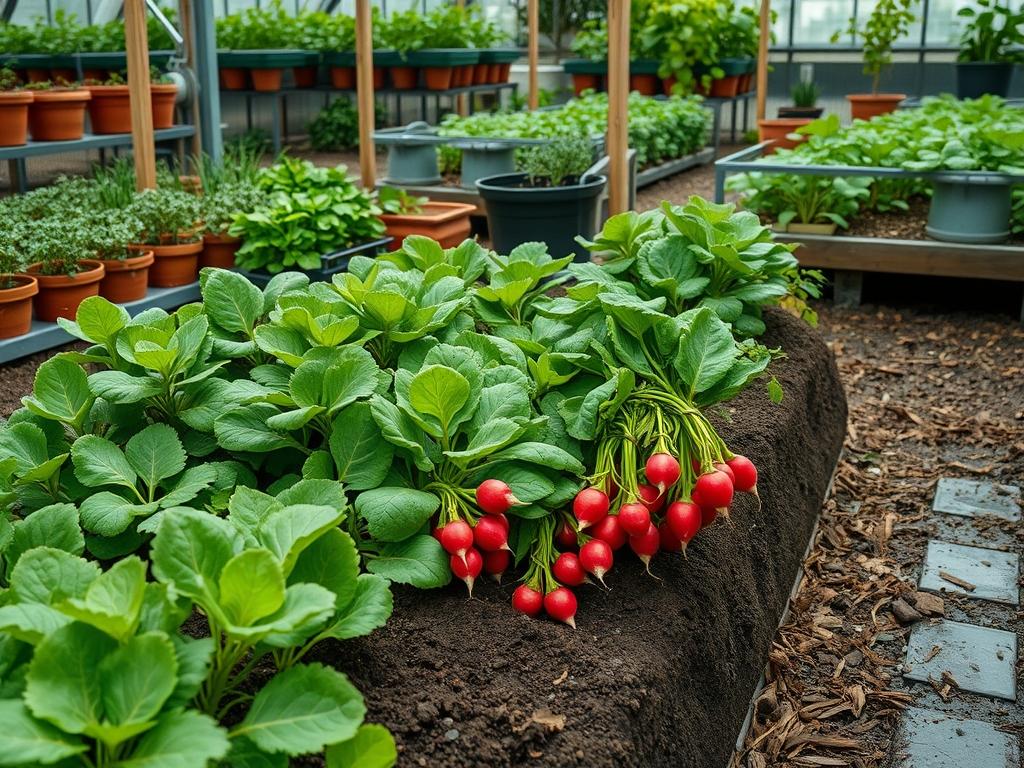
Integrating edible components into a master landscape plan requires more than just a dedicated corner for vegetables; it demands a sophisticated understanding of timing and microclimes. When designing a functional residential environment, the aesthetics of the garden are often prioritized, yet the utility of the space provides the most long term value. Picking fresh radishes at the peak of their development is a task that reflects the success of the underlying irrigation and soil management strategies. If the timing is missed, the resulting pithy roots signify a breakdown in the maintenance schedule; a failure that can detract from the overall experience of the outdoor living area. A well designed landscape accommodates the rapid lifecycle of these root vegetables, ensuring they contribute to both the visual texture of the garden and the culinary needs of the household.
In high end residential design, we often look to the French potager style to blend utility with elegance. This approach treats vegetables like Radishes not as hidden crops, but as essential border elements or ground covers that provide temporary visual interest. The challenge lies in the fast paced nature of these plants. Because they mature in as little as twenty five days, they require a landscape that is responsive. A senior architect must consider how the soil structure and the proximity to the kitchen affect the likelihood of the homeowner successfully picking fresh radishes before they become woody. By placing these plants in highly visible, easily accessible raised beds, we ensure that the transition from garden to plate is seamless, preventing the neglect that leads to poor texture and flavor.
Landscape Design Principles
Symmetry and focal points are the bedrock of any professional outdoor environment. When incorporating annual crops like radishes into a larger landscape, we use them to define the edges of walkways or to fill the gaps between slower growing perennials. This “inter-cropping” method maximizes the use of space while providing a lush, green carpet of foliage. To maintain visual balance, these edible borders should be framed by permanent structures like Steel Edging or Cedar Raised Beds. This containment prevents the garden from looking messy as crops are harvested and replanted, maintaining the tight lines required for modern curb appeal.
Elevation layers play a critical role in both the aesthetics and the health of the plant. By utilizing tiered planting systems, we can control the drainage and soil temperature more effectively than in traditional flat plots. Radishes thrive in cooler soil with exceptional drainage. In a professional design, this is achieved by using a customized soil mix consisting of Sandy Loam, Perlite, and Organic Compost. This mixture prevents the soil compaction that often leads to distorted roots. Furthermore, a well planned irrigation system, preferably a Drip Irrigation network with a dedicated zone for rapid cycle crops, ensures that the moisture levels remain constant. Fluctuations in water availability are the primary cause of stress in root vegetables, leading to the development of pithy, unpleasant centers.
Walkways are another essential element of a functional garden layout. We specify materials like Decomposed Granite or flagstone for paths to provide stable access in all weather conditions. If the homeowner cannot reach the garden easily during a spring rain, they will likely miss the optimal window for picking fresh radishes. By ensuring the path leads directly to the harvest area, the landscape design facilitates the maintenance routine. Every step in the garden should feel intentional, leading the eye and the feet toward the most productive zones of the property.
Plant and Material Selection
| Plant Type | Sun Exposure | Soil Needs | Water Demand | Growth Speed | Maintenance Level |
| :— | :— | :— | :— | :— | :— |
| Cherry Belle Radish | Full Sun | Loose, sandy loam | High (Consistent) | Very Fast | Low |
| French Breakfast Radish | Full Sun | Rich, friable soil | Moderate | Fast | Low |
| Dwarf Boxwood | Full/Partial Sun | Well-drained | Moderate | Slow | Medium |
| Creeping Thyme | Full Sun | Sandy/Rocky | Low | Moderate | Low |
| Cedar Mulch | N/A | Neutral pH | N/A | N/A | Low |
| River Rock | N/A | N/A | N/A | N/A | Low |
Implementation Strategy
The implementation of a high performance garden begins with site grading. Proper grading ensures that water flows away from the home’s foundation while also preventing “pooling” in the vegetable beds. For a vegetable garden integrated into a larger landscape, we often recommend a slight 2 percent slope to facilitate natural runoff. Once the site is graded, we install the hardscaping, such as Retaining Walls and Flagstone Paths, which provide the structural backbone of the design. These elements define the “rooms” of the outdoor space, separating the recreational lawn from the high yield production zones.
After the hardscaping is in place, we focus on the soil preparation. For the radish beds, the soil should be tilled to a depth of 6 inches, ensuring there are no large stones or debris that could obstruct the growth of the roots. We then install the Drip Irrigation lines, burying them slightly beneath the surface to provide water directly to the root zone. This minimizes evaporation and keeps the foliage dry, reducing the risk of fungal diseases. Once the irrigation is tested, we apply a layer of Cedar Mulch or finely shredded bark. This mulch depth should be approximately 2 inches to regulate soil temperature and suppress weeds, which is vital for picking fresh radishes that are crisp rather than bitter.
The final step is the planting and harvesting schedule. As landscape consultants, we provide a management calendar for our clients. For radishes, the planting should be staggered every ten days. This “succession planting” ensures a continuous supply and prevents a massive surplus that would inevitably go to waste. It also simplifies the harvest; instead of a single overwhelming task, picking fresh radishes becomes a brief, daily ritual that integrates perfectly into a modern lifestyle.
Common Landscaping Failures
The most common failure in garden design is improper drainage. When water sits in the root zone, the plants effectively suffocate, leading to stunted growth or rot. Conversely, if the soil dries out too quickly, the radish responds by producing a tough, lignified exterior and a pithy interior. This is why soil texture is non-negotiable. Many amateur gardeners use heavy clay soil, which hardens like brick in the sun, making it impossible for roots to expand. Professional grade Sandy Loam is essential to avoid this compaction.
Root overcrowding is another frequent mistake. When seeds are sown too thickly and not thinned properly, the plants compete for nutrients and water. This competition stresses the crop, causing it to bolt or mature prematurely. In our designs, we emphasize proper spacing, usually 2 to 3 inches apart, to allow each plant the room it needs to reach its full potential. Additionally, many landscapes fail because of irrigation inefficiencies. Sprinkler heads that spray the entire garden often miss the roots of low lying vegetables, leading to uneven growth. A dedicated drip system is the only way to ensure uniform quality across the entire harvest.
Seasonal Maintenance
Spring is the primary season for garden activation. This is the time to check the irrigation lines for leaks and to refresh the compost in the vegetable beds. As temperatures rise, the first crop of the year should be monitored daily. The key to picking fresh radishes is to harvest them as soon as they reach the size of a large marble. Leaving them in the ground for even a few extra days in the spring heat can ruin the texture.
During the summer, the focus shifts to soil protection. Radishes do not thrive in extreme heat, so we often use Shade Cloth or plant them in the shadow of taller perennials like Tomatoes or Peppers. This microclime management prevents the soil from overheating. In autumn, a second crop can be planted as the temperatures cool. This is often the best time for flavor, as the crisp air enhances the natural sugars in the root. Finally, winter maintenance involves “tucking in” the garden. We clear out old plant matter and apply a thick layer of mulch to prevent soil erosion, ensuring the beds are ready for the next spring cycle.
Professional Landscaping FAQ
How do I know exactly when to harvest my radishes?
Check the shoulder of the radish as it pops above the soil line. When the diameter reaches about one inch, it is time for picking fresh radishes. Delaying even forty eight hours can result in a woody, pithy texture.
What is the best way to prevent pithiness in the roots?
Maintain consistent soil moisture through a dedicated drip irrigation system. Radical fluctuations between dry and wet soil stress the plant, causing the internal cells to break down and become spongy. Consistent hydration is the most effective preventative measure.
Can I grow radishes in the same bed as my ornamental flowers?
Yes, radishes make excellent “living mulch” for taller ornamentals like Roses or Salvia. Their fast growth covers the soil quickly, preventing weeds and moisture loss while you wait for the larger perennials to fill in the space.
What type of mulch is best for a vegetable landscape?
Use a finely shredded Cedar Mulch or high quality Straw. These materials break down into the soil over time, improving the organic matter content. Avoid heavy wood chips in the vegetable zone as they can make harvesting small roots difficult.
Why are my radishes growing long and thin instead of round?
This is typically a sign of soil compaction or excessive nitrogen. Ensure your soil is loose to at least six inches deep. High nitrogen fertilizers promote leaf growth at the expense of the root, so use a balanced, low nitrogen compost.