
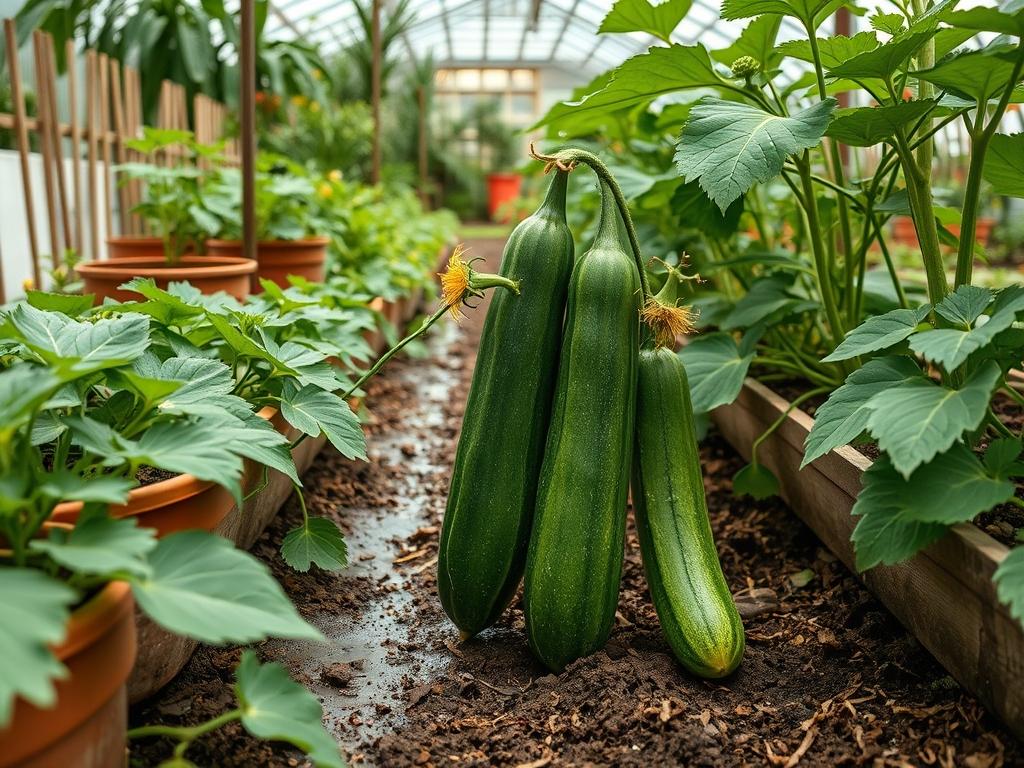
Integrating an edible garden into a professionally curated landscape design requires a delicate balance between aesthetic elegance and functional productivity. Cucumbers are often overlooked by high-end designers because of their sprawling, utilitarian nature, yet when managed with precision, they provide lush green textures and high-yield harvests. The primary challenge for the modern homeowner is ensuring that these plants do not become a visual burden or produce unpalatable fruit. Bitterness in cucumbers is a common physiological response to environmental stress, particularly when the fruit remains on the vine past its peak maturity. In the context of a functional outdoor environment, harvesting garden cucumbers frequently is not merely a chore for the kitchen; it is a vital maintenance protocol that signals the plant to continue diverting its reproductive energy toward new growth rather than seed maturation.
When the fruit stays on the vine too long, the plant assumes its reproductive mission is complete. This triggers a chemical shift, increasing the levels of cucurbitacin, which is the compound responsible for that sharp, medicinal bitterness often found in overripe produce. From a landscape management perspective, a garden that produces bitter fruit is a failure of the outdoor environment’s primary purpose, which is to provide value, beauty, and sustenance. To prevent this, the architect must design the space to facilitate easy, daily access for harvesting. Whether the cucumbers are part of a transition zone between a formal patio and a wilder perimeter or integrated into a series of raised masonry beds, the goal is to create a seamless interaction between the resident and the vegetation.
Landscape Design Principles
Successful integration of cucumbers starts with verticality and structure. Because cucumber vines can quickly overwhelm neighboring ornamental plants, specialized focal points such as powder-coated steel obelisks or heavy-duty wire trellises should be utilized. These vertical elements provide necessary elevation, allowing the fruit to hang freely. This prevents the yellowing and spotting that occurs when cucumbers sit on damp soil. Furthermore, vertical growth improves air circulation, which is the first line of defense against powdery mildew in humid climates. Symmetry in the placement of these trellises can mimic the formal structure of a traditional English garden, creating a sense of order amid the vigorous growth of the vines.
The placement of irrigation is the next critical design factor. Inconsistent moisture is the leading cause of stress-induced bitterness. A professional landscape plan should incorporate an automated drip irrigation system with emitters spaced every 6 inches along the vine row. This ensures the root zone remains consistently hydrated without wetting the foliage, which can lead to fungal pathogens. The design must also account for drainage. If the site is prone to standing water, the architect should specify retaining walls or raised garden sleepers constructed from untreated cedar or natural stone. This elevation ensures that the sensitive root systems of the Cucumis sativus are never anaerobic.
Visual balance is achieved by surrounding the cucumber zone with “anchor plants” that maintain their form throughout the season. While the cucumber vines may look ragged toward the end of a long summer, nearby boxwoods or ornamental grasses provide the permanent structure required for lasting curb appeal. Walkways made of decomposed granite or flagstone should be at least 36 inches wide to allow the harvesters to reach all sides of the trellis without compacting the soil near the roots.
Plant and Material Selection
| Plant Type | Sun Exposure | Soil Needs | Water Demand | Growth Speed | Maintenance Level |
| :— | :— | :— | :— | :— | :— |
| Slicing Cucumber | Full Sun | Rich Loam (pH 6.5) | High | Fast | High |
| Pickling Cucumber | Full Sun | Well-drained Sand | Moderate | High | High |
| French Marigold | Full Sun | Average Soil | Low | Medium | Low |
| Sweet Basil | Full Sun | Nutrient Dense | Moderate | Medium | Medium |
| Dill | Full Sun | Loamy/Light | Moderate | Fast | Low |
| Nasturtium | Full to Part Sun | Poor to Average | Low | Fast | Low |
Implementation Strategy
The implementation begins with proper grading. The site should have a gentle slope of about 2 percent away from any hardscaping or foundations to prevent water pooling. Once the area is graded, the layout for the edible beds is marked using surveyor stakes and string lines. For a professional finish, install aluminum edging or Belgian block to create a crisp transition between the garden beds and the surrounding lawn or mulch.
The soil profile is then built using a mixture of screened topsoil, aged compost, and vermiculite to ensure a light, airy structure that promotes deep root penetration. Before planting, a slow-release organic fertilizer should be incorporated into the top 4 inches of soil. When the cucumber seedlings are ready for transplanting, they should be spaced exactly 12 inches apart along the base of the trellis. Immediately after planting, a 2-inch layer of hardwood mulch or pine straw is applied to the surface. This mulch is essential for temperature regulation, as it keeps the soil cool during the heat of July and August, which significantly reduces the likelihood of bitter fruit.
After the structure and plants are in place, the irrigation controller should be programmed for early morning cycles. This allows any accidental moisture on the leaves to evaporate quickly as the sun rises. The harvesting protocol should be established as soon as the first flowers appear. Keeping a pair of sharp bypass pruners or floral snips near the garden entrance encourages the daily inspection necessary to catch fruit at the five to eight-inch stage, which is the peak for flavor and texture.
Common Landscaping Failures
One of the most frequent failures in backyard cucumber management is high-density planting. When gardeners crowd too many vines into a small space, the competition for nutrients and water becomes fierce. This competition induces the stress that leads to bitter fruit. Additionally, poor drainage can cause the roots to suffocate, leading to a decline in fruit quality even if the harvesting frequency is correct. Soil compaction is another silent killer. If the landscape design does not provide clear, hardened paths, the constant foot traffic near the plants will crush the delicate soil pores, preventing oxygen and water from reaching the root zone.
Irrigation inefficiency also plays a massive role in crop failure. Overhead sprinklers are particularly problematic, as they wash away pollen and encourage the spread of botanical diseases. If the watering schedule is erratic, the fruit will develop a “waisted” appearance, where one end is bulbous and the other is thin, usually accompanied by an intensely bitter flavor. Finally, the choice of mulch matters. Using dyed mulches can sometimes introduce unwanted chemicals into an edible zone; therefore, natural, undyed materials are always the professional preference for food-producing areas.
Seasonal Maintenance
In the spring, the focus is on soil preparation and trellis inspection. Any structural repairs to retaining walls or fences should be completed before the vines begin their rapid climb. Once the soil temperature reaches 65 degrees Fahrenheit, the cucumbers can be safely planted.
During the summer, the priority shifts entirely to harvesting frequency and hydration. The gardener should inspect the vines every single day. A cucumber can grow from a small nub to an oversized, bitter gourd in less than 48 hours during a heatwave. If any fruit is found that has turned yellow or grown excessively large, it must be removed and discarded immediately to redirect the plant’s focus.
In autumn, once the first frost hits, the vines should be pulled and composted to prevent pests like the striped cucumber beetle from overwintering in the debris. This is also the time to apply a fresh layer of compost to the beds. In winter, the landscape architect should evaluate the performance of the garden. This is the period to plan for crop rotation, ensuring that cucumbers are not planted in the same spot two years in a row, which helps break disease cycles and maintains soil health.
Professional Landscaping FAQ
How often should I harvest my cucumbers to ensure they stay sweet?
You should harvest cucumbers every 24 to 48 hours during the peak growing season. Picking the fruit while it is still young and firm prevents the buildup of bitter cucurbitacin compounds and encourages the plant to continue producing more.
What is the best way to support heavy cucumber vines?
Use a heavy-duty A-frame trellis or a cattle panel attached to T-posts. These structures are durable enough to support the weight of the vines and the fruit while allowing for maximum airflow and easy access for harvesting.
Why does my cucumber fruit look misshapen and taste bitter?
Misshapen, bitter fruit is usually caused by inconsistent moisture levels or poor pollination. Ensure your drip irrigation is on a regular timer and avoid using broad-spectrum insecticides that might harm the bees responsible for pollinating the flowers.
Can I grow cucumbers in large containers on a patio?
Yes, cucumbers thrive in 10-gallon or 15-gallon containers if they have adequate drainage and a dedicated trellis. Use a high-quality potting mix and monitor water levels daily, as containers dry out much faster than inground beds.
What should I do if my cucumber plant leaves start turning white?
This is likely powdery mildew, a common fungal issue. Improve air circulation by thinning the foliage and ensure the plant is getting at least eight hours of direct sun. Avoid wetting the leaves when watering to prevent the spores from spreading.