
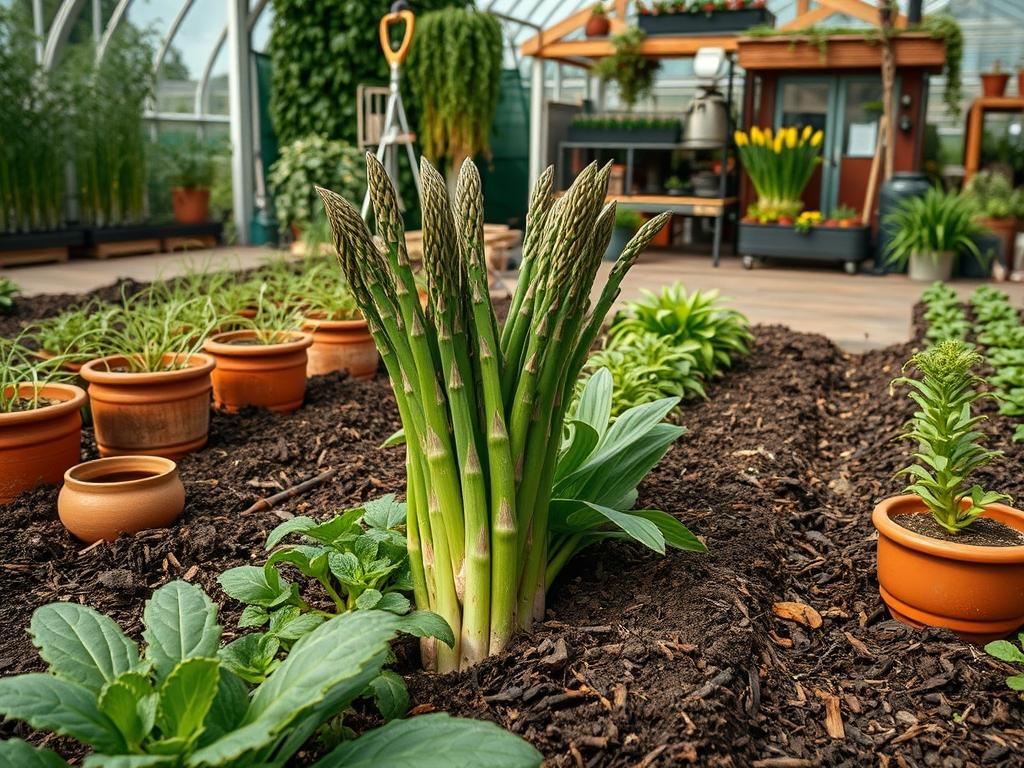
Integrating a permanent edible feature like asparagus into a professional landscape design requires a move away from the traditional, hidden vegetable patch toward a more integrated, aesthetic outdoor living philosophy. For the modern homeowner, the challenge lies in balancing the utilitarian nature of food production with the sophisticated requirements of high-end curb appeal and structural symmetry. Picking Garden Asparagus is not merely a seasonal chore but the final stage of a multi-year architectural plan involving soil engineering, drainage management, and spatial layering. A well-designed asparagus gallery can provide structural height during the summer with its airy, fern-like foliage, while serving as a productive asset that increases the functional value of the property for decades. Success depends on understanding that this species is a long-term tenant of the garden, often remaining productive for twenty years or more, which necessitates a permanent commitment to the site’s topography and soil health.
Landscape Design Principles for Edible Perennials
In a professional landscape, symmetry and focal points define the viewer’s experience. Integrating asparagus into this framework requires placing the beds where they can transition from a harvest zone in the spring to a visual screen in the summer. We often utilize the concept of elevation layers to ensure the asparagus ferns, which can reach heights of 4 to 5 feet, do not obscure shorter ornamental plantings like Lavender or Boxwood. By placing asparagus in the rear of a tiered border, you create a soft, textured backdrop that complements the rigid lines of hardscaped Retaining Walls.
Visual balance is further achieved through the use of high-quality materials for containment. Rather than simple wooden boxes, consider Corten Steel or Natural Limestone edging to define the boundaries of the bed. This provides a clean transition between the manicured turf and the organic texture of the garden. Irrigation planning is also paramount; asparagus requires consistent moisture but cannot tolerate standing water. Utilizing a Drip Irrigation System tucked beneath a layer of Pine Bark Mulch ensures the water reaches the root crowns directly, minimizing evaporation and preventing the fungal issues often associated with overhead sprayers.
Plant and Material Selection
| Plant Type | Sun Exposure | Soil Needs | Water Demand | Growth Speed | Maintenance Level |
| :— | :— | :— | :— | :— | :— |
| Asparagus Officinalis | Full Sun | Sandy Loam, pH 6.5-7.0 | Moderate/Consistent | Slow (3 years to maturity) | Medium |
| French Lavender | Full Sun | Well-Drained, Alkaline | Low | Moderate | Low |
| Blueberry Bush | Full/Partial Sun | Acidic, High Organic | High | Moderate | Medium |
| Creeping Thyme | Full Sun | Poor to Average Soil | Low | Fast | Low |
| Alpine Strawberry | Partial Shade | Rich, Well-Drained | Moderate | Fast | Low |
Implementation Strategy
The successful implementation of an asparagus-focused landscape begins with a rigorous grading and drainage plan. Because this plant is a heavy feeder and highly susceptible to crown rot, the soil must be prepared to a depth of at least 12 to 18 inches. We recommend a trenching method where the bottom of the trench is enriched with Composted Manure and Bone Meal. For a backyard layout, position the rows running north to south to ensure even sun exposure across the foliage once the harvesting season ends.
Once the trench is prepared, the One-Year-Old Crowns should be spaced 12 to 18 inches apart. As the plants grow, the trench is gradually backfilled with a mixture of native soil and organic matter. High-end edging is then applied to prevent the encroachment of aggressive turf grasses like Bermuda Grass, which can easily choke out the asparagus roots. A finished layer of Double-Shredded Hardwood Mulch at a depth of 2 to 3 inches provides a clean aesthetic while suppressing weeds and maintaining the cool soil temperatures necessary for high-quality spear production.
Common Landscaping Failures
The most frequent failure in edible landscaping is the neglect of soil physics, specifically soil compaction. High-traffic areas near the garden beds can compress the earth, limiting the oxygen available to the deep-reaching root systems of the asparagus. Furthermore, many designers fail to account for the mature width of the plants, leading to root overcrowding. When roots compete for space, the size of the spears diminishes, making the process of Picking Garden Asparagus a disappointing endeavor.
Irrigation inefficiencies also rank high among common errors. Many homeowners integrate asparagus into a zone meant for ornamental shrubs, which might not receive enough water during the critical fern-growth stage in late summer. Conversely, planting asparagus in a low-lying area with poor drainage is a death sentence for the crop. If your site has heavy Clay Soil, the only viable professional solution is the construction of raised beds to elevate the crowns above the water table.
Seasonal Maintenance and Harvesting
The art of Picking Garden Asparagus occurs primarily in the spring, but the health of the harvest is determined by the care provided in the other three seasons. During the first two years after installation, no spears should be harvested; this allows the plant to dump all its energy into the crown. By the third year, the harvest window opens for approximately three to four weeks, extending to six or eight weeks in subsequent years as the plant reaches full maturity.
In the spring, use a Stainless Steel Garden Knife or simply your thumb and forefinger to snap the spears at ground level. The ideal spear thickness is similar to a pencil, and the length should be between 6 and 9 inches. Snapping is often preferred over cutting because it prevents the accidental wounding of emerging spears hidden just beneath the soil surface.
During the summer, the focus shifts to supporting the tall ferns. These ferns are the energy factories for next year’s crop. If the landscape is located in a windy area, we often use Green Polypropylene Twine and T-Posts to create a subtle support system that prevents the ferns from toppling over. In autumn, once the foliage has turned completely yellow or brown, it should be cut back to the ground using Pruning Shears and removed to prevent overwintering pests like the Asparagus Beetle. Winter maintenance involves a top-dressing of Compost and a fresh layer of mulch to insulate the crowns against deep freezes.
Professional Landscaping FAQ
How do I tell if an asparagus spear is ready to harvest?
Look for spears that have reached 6 to 10 inches in height while the tips are still tightly closed. Once the scales at the tip begin to open, the spear becomes woody and loses its culinary quality.
Should I cut or snap the asparagus during harvest?
Snapping by hand is generally superior for the plant’s health. It ensure the break occurs at the naturally tender point and prevents metal tools from introducing soil-borne pathogens into the crown through deeper, unnecessary cuts.
What is the best way to handle asparagus beetles organically?
Hand-picking the beetles and their orange eggs is effective for small beds. For larger landscapes, applying Neem Oil or encouraging native predators like ladybugs can manage populations without resorting to harsh synthetic pesticides.
Why are my asparagus spears coming up very thin?
Thin spears often indicate that the crown is either too young, crowded, or lacks sufficient nutrients. Ensure you are not over-harvesting and provide a high-phosphorus fertilizer to help the root system expand and strengthen.
Does asparagus require a specific mulch for aesthetic and health reasons?
Clean Wheat Straw or Pine Bark Mini-Nuggets are ideal. They suppress weeds effectively while allowing for easy spear emergence. Avoid heavy stones or decorative gravel, which can compact the soil and obstruct the tender young spears.