
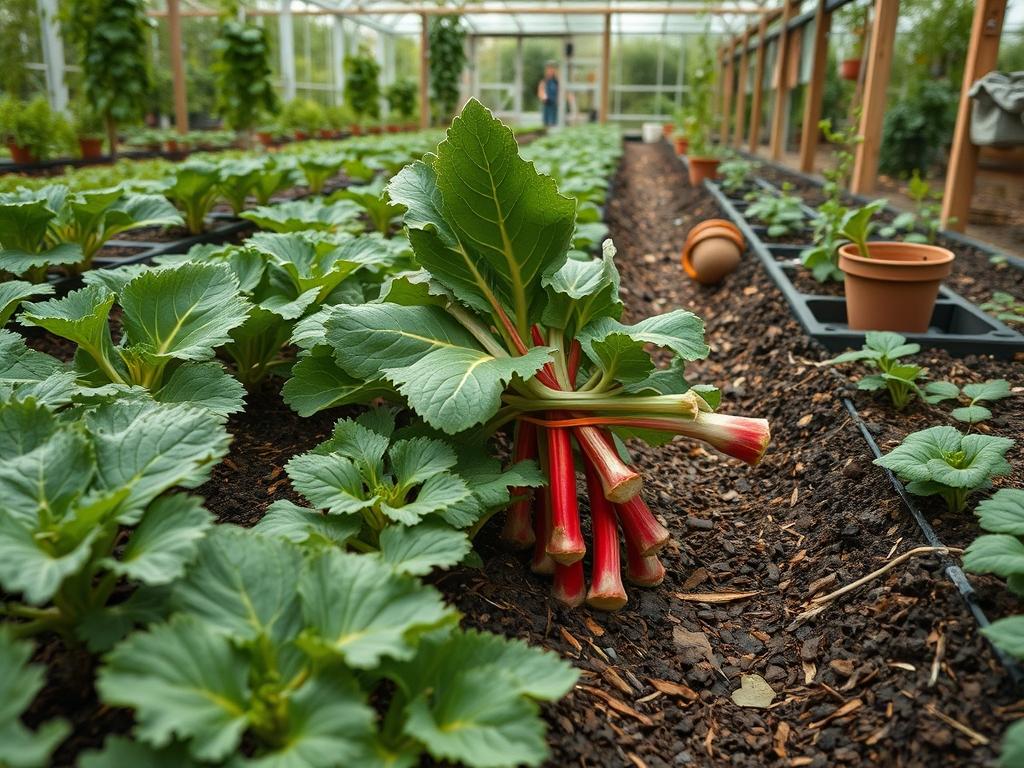
Integrating large scale perennials into a residential landscape requires a balance between architectural structure and functional utility. Rhubarb, scientifically known as Rheum rhabarbarum, serves as a premier example of a plant that offers both dramatic visual texture and a seasonal bounty. From a landscape architect’s perspective, the challenge often lies in positioning these heavy feeders where their massive, prehistoric looking foliage can shine without overshadowing delicate neighbors. Property owners frequently seek to enhance their curb appeal while maintaining a productive kitchen garden. By treating rhubarb as a structural anchor rather than a hidden vegetable, you create an outdoor living space that feels intentional and well curated. Successful cultivation and Harvesting Fresh Rhubarb depend heavily on site preparation, drainage management, and an understanding of the plant’s unique biological requirements.
Elevation and site grading are the primary concerns when planning a dedicated rhubarb zone. Because these plants are susceptible to crown rot, they must be situated in areas where water does not transition into a stagnant pool. Effective landscaping often involves creating a slight slope or utilizing Raised Beds to ensure that excess moisture moves away from the sensitive central crown. When we design for the modern homeowner, we focus on the transition between hardscaped areas, such as Paver Patios or Stone Walkways, and the softscape of the garden. Rhubarb provides a coarse texture that contrasts beautifully against the smooth lines of Concrete Edging or the fine needles of ornamental evergreens. However, safety is the most critical consideration during the design phase. The leaves of the rhubarb plant contain high concentrations of oxalic acid, which is toxic if ingested. Therefore, these plants should be zoned away from high traffic play areas frequented by pets or young children to ensure the environment remains a safe retreat.
Landscape Design Principles
Incorporating rhubarb into a professional landscape design demands adherence to the core principles of symmetry and focal points. Because Rheum rhabarbarum can reach widths of 3 feet or more, it naturally draws the eye. We often use it to anchor the corners of a formal garden or to provide a mid-tier layer in a tiered perennial border. Proper spacing is vital for air circulation, which prevents fungal pathogens from establishing themselves in the dense canopy. We typically recommend a radius of 4 feet between the centers of each plant to allow for full architectural expression.
Walkway planning is another essential component of the design. You must be able to access the plant from all sides for Harvesting Fresh Rhubarb without compacting the surrounding soil. Compaction restricts oxygen flow to the roots and disrupts the delicate Irrigation Systems that maintain the plant’s turgidity. By installing a series of Stepping Stones or a Decomposed Granite path around the planting site, you create a dedicated maintenance corridor. This ensures that the soil remains friable and that the landscape designer’s vision of a lush, healthy garden is preserved throughout the growing season.
Plant and Material Selection
| Plant Type | Sun Exposure | Soil Needs | Water Demand | Growth Speed | Maintenance Level |
| :— | :— | :— | :— | :— | :— |
| Rheum rhabarbarum | Full Sun | Rich, Loamy | Moderate to High | Fast | Low |
| Strawberry | Full Sun | Well-Drained | Moderate | Medium | Medium |
| Horseradish | Full Sun/Part Shade | Deep, Sandy | Low | Fast | High |
| Asparagus | Full Sun | Sandy Loam | Moderate | Slow | Medium |
| River Rock | N/A | N/A | N/A | N/A | Low |
| Wood Chip Mulch | N/A | N/A | N/A | N/A | Medium |
Implementation Strategy
The process of installing a rhubarb focused landscape begins with a thorough site analysis and soil test. Rhubarb thrives in a pH range of 6.0 to 6.8. To prepare the ground, we recommend excavating a hole at least 24 inches deep and wide. This space should be backfilled with a mixture of native soil and high quality Organic Compost. Because rhubarb is a heavy feeder, the initial soil preparation acts as a long term reservoir of nutrients. Once the soil is prepped, the Crown should be planted so that the eyes are roughly 1 inch to 2 inches below the surface. Planting too deep can lead to rot, while planting too shallow can expose the roots to frost heave.
After the plants are in the ground, the focus shifts to moisture management and aesthetics. A 3 inch layer of Hardwood Mulch should be applied around the base, keeping the material a few inches away from the stalks to prevent moisture retention against the stems. This mulch layer serves multiple purposes; it suppresses weed growth, regulates soil temperature, and provides a clean visual finish that ties the plant into the broader landscape. For larger installations, a Drip Irrigation system is the gold standard. By delivering water directly to the root zone, you minimize leaf wetness and reduce the risk of aesthetic degradation caused by powdery mildew.
When it’s time for Harvesting Fresh Rhubarb, the approach must be methodical. One must never use a Pruning Knife or Garden Scissors to cut the stalks from the crown. Cutting leaves an open wound that is highly susceptible to infection and pests. Instead, use the twist and pull method. Grasp the stalk near the base, apply a slight downward pressure, and twist it away from the heart of the plant. This technique allows the stalk to detach cleanly at the natural abscission layer. Remember to always discard the leaves immediately by placing them in a secure Compost Bin or green waste receptacle, as they are not fit for consumption.
Common Landscaping Failures
The most frequent mistake in culinary landscaping is poor drainage planning. If a rhubarb plant sits in waterlogged soil for even a short period, the roots will begin to decay, leading to a total loss of the specimen. Designers must ensure that the Grading of the yard directs surface runoff into a French Drain or away from the garden beds altogether. Another common failure is root overcrowding. Homeowners often underestimate the mature size of these plants and place them too close to Retaining Walls or large shrubs. As the rhubarb grows, it competes for resources, resulting in thinner, less vibrant stalks.
Soil compaction is another silent killer in the landscape. If a gardener frequently walks directly on the root zone while Harvesting Fresh Rhubarb, the soil structure collapses. This prevents the primary roots from expanding and absorbing the necessary nutrients. Furthermore, improper irrigation timing can lead to significant stress. Watering in the heat of the afternoon causes rapid evaporation and can scorch the leaves, while late night watering promotes fungal growth. A regulated, early morning schedule is always the professional recommendation.
Seasonal Maintenance
Landscape management is a year round commitment that changes with the light and temperature. In the spring, your focus should be on clearing away any winter debris and applying a fresh layer of Compost or a balanced 10-10-10 Fertilizer. As the weather warms, monitor the plant for seed stalks. These tall, central pillars should be removed immediately with a Garden Spade or Hand Trowel to ensure the plant directs its energy into leaf and stalk production rather than seed development.
During the autumn months, the foliage will begin to die back naturally after the first hard frost. This is the time to prune the dead material and reinforce the Mulch layer to protect the crown for the winter. In colder climates, adding a layer of Straw or Evergreen Boughs provides an extra buffer against extreme temperature fluctuations. Winter is also the ideal season for landscape planning. Review your garden’s performance and consider if any Perennial Divisions are needed. Rhubarb should be divided every 5 to 10 years to maintain its vigor and ensure continued success in Harvesting Fresh Rhubarb for many seasons to come.
Professional Landscaping FAQ
When is the best time for harvesting fresh rhubarb?
The peak window typically occurs from late spring through early summer. Look for stalks that are at least 10 inches long. Stop the harvest by mid summer to allow the plant to store energy for the following year’s growth cycle.
How do I safely handle the leaves during harvest?
Always wear Garden Gloves when handling the foliage to prevent skin irritation. Since the leaves contain toxic oxalic acid, they must be trimmed off immediately and disposed of in a location where pets and children cannot access them.
Can I harvest rhubarb in its first year of planting?
Professional architects recommend waiting until the second or third year. This patience allows the root system to become fully established. Harvesting too early can weaken the plant and significantly reduce its lifespan and future yield within your landscape design.
What tools are necessary for maintain rhubarb beds?
A high quality Garden Fork is essential for aerating the soil without damaging the crown. You will also need a Steel Rake for leveling mulch and a Pointed Spade for dividing mature plants or removing competitive weeds.
How does drainage affect the quality of the harvest?
Excellent drainage ensures the stalks remain firm and crisp. Plants in saturated soil often produce soft, stringy stalks that lack flavor. Proper Grading and the use of Perlite or sand can improve soil conductivity and overall plant health.