
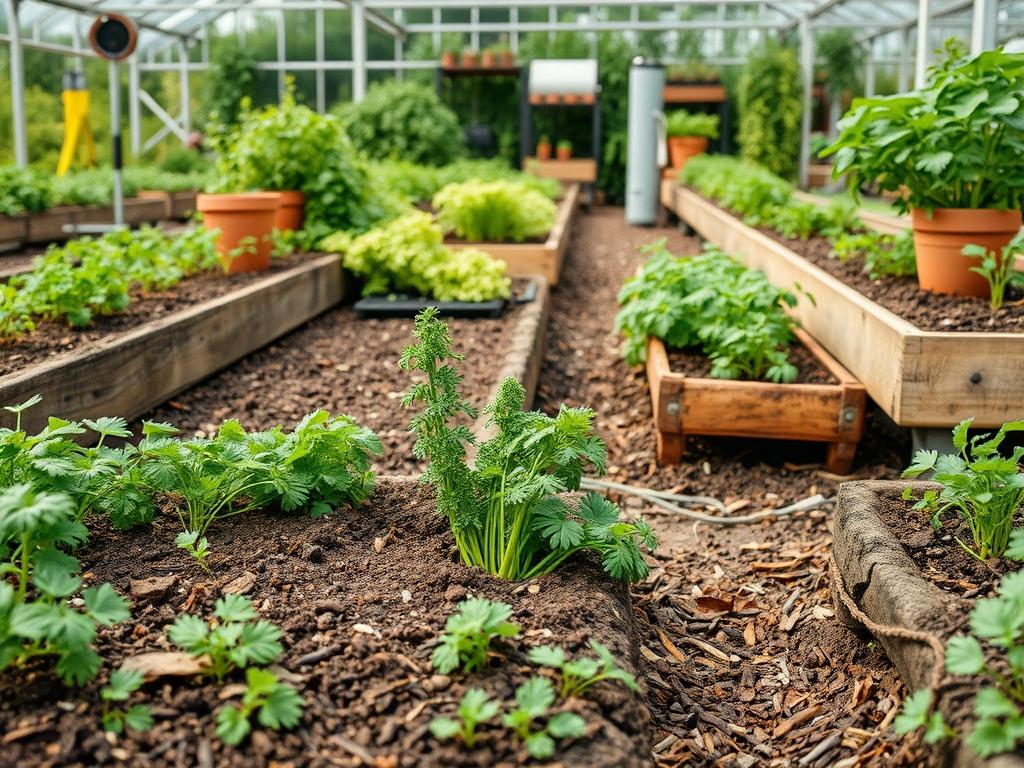
Integrating edible plants into a residential landscape requires a sophisticated balance between aesthetic appeal and functional utility. For many homeowners, the challenge lies in creating a space that looks like a curated estate while still providing a high-yield harvest. Harvesting garden parsley for bunches is not merely a culinary task; it is a vital part of landscape maintenance that ensures your garden remains lush and vibrant throughout the growing season. When we design edible borders, we consider the plant’s density, its architectural form, and how its recurring harvest affects the overall site plan. A well-managed parsley border provides a soft, feathery texture that serves as a living transition between hardscapes and taller ornamental perennials. In many temperate climates, this biennial herb bridges the gap between early spring greens and late autumn harvests, effectively extending the visual life of the landscape. By treating your herbs as structural elements rather than just kitchen ingredients, you enhance the curb appeal and increase the ecological value of your outdoor environment.
Landscape Design Principles
Successful landscape architecture relies on the intentional placement of every element to create a sense of order and purpose. When incorporating Petroselinum crispum, commonly known as curly-leaf parsley, or Petroselinum crispum neapolitanum, the flat-leaf variety, we look for sites that offer symmetry and visual balance. Parsley works exceptionally well as a low-tier plant in a layered landscape design. By placing it along the edges of Flagstone walkways or as a border for Raised cedar planters, you create a defined line that guides the eye through the garden.
Elevation layers are critical in professional design. We typically position parsley in the “foreground” or “Zone 1” of a planting bed. This location ensures easy access for frequent harvesting while keeping the plant’s delicate foliage visible. For a formal look, use a repeating pattern of parsley alternated with Chives or Silver thyme. This repetition creates a rhythm that feels intentional rather than haphazard. Furthermore, consider the focal points of your garden. If you have a Stone birdbath or a Statue, a dense ring of dark green parsley can serve as a verdant pedestal, grounding the object within the site.
Plant and Material Selection
Selecting the right cultivars and supporting materials is essential for a high-performance landscape. The following table outlines the specifications required for a professional-grade herb installation.
| Plant Type | Sun Exposure | Soil Needs | Water Demand | Growth Speed | Maintenance Level |
| :— | :— | :— | :— | :— | :— |
| Curly Parsley | Full Sun to Part Shade | Loamy, Well-drained | Moderate | Medium | Low |
| Flat-leaf Parsley | Full Sun | Rich, Organic | Moderate | Fast | Low |
| Rosemary | Full Sun | Sandy, Dry | Low | Slow | Moderate |
| Sweet Basil | Full Sun | Fertile, Moist | High | Fast | High |
| Garden Thyme | Full Sun | Gritty, Lean | Low | Medium | Low |
For the best harvesting results, we recommend using Loam-based topsoil amended with Organic compost. To facilitate the gathering of professional-style bunches, the soil must be loose enough to allow the plant to develop a robust taproot. In terms of materials, high-quality Steel landscape edging helps prevent the parsley from sprawling into lawn areas, maintaining a crisp and clean profile.
Implementation Strategy
Planning the layout for harvesting garden parsley requires a strategic approach to grading and soil preparation. Begin by assessing the drainage of your site. Parsley thrives in soil that stays moist but never becomes waterlogged. If your backyard has heavy clay, we suggest creating a Slightly mounded grade or installing a French drain system nearby to divert excess runoff.
Once the grade is set, install your edging. We often use Natural stone or Pressure-treated timber to create a 4-inch to 6-inch height difference between the path and the planting bed. This elevation makes it easier to reach down and perform the “cut and come again” harvesting method. When planting, space your seedlings 8 inches to 12 inches apart. This spacing allows air to circulate around the base of the plants, which is crucial for preventing fungal diseases in humid climates.
The actual process of harvesting garden parsley for bunches involves using Precision bypass pruners or a Sharp garden knife. To maintain the plant’s health and the garden’s aesthetic, always cut the outermost stems first. These are the oldest leaves. By removing the outer layer, you encourage the crown of the plant to produce new, tender growth from the center. For a standard bunch, gather roughly 15 to 20 stems and cut them at the very base, near the soil line. Do not leave “stubs” behind, as these can rot and detract from the garden’s clean look. Use a Twine tie or a Rubber band to secure the bunch immediately after cutting to preserve the upright structure of the foliage.
Common Landscaping Failures
One of the most frequent mistakes in edible landscaping is poor drainage planning. If parsley is planted in a depression where water collects, the roots will quickly succumb to rot, leading to yellowing foliage that ruins the visual appeal of your borders. Another common failure is root overcrowding. While it is tempting to plant herbs closely for an instant “full” look, overcrowding leads to stunted growth and poor air circulation. Within a few months, the plants will compete for nutrients, resulting in sparse, spindly stems that are difficult to harvest in bunches.
Improper irrigation is another pitfall. Overhead watering can flatten the delicate parsley leaves and encourage leaf spot. We recommend installing a Drip irrigation system with Emitter tubing placed directly at the soil level. This ensures that the moisture reaches the roots without wetting the canopy. Finally, many homeowners fail to manage soil compaction. In high-traffic areas, the soil around the parsley can become hard and impenetrable. Using Hardwood mulch at a depth of 2 inches can help protect the soil structure while suppressing weeds that would otherwise compete with your herb harvest.
Seasonal Maintenance
To keep your parsley beds looking professional year-round, follow a disciplined seasonal management schedule. In the spring, focus on soil preparation and early planting. If you live in a region with late frosts, use a Frost blanket to protect young seedlings. This is also the time to apply a Slow-release balanced fertilizer to jumpstart the vegetative growth.
During the summer, the priority shifts to irrigation and harvest. This is the peak time for harvesting garden parsley for bunches. Frequent cutting actually prevents the plant from bolting. If you see a thick, central flower stalk beginning to form, cut it out immediately. This redirect’s the plant’s energy back into leaf production. In the autumn, parsley often experiences a second surge of growth as temperatures cool. You can continue harvesting well into the first few light frosts.
As winter approaches, the maintenance goals change. In colder zones, parsley may die back to the ground. Apply a thicker layer of Straw mulch or Evergreen boughs to protect the crown. If you are in a milder climate, the parsley may stay green all winter. During these months, reduce watering significantly and avoid heavy harvesting, as the plant’s recovery time is much slower in low light conditions.
Professional Landscaping FAQ
How do I prevent my parsley from looking ragged after a harvest?
Always harvest the outermost stems at the soil level. This maintains the central mound of the plant, keeping the landscape looking full. Avoid “topping” the herb, as this creates an uneven, flat appearance that lacks structural integrity.
What is the best way to keep harvested bunches fresh?
Immediately place the stems in a Glass jar with two inches of cool water. Cover the tops loosely with a Plastic bag and store in a cool area. This preserves the turgidity of the leaves for professional presentation.
Can I use parsley in a shade-heavy landscape?
Parsley is surprisingly tolerant of partial shade. In environments with only 4 hours of sunlight, the growth will be slower and the stems longer, which can actually make it easier to gather into large, elegant bunches.
How do I manage pests without ruining the edible crop?
Use Integrated Pest Management strategies. Encourage beneficial insects like ladybugs or use Neem oil applications in the evening. Avoid harsh chemicals that would make the parsley unsafe for culinary use or damage the local ecosystem.
When should I replace my parsley plants?
Since parsley is a biennial, it typically flowers and goes to seed in its second year. For a consistently beautiful landscape, we recommend replanting 50 percent of your parsley crop every spring to ensure a continuous supply of lush foliage.