
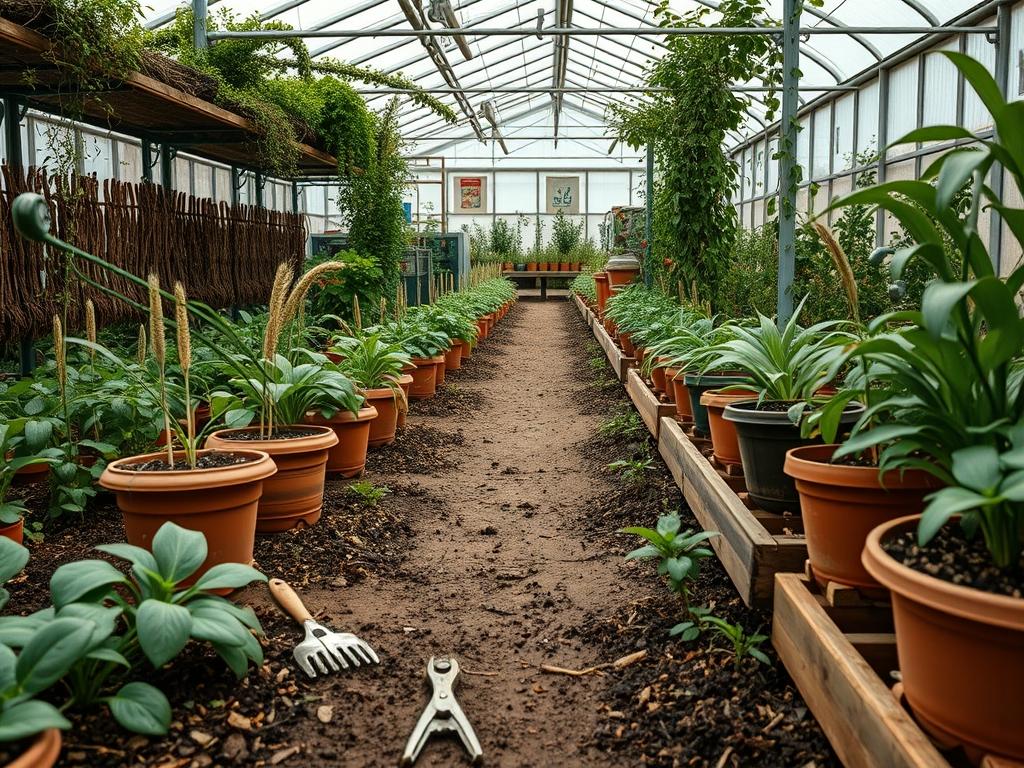
Integrating ancient grains like Khorasan wheat into a modern residential or estate landscape requires a sophisticated shift from traditional ornamental thinking to a more functional, agrarian-inspired aesthetic. The primary challenge facing a landscape architect in this context is the transition from lush, green growth to the golden, dried state necessary for a successful harvest. Homeowners often desire the rustic beauty of a golden field; however, maintaining curb appeal throughout the season requires careful planning of sightlines, borders, and companion plantings. The goal is to create a productive environment where picking ripe Kamut becomes the natural culmination of a well-maintained outdoor space. This process demands a deep understanding of site grading, soil composition, and seasonal timing to ensure the grain reaches maturity without compromising the architectural integrity of the garden.
By viewing a small-scale wheat plot through the lens of landscape design, we can treat the crop as a structural element with unique height and texture. In high-end outdoor environments, these grains act as a rolling sea of bronze and gold that provides movement and sound, which is a rare quality in static landscapes. Success depends on managing the lifecycle of the plant, from the initial spring shoots to the final dry-down phase when the grain is ready for the kitchen or the grain bin. Proper planning ensures that the aesthetic of the landscape remains intentional rather than neglected during the drying phase.
Landscape Design Principles
When designing a landscape that incorporates Kamut, symmetry and focal points serve as the foundation for a professional appearance. Large estate layouts often utilize grain plots as a backdrop for lower-level hardscaping or as a central feature within a parterre garden. To prevent the crop from looking like an overgrown weed patch, use defined borders such as Belgium block or powder-coated steel edging. This creates a sharp visual contrast between the organic, swaying wheat heads and the rigid lines of the walkways.
Elevation layering is another critical principle. We typically plant Khorasan wheat in the mid-to-rear sections of a planting bed because it can reach heights of 48 inches. Placing lower-height perennials like Salvia or Russian Sage in the foreground ensures that the view remains balanced even as the wheat stalks begin to bow under the weight of the ripe grain. Furthermore, irrigation planning must be zoned separately from the rest of the landscape. While ornamental flowers may require consistent moisture, wheat needs a period of drying to reach the “hard dough” stage required for picking ripe Kamut.
Visual balance is achieved by repeating the texture of the grain in other areas of the garden. Using similar-looking ornamental grasses, such as Karl Foerster feather reed grass, in nearby containers can bridge the gap between the purely decorative and the productive areas of the yard. This creates a cohesive narrative across the entire outdoor environment.
Plant and Material Selection
| Plant Type | Sun Exposure | Soil Needs | Water Demand | Growth Speed | Maintenance Level |
| :— | :— | :— | :— | :— | :— |
| Kamut Khorasan | Full Sun | Well-Drained Loam | Low to Moderate | Moderate | Medium |
| Blue Fescue | Full Sun | Sandy/Rocky | Very Low | Slow | Low |
| Creeping Thyme | Full to Part Sun | Poor Soil | Moderate | Fast | Low |
| Buffalo Grass | Full Sun | Diverse/Clay | Very Low | Slow | Very Low |
| Lavender | Full Sun | Alkaline/Sandy | Low | Moderate | Medium |
| English Ivy | Shade to Part Sun | Rich/Moist | Moderate | Fast | High |
Selecting the right companions for your grain plot determines the success of the harvest. We recommend using native grasses to provide a buffer zone that protects the wheat from high winds. If the wheat is grown in a primary visual field, the soil must be amended with organic compost to ensure the stalks remain strong enough to support the heavy, bearded heads characteristic of this ancient variety.
Implementation Strategy
The process begins with professional grading to ensure a 1 to 2 percent slope away from the grain bed. Wheat is highly susceptible to root rot; therefore, any standing water will terminate the crop before it reaches the picking stage. Once the site is leveled, we install drainage tiles or a French drain if the topography suggests heavy runoff during spring rains.
After the infrastructure is in place, the soil must be prepared using a tiller or a power harrow to create a fine, crumbly seedbed. We recommend sowing the seeds at a depth of 1.5 to 2 inches for optimal root anchorage. To maintain the professional look of the landscape, use a cultipacker or a light lawn roller to ensure even seed-to-soil contact, which results in a uniform “green carpet” effect during the early growth stages.
As the wheat matures, the landscape architect must plan the harvest access. We design flagstone walkways or crushed gravel paths that bisect the wheat plot. This allows the owner to enter the field to test the grain for ripeness without trampling the surrounding vegetation. If you are aiming for a sustainable approach, keeping the residue mulch on the soil after the harvest will provide nitrogen for the next season’s plantings.
Common Landscaping Failures
The most frequent error in agrarian landscaping is improper irrigation management. Many homeowners use a single irrigation zone for both their lawn and their wheat. This leads to lodging, a condition where the wheat stalks become heavy and fall over due to excessive moisture and weak root systems. Once wheat “lodges,” it is nearly impossible to harvest, and it quickly begins to rot on the damp ground.
Soil compaction is another silent killer of high-quality grains. In areas of the yard that see high foot traffic, the soil becomes too dense for the delicate root systems of Kamut to penetrate. This results in stunted growth and small, underdeveloped grain heads. We solve this by installing permanent edging and clear pathways to direct traffic away from the planting zones.
Finally, many fail to account for the “transition period.” As the wheat dries, it turns brown. If the landscape design does not include evergreen or late-blooming perennials to distract the eye, the garden can look dead for several weeks. A professional strategy involves interspersing Evergreen Boxwoods or Holly to maintain structure during the drying phase of the wheat.
Seasonal Maintenance
Spring maintenance focuses on weed suppression and nitrogen application. We use a pre-emergent herbicide or heavy organic mulching in the early weeks to ensure the wheat outcompetes invasive species. As the temperatures rise, the architect should inspect the irrigation heads to ensure they are not spraying directly onto the developing grain heads, which can cause fungal issues like fusarium head blight.
Summer is the most critical time for monitoring. Picking ripe Kamut typically occurs in late July or August. You must watch for the color change from a vibrant green to a pale, buttery gold. The best method for picking is the thumbnail test. Press your nail into a grain kernel; if it is hard and does not leave a deep indent, it is ready. If it is still milky or soft, it needs more time in the sun. Use a hand scythe or bypass loppers for a clean cut that preserves the straw for use as garden mulch.
Autumn involves clearing the plot and preparing the soil for a dormant period. If you are in a temperate climate, you might plant a cover crop like clover to prevent erosion during winter. Winter maintenance is minimal, focusing primarily on protecting the hardscape elements from frost heave and ensuring that the retaining walls around the grain beds are not being undermined by melting snow.
Professional Landscaping FAQ
How do I know the wheat is ready for harvest?
The grain is ready when the stalks turn completely golden and the kernels are too hard to bite through easily. You can also perform a “snap test” on the dry stem; it should break cleanly rather than bend.
Can I grow Kamut in a small backyard?
Yes, Kamut can be grown in any space that receives at least six to eight hours of direct sunlight. Using a raised bed with cedar siding and well-draining soil is an excellent way to manage a smaller crop effectively.
What is the best way to prevent the wheat from falling over?
Ensure the soil is not over-fertilized with nitrogen, which causes rapid, weak growth. Additionally, planting the grain in a location with a natural windbreak, such as a stone wall or hedgerow, will provide necessary structural protection.
Is Kamut considered an ornamental grass?
While it is an edible grain, its tall stature and striking “beards” on the seed heads make it a favorite for high-end landscape designers looking for a unique, textural element that changes beautifully with the passing of the seasons.
How much water does the wheat need during the summer?
Once the plant has flowered and the grains begin to fill, you should significantly reduce watering. This “dry-down” period is essential for the grain to harden properly and prevents the growth of mold within the tightly packed seed heads.