
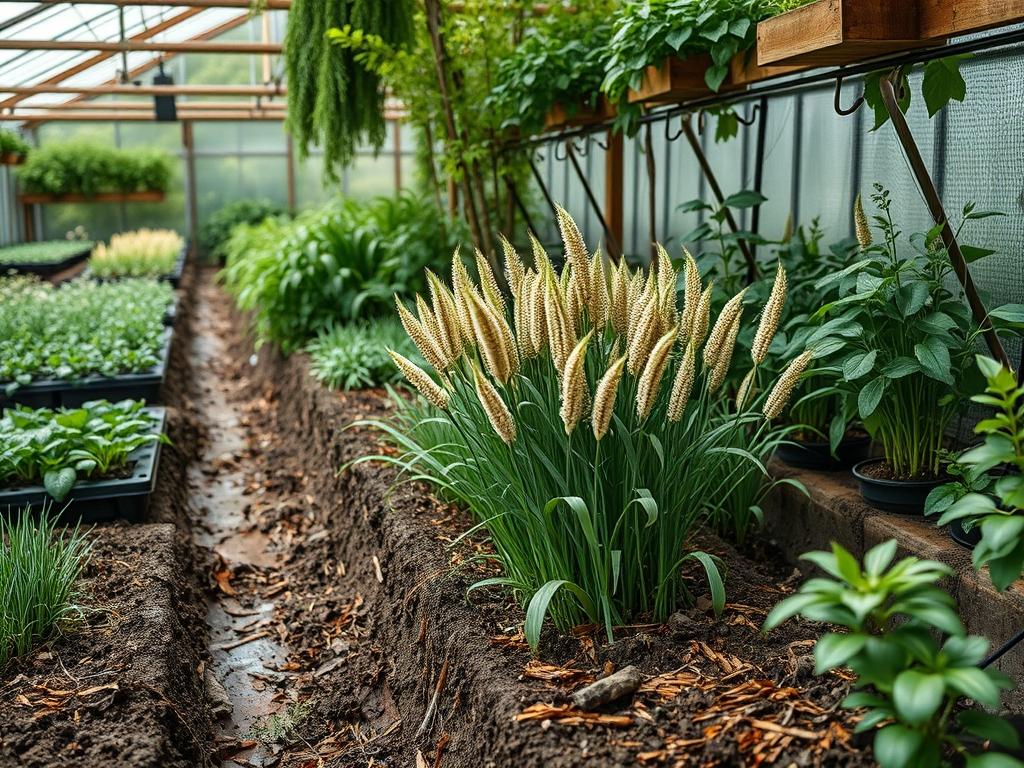
Developing a high performance landscape requires more than simply choosing aesthetic flora; it demands a deep understanding of the lifecycle of every species introduced to the soil. For modern outdoor environments, utilizing a cereal grain like Triticale serves multiple functional purposes, ranging from erosion control to providing a textural, golden backdrop in late spring. Incorporating this wheat-rye hybrid into a professional landscape design offers a unique challenge in timing. Knowing the precise moment for harvesting garden triticale is essential for maintaining curb appeal and ensuring the soil remains prepared for the next phase of the planting cycle. When grain stalks are left past their prime, they can collapse, creating a messy appearance that detracts from the clean lines of a well architected garden. Conversely, an early harvest provides the designer with high quality biomass that can be repurposed as a nutrient rich mulch or aesthetic straw for pedestrian pathways.
In terms of outdoor functionality, triticale acts as a structural anchor during the transition between winter and early summer. Its deep root systems stabilize the soil, which is particularly beneficial in areas with significant elevation changes or where new grading has recently been completed. A landscape architect must view this crop as a temporary biological tool. The harvest represents the conclusion of its functional utility and the beginning of a new visual era for the garden. If the goal is a sleek, minimalist aesthetic, the grain must be removed the moment it reaches the appropriate maturity to prevent volunteer sprouting in subsequent seasons. On more expansive estates, the golden hue of mature triticale provides a rustic, pastoral contrast to manicured lawns and rigid hardscaping, but this beauty is fleeting. Failure to identify the harvest window results in grain shattering, where seeds fall to the ground and disrupt the planned symmetry of the surrounding ornamental beds.
Landscape Design Principles
Successful garden planning relies on the balance of symmetry and focal points to guide the eye through the outdoor space. When integrating tall grasses or grains like triticale, the landscape architect must consider elevation layers. Positioning higher stalks in the rear of a border ensures that the visual weight of the grain does not overwhelm smaller, delicate perennials. Creating these layers allows for a dynamic shift in color and texture as the grain progresses from a vibrant, cool season green to a sun bleached tan. Symmetry is maintained by planting the grain in structured drifts or defined geometric polygons, rather than scattered patches, which can appear accidental or neglected.
Irrigation planning is another pillar of professional design that directly impacts the harvest. Triticale requires consistent moisture during its initial growth phase, but the water demand drops significantly as the grain matures. A well designed landscape will feature separate zones for high water ornamentals and drought tolerant grains. This prevents the grain from developing fungal issues that can occur if it is overwatered during the ripening stage. Furthermore, the placement of walkways must allow for easy access to the grain beds without compacting the soil. Using crushed limestone or decomposed granite for paths provides a stable surface for the equipment needed to cut and remove the grain when it reaches the hard dough stage.
Visual balance is achieved by contrasting the verticality of the triticale stalks with horizontal elements such as retaining walls or low-profile groundcovers. These hardscape features provide a permanent frame for the seasonal movement of the grain. As the triticale nears harvest, its stalks become stiff and hollow. This texture should be paired with soft leafed plants like Hostas or Lavender to create a sensory experience that changes with the wind. The sound of rustling grain adds an auditory dimension to the landscape, further enhancing the functionality of the outdoor living space as a retreat from the urban environment.
Plant and Material Selection
Selecting the right materials for a landscape involves more than just picking plants; it requires a cohesive strategy that accounts for soil chemistry and sunlight. The following table outlines standard selections for a diverse, structured garden environment.
| Plant Type | Sun Exposure | Soil Needs | Water Demand | Growth Speed | Maintenance Level |
| :— | :— | :— | :— | :— | :— |
| Triticale | Full Sun | Loamy/Well-Drained | Moderate | Fast | Low to Medium |
| Dwarf Fountain Grass | Full to Partial Sun | Sandy/Loam | Low | Moderate | Low |
| Creeping Thyme | Full Sun | Rocky/Well-Drained | Very Low | Slow | Very Low |
| Japanese Maple | Partial Shade | Rich/Acidic | Moderate | Slow | Medium |
| Blue Star Creeper | Partial Sun | Moist/Damp | Moderate | Fast | Medium |
| Boxwood Hedge | Full Sun to Shade | Neutral/Clay | Moderate | Slow | High |
Implementation Strategy
The transition from a design on paper to a physical landscape requires a meticulous implementation strategy. The first step involves professional grading to ensure that water moves away from the foundation of the home and toward designated drainage areas. For grain crops, the sub-grade should be loosened to a depth of 8 inches to allow for deep root penetration. After grading, the site is defined with edging materials such as weathering steel or tumbled stone. These edges serve as a barrier, preventing the triticale from migrating into nearby turf areas or mulched ornamental zones.
Once the beds are prepared, a layer of organic compost is integrated into the top 3 inches of soil. For triticale, sowing usually occurs in the autumn for a late spring harvest. The seeds should be distributed at a rate of 3 pounds per 1000 square feet to ensure a dense, weed suppressing canopy. As the grain grows, the focus shifts to mulch management. A 2 inch layer of shredded cedar mulch or pine bark should be applied around the perimeter of the stalks but kept away from the immediate base of the grain to prevent crown rot.
Hardscaping elements, such as stone pavers or concrete retaining walls, should be installed prior to the final planting. These structures provide the “bones” of the garden, remaining constant as the triticale is harvested and replaced with summer annuals. Drainage is maintained through the use of French drains or catch basins hidden beneath the aesthetic surface. This ensures that even during heavy spring rains, the grain stalks do not sit in standing water, which would compromise the quality of the harvest and the health of the surrounding ecosystem.
Common Landscaping Failures
One of the most frequent mistakes in grain-integrated landscaping is poor drainage. If the soil becomes saturated and oxygen is excluded from the root zone, the triticale will yellow prematurely and may succumb to root rot. This not only destroys the aesthetic value of the crop but also leaves the soil in a foul, anaerobic state that is difficult to remediate. Compaction is another significant issue; heavy foot traffic or the use of heavy machinery during the construction phase can crush the soil structure. Without pore space, the grain cannot access the nutrients required to reach the hard dough stage, resulting in stunted, brittle stalks.
Improper spacing and root overcrowding also lead to failure. While a dense stand of triticale is desirable for weed suppression, over seeding can lead to thin, weak stalks that cannot support the weight of the grain heads. These stalks are prone to lodging, or falling over, after a windstorm. When the grain lies flat on the ground, it becomes a magnet for pests and mold, ruining the curb appeal of the entire property. Irrigation inefficiencies, such as using an overhead sprinkler system for grains, can also cause problems. Water hitting the heavy grain heads can cause them to sag and promotes mildew. Professional systems should use drip irrigation or soaker hoses to deliver water directly to the soil surface.
Seasonal Maintenance
Landscape management is a year round commitment that changes with the seasons. In the spring, the primary focus for triticale is monitoring for the “milky stage” of development. This is a critical indicator for the upcoming harvest. Designers must also inspect the irrigation system for leaks and adjust timers as temperatures rise. This is the ideal time to apply a balanced, slow release fertilizer to the surrounding ornamental plants to support their peak growing season.
Summer is the season of the harvest. You can tell when harvesting garden triticale is ready by the “fingernail test.” Press a thumbnail into a grain kernel; if the kernel is hard and leaves no dent, or only a very slight one, the crop is ready for removal. Once the stalks are cut at the base using sickles or mechanical trimmers, the area should be cleared of debris. The remaining stubble can be tilled back into the soil to improve organic matter, or the beds can be replanted with heat tolerant species like Zinnias or Salvia. In autumn, the focus shifts to soil preparation for the next cycle. This involves clearing dead annuals, dividing perennials, and applying a fresh layer of mulch to protect root systems from the upcoming frost. Winter maintenance is primarily about protecting the hardscape and ensuring that the drainage systems remain clear of fallen leaves and ice buildup.
Professional Landscaping FAQ
How do I know the triticale is ready for an aesthetic harvest?
When the stalks turn a uniform golden straw color and the grain heads bow slightly under their own weight, the crop has reached peak visual maturity. The kernels should feel firm and dry to the touch, indicating they will not mold.
Can I use triticale harvest debris as garden mulch?
Yes, the harvested stalks are excellent for mulch once dried. Ensure they are shredded to a consistent size of 1 to 2 inches to prevent them from blowing away and to allow for better water infiltration into the soil.
What is the best tool for a small scale landscape harvest?
A sharp hand sickle or scythe provides the most control for a clean, surgical harvest in small beds. For larger estate sections, a string trimmer with a brush blade attachment can be used, though it creates a less uniform cut.
How does triticale harvest affect the soil pH?
Harvesting the grain itself is relatively neutral, but tilling the remaining green matter back into the soil can slightly increase acidity as it decomposes. It is wise to perform a soil test annually to ensure the pH remains between 6.0 and 7.0.
Will squirrels or birds disrupt my triticale landscape?
Wildlife may be attracted to the maturing grain. To maintain the professional look of the landscape, consider harvesting as soon as the grain reaches the hard dough stage. This minimizes the time the seed heads are available as a food source.