
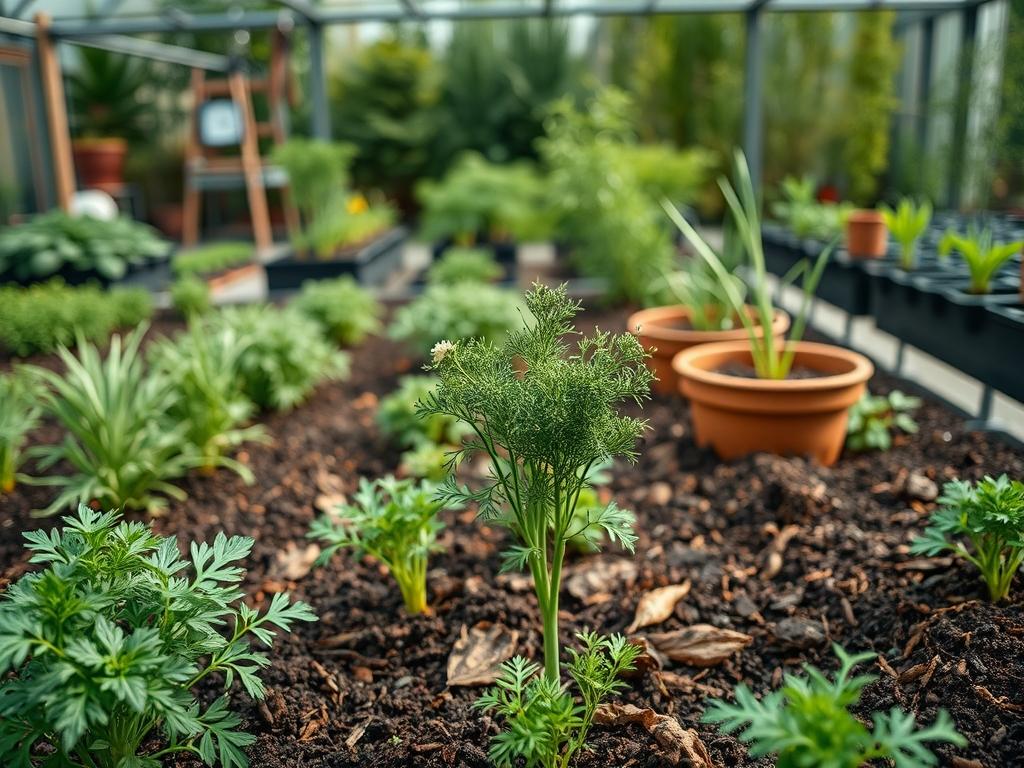
Integrating functional edible plants into a high-end residential landscape requires an understanding of both botanical requirements and visual harmony. When a property owner expresses interest in picking fresh dill, the landscape architect must view the plant not merely as a culinary herb, but as a textural specimen that contributes to the property’s overall curb appeal and ecological health. The fine, feathery foliage of Anethum graveolens offers a delicate softness that contrasts beautifully against the rigid lines of stone retaining walls or the heavy textures of boxwood hedges. Success in this dual-purpose design depends on strategic placement within the garden’s microclimates, ensuring the plant receives the thermal stability it needs to produce both flavorful fronds and viable seeds.
Planning the landscape layout for an herb-inclusive environment involves managing the transition between structured hardscaping and the more organic, “billowy” appearance of flowering dill. Because dill can reach heights of 36 to 48 inches, it serves as an excellent mid-background layer in a perennial border. When the plant reaches maturity, its large yellow umbels create a focal point that attracts beneficial pollinators, such as swallowtail butterflies, which enhances the outdoor living experience. To maximize the utility of the garden for picking fresh dill, architects prioritize accessibility. Placing these beds near the outdoor kitchen or along elevated flagstone walkways allows for convenient harvesting without the need to traverse wet turf or compacted mulch.
Landscape Design Principles
Modern landscape design relies on the principle of layering to create depth and visual interest. In a garden optimized for picking fresh dill, we treat the plant as an ephemeral vertical element. Symmetry can be achieved by flanking a garden gate with balanced clusters of dill, though a more naturalistic approach often suits the plant’s airy habit. We typically group dill in “drifts” rather than single rows to create a more significant visual impact and to provide physical support for the slender stalks.
Elevation plays a critical role in the drainage strategy for these beds. Dill requires exceptionally well-drained soil to prevent root rot, which is why we often design raised planters or tiered garden beds using pressure-treated timber or natural fieldstone. Additionally, the irrigation plan must be precise. While many ornamental shrubs thrive under overhead spray, dill is best served by subsurface drip irrigation. This delivery method keeps the feathery foliage dry, reducing the risk of fungal pathogens and ensuring that when you are picking fresh dill, the leaves are clean and healthy. Visual balance is maintained by pairing the tall, thin stalks with low-growing, dense groundcovers like creeping thyme or sedum, which hide the “legginess” that occurs as the dill plant matures toward its seeding stage.
Plant and Material Selection
The following table outlines the specifications for selecting dill varieties and complementary landscape materials for a cohesive estate design.
| Plant Type | Sun Exposure | Soil Needs | Water Demand | Growth Speed | Maintenance Level |
| :—: | :—: | :—: | :—: | :—: | :—: |
| Bouquet Dill | Full Sun | Sandy Loam | Moderate | Fast | Low |
| Mammoth Dill | Full Sun | Compost Enriched | Moderate | Fast | Medium |
| Fernleaf Dill | Full Sun | Well-Drained | Low-Moderate | Medium | Low |
| Cedar Mulch | N/A | Weed Suppression | Low | N/A | Seasonal |
| Limestone Edging| N/A | Hardscape Support | Low | N/A | Very Low |
Implementation Strategy
The construction of a garden designed for picking fresh dill begins with site grading. Proper grading ensures that excess rainwater flows away from the root zones and toward established French drains or bioswales. Once the topography is set, we define the borders using heavy-duty steel edging or stone masonry to prevent turf grass from encroaching into the herb beds.
The soil profile should be amended with approximately 3 inches of organic compost tilled to a depth of 8 inches. This provides the nutrient density required for rapid foliage growth. When planting, we suggest staggered spacing of 12 inches between specimens to allow for air circulation. After the seedlings are established, a 2-inch layer of finely shredded bark mulch is applied. This mulch depth is sufficient to regulate soil temperature and moisture without burying the crown of the plant. For the harvesting strategy, clients are instructed to begin by picking fresh dill leaves from the outer edges of the plant once it reaches 8 inches in height. For seed collection, the central flower head, also known as the umbel, must be left to transition from yellow to a dry, tan color. This staged approach allows for a continuous harvest of greens followed by a late-season seed bounty.
Common Landscaping Failures
One of the most frequent mistakes in residential herb landscaping is soil compaction. High-traffic areas near the harvest zone often lead to compressed earth, which suffocates the delicate taproots of the dill plant. We solve this by installing stepping stones or decomposed granite paths to concentrate weight on durable surfaces. Another failure involves improper spacing. Because dill is an annual that seeds prolifically, it can quickly overwhelm a small space if not managed.
Irrigation inefficiencies also plague many garden designs. Many homeowners overwater, leading to yellowing foliage and a loss of essential oils in the plant. Furthermore, root overcrowding by aggressive perennials can outcompete the dill for nitrogen. It is vital to ensure that neighboring plants, such as lavender or sage, have similar water requirements but do not physically shade out the sun-loving dill. Finally, many gardeners fail to provide wind protection. Heights of 4 feet make Mammoth Dill susceptible to lodging, or falling over, during summer storms. Integrating the dill behind a low-profile boxwood hedge or a decorative wrought iron trellis provides the necessary structural support.
Seasonal Maintenance
Seasonal management is the key to a landscape that looks intentional year-round. In the spring, the focus is on soil preparation and the first round of direct-sowing seeds. Since dill does not transplant well due to its long taproot, we recommend clearing the previous year’s mulch and sowing directly into the warmed soil. Early spring is also the time to inspect irrigation emitters for clogs to ensure consistent moisture during the germination phase.
During the summer, picking fresh dill becomes a weekly task to encourage the plant to produce more foliage. This is the peak season for monitoring pests like aphids or tomato hornworms, which are best managed through integrated pest management techniques rather than harsh chemicals. As autumn approaches, the landscape architect shifts focus to seed preservation. The flower heads are allowed to mature and are then bagged to collect the seeds before they self-sow across the entire lawn. In winter, the spent stalks are cleared, and the beds are topped with a fresh layer of leaf mold or compost to protect the soil structure until the next growing cycle begins.
Professional Landscaping FAQ
When is the optimal time for picking fresh dill leaves?
The best time for harvesting leaves is early morning before the heat of the day. Focus on the young, feathery fronds before the plant begins to flower, as this is when the essential oils and flavor profiles are most concentrated.
How do I collect seeds without ruining the garden’s appearance?
Wait until the flower umbels turn brown and dry on the stalk. To maintain aesthetic order, place small perforated paper bags over the heads. This contains the seeds while they finish drying, preventing a messy broadcast across your paved walkways.
Does dill require specific types of landscape mulch?
Yes, use a light, organic mulch like shredded cedar or pine straw. Avoid heavy rock mulches, which can trap excessive heat and reflect sun, potentially scorching the delicate foliage during the peak of a hot summer season.
Can I grow dill in stone containers on my patio?
Absolutely. Large terracotta or concrete planters provide excellent drainage. Ensure the containers are at least 12 inches deep to accommodate the taproot. This placement also makes picking fresh dill incredibly convenient for homeowners who enjoy cooking outdoors.
What are the best companion plants for dill in a formal landscape?
Dill pairs exceptionally well with marigolds, alyssum, and zinnias. These species share similar sun and water requirements while providing a dense, colorful “skirt” that hides the bare lower stems of the dill as it matures during the season.