
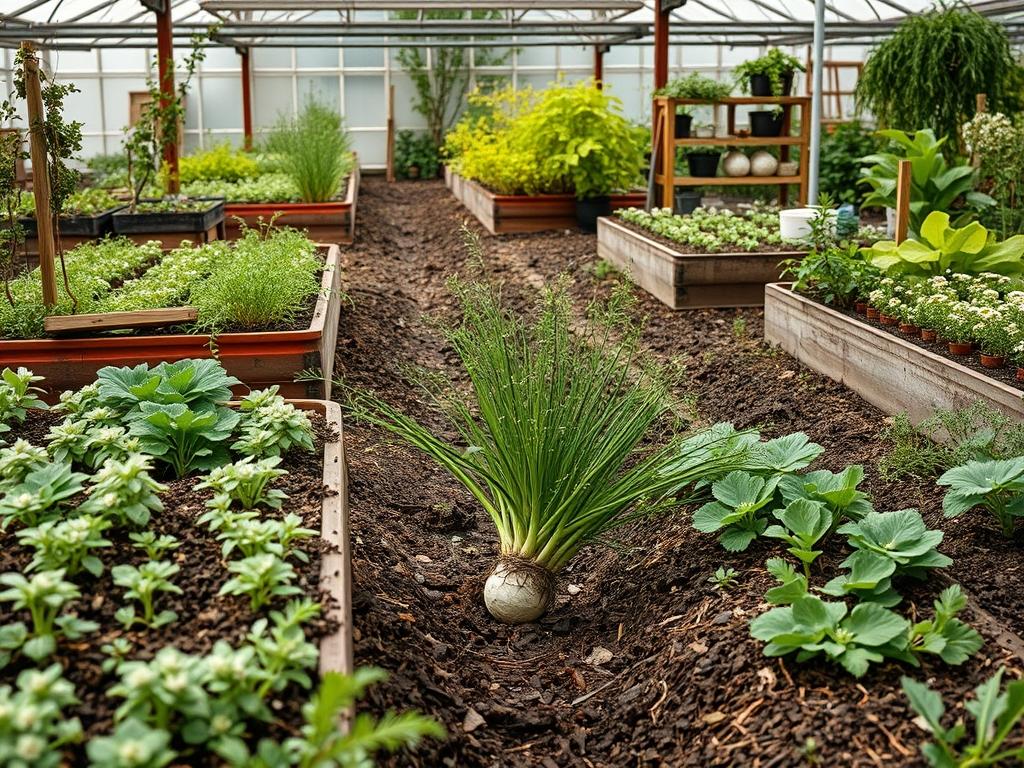
Integrating edible plants into a permanent ornamental landscape requires a sophisticated understanding of both aesthetic transitions and subterranean mechanics. When a designer incorporates Foeniculum vulgare, commonly known as Florence fennel, into a landscape, they are not merely adding a vegetable; they are introducing a structural element that provides height, texture, and ecological value. The challenge lies in the dual nature of the plant. To the architect, it is a feathery, bronze or green backdrop that softens hardscapes. To the gardener, it is a crop characterized by its crisp, aromatic base. Achieving the goal of harvesting garden fennel while maintaining the health of neighboring ornamental bulbs demands a rigorous approach to site planning, soil management, and spatial coordination. This strategy ensures that the removal of fennel bulbs does not compromise the dormant life cycles of the Tulipa or Narcissus species that share the same soil horizon.
Effective landscape architecture depends on the site’s microclimate and the functionality of each botanical zone. In temperate regions, the transition between spring flowering bulbs and mid-to-late summer fennel harvesting must be seamless to avoid gaps in curb appeal. A well-designed garden bed serves as an outdoor room where functionality meets form. When you prioritize harvesting garden fennel as part of your seasonal workflow, you must also prioritize the protection of the soil structure. Compaction during a late-summer harvest can be detrimental to the next year’s spring display. Proper drainage and the intelligent use of elevations ensure that even when the soil is disturbed during a harvest, the overall integrity of the garden remains intact.
Landscape Design Principles
Symmetry and visual balance are the cornerstones of a professional garden layout. When incorporating fennel, designers often use it as a mid-layer element to bridge the gap between low-lying groundcovers and tall wooden pergolas or stone boundary walls. Because fennel can reach heights of 4 feet to 6 feet, it serves as an excellent tool for creating vertical interest. However, its expansive root system and bulky base require careful placement relative to permanent focal points. Using fennel in a symmetrical pattern along a flagstone walkway can frame a view, but the architect must account for the empty space that will remain once the harvest is complete.
Elevation layers are equally critical. In a professional landscape, we often utilize raised beds or tiered retaining walls to control drainage and soil quality. Placing fennel on a slightly higher elevation than smaller spring bulbs allows for easier harvesting without stepping directly on the delicate crowns of dormant plants. This elevation also highlights the feathery texture of the fennel foliage against the solid, matte finish of materials like bluestone or corten steel. By planning the garden in layers, you ensure that even as the fennel is removed for culinary use, the architectural skeleton of the garden, defined by evergreens and hardscaping, continues to provide visual interest.
Irrigation planning must be integrated into the initial design phase. Fennel requires consistent moisture to develop a thick, succulent bulb, whereas many ornamental bulbs prefer a drier dormancy period during the summer months. To resolve this conflict, a professional consultant will recommend zoned drip irrigation. By placing emitters specifically at the base of the fennel plants and utilizing a separate zone for the perennial bulb beds, you can satisfy the fennel’s water demand without risking the rot of neighboring species. This precision is what separates a haphazard garden from a professional landscape environment.
Plant and Material Selection
The following table outlines the technical specifications for plants commonly integrated with fennel to create a high-performance garden bed.
| Plant Type | Sun Exposure | Soil Needs | Water Demand | Growth Speed | Maintenance Level |
| :— | :— | :— | :— | :— | :— |
| Florence Fennel | Full Sun | Rich, Loamy | High | Fast | Moderate |
| Alliums | Full Sun | Well-Drained | Low (Summer) | Medium | Low |
| Tulips | Full Sun/Part Shade | Sandy/Loamy | Moderate | Fast (Spring) | High |
| English Lavender | Full Sun | Gritty/Alkaline | Very Low | Slow | Low |
| Creeping Thyme | Full Sun | Poor/Well-Drained | Low | Fast | Very Low |
| Ornamental Grass | Full Sun | Adaptive | Variable | Medium | Low |
Implementation Strategy
Planning a layout that facilitates harvesting garden fennel begins with the grading process. Ensure the site has a 2 percent slope away from building foundations to prevent water pooling. Once the grade is established, define your borders using steel edging or pressure-treated timber. This creates a clean line between the active garden beds and the turf or transit areas. For the soil, incorporate a mix of 70 percent native soil and 30 percent organic compost. This ratio provides the nutrient density required for bulb development while maintaining the drainage necessary for plant health.
When planting, space your fennel at least 12 inches apart. This spacing allows the base to expand without crowding neighboring plants. If you are interplanting with spring bulbs, place the bulbs at a depth of 6 inches and the fennel starts at the same level as their nursery containers. As the season progresses, apply a 3-inch layer of hardwood mulch or pine bark. This mulch serves three purposes: it suppresses weed competition, retains moisture for the fennel, and protects the soil surface from the heat of the sun.
As the time for harvesting garden fennel approaches, usually when the bulb reaches the size of a tennis ball, use a sharp garden knife or a hand trowel. Carefully loosen the soil on only one side of the plant to minimize disturbance to the surrounding area. Avoid using large shovels that might slice through dormant tulip or daffodil bulbs buried nearby. After the harvest, backfill the hole immediately with fresh compost and a handful of slow-release fertilizer to replenish the site for the next planting cycle.
Common Landscaping Failures
One of the most frequent mistakes in residential landscaping is poor drainage management. When gardeners prioritize the high water needs of fennel, they often inadvertently create a bog-like environment that kills the very ornamental bulbs they spent hundreds of dollars to install. Standing water is the enemy of the bulb garden. If the soil remains saturated for more than 24 hours after rain or irrigation, the risk of fungal pathogens increases exponentially. Always perform a perk test before finalizing your landscape plan to ensure the subsoil can handle the required water volume.
Root overcrowding is another common failure. Fennel has a vigorous root system that can easily outcompete smaller perennials for nutrients and space. If planted too densely, the fennel bulbs will be stunted and fibrous, and the neighboring plants will show signs of chlorosis or stunted growth. Proper spacing, as determined by the plant’s mature width, is non-negotiable. Furthermore, many hobbyists ignore soil compaction. Walking through the garden beds during the harvest compresses the soil pores, cutting off oxygen to the roots. Use stepping stones or permanent walkways to ensure your weight is distributed across hard surfaces rather than the delicate planting medium.
Seasonal Maintenance
Spring maintenance focuses on clearing debris and monitoring the emergence of bulbs. As the soil warms, apply a light application of nitrogen-rich fertilizer to support the early growth of fennel seedlings. This is also the time to check your irrigation lines for leaks or clogs. Ensure that the water delivery is targeted and efficient before the summer heat arrives.
Summer is the primary season for growth and harvesting garden fennel. Consistency is the goal. Monitor the moisture levels daily, especially during heatwaves. If you notice the fennel starting to bolt, or send up a flower stalk, harvest the bulb immediately, as the flavor and texture will degrade rapidly once the plant shifts into its reproductive phase. After harvesting, clean up any fallen foliage to prevent the spread of pests like aphids or slugs.
Autumn transitions the garden into a state of dormancy. This is the ideal window for planting new ornamental bulbs for the following spring. Since the fennel has likely been harvested, the soil is already loose and primed for new additions. Incorporate bone meal into the planting holes to encourage strong root development before the ground freezes. Winter maintenance is largely passive; however, adding a fresh layer of mulch can prevent frost heaving, which can push bulbs out of the ground during freeze-thaw cycles.
Professional Landscaping FAQ
How do I know when the fennel is ready for harvest?
Harvest your fennel when the base reaches approximately 3 inches in diameter. The bulb should be firm and white. Use a sharp knife to cut the plant just above the soil line or pull the entire root system if replanting.
Can I grow fennel in the same bed as tulips every year?
Yes, but you must practice crop rotation or soil replenishment. Fennel is a heavy feeder. Adding organic compost after each harvest ensures that the soil remains nutrient-dense enough to support both the fennel and the recurring spring bulbs.
What is the best way to prevent soil compaction during harvest?
Install permanent stepping stones or a gravel path through your garden beds. This allows you to reach the fennel for harvesting and maintenance without stepping on the planting area, preserving the soil aeration for your dormant bulbs.
Will fennel self-seed and take over my landscape?
If left to flower, fennel produces thousands of seeds. To prevent it from becoming invasive, harvest the bulbs before they bolt or deadhead the flowers before seeds mature. This maintains the intentional design of your landscape.
Why are my fennel bulbs small and tough?
This is usually caused by water stress or high temperatures. Fennel requires consistent moisture and cooler soil. Using a thick organic mulch and a dedicated drip irrigation system will help produce larger, more tender bulbs for your harvest.