
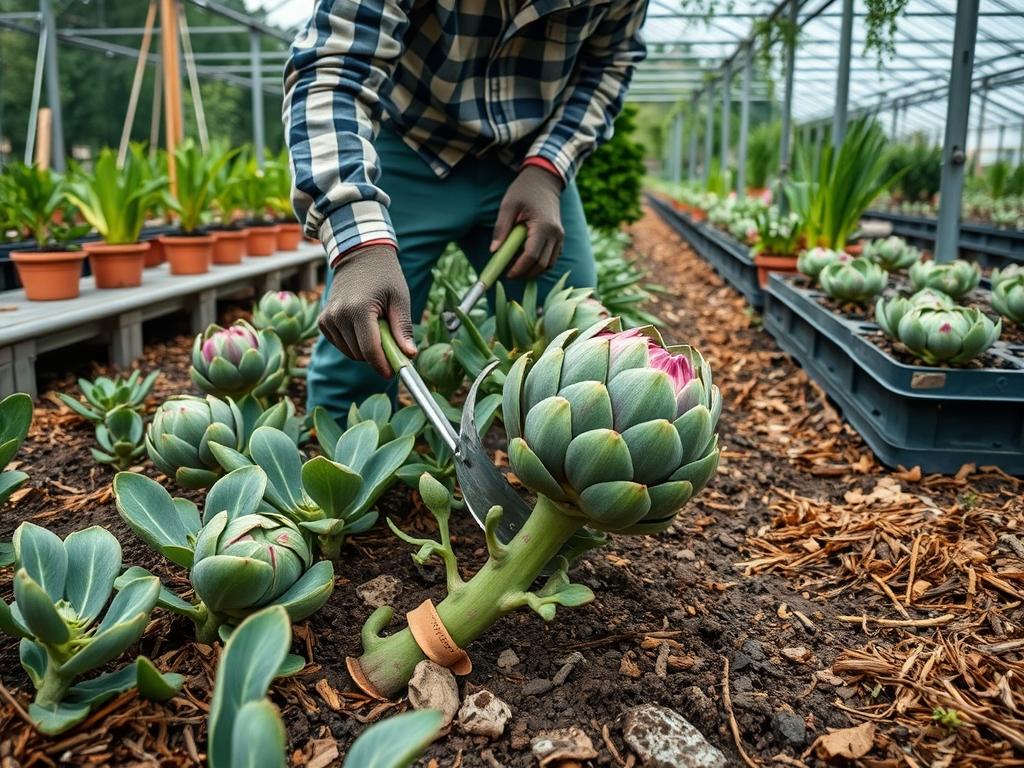
Integrating the architectural stature of the artichoke into a high end residential landscape requires a nuanced understanding of both edible horticulture and structural design. Large, silvery green fronds provide a dramatic textural contrast against traditional manicured turf or dark stone aggregates, making the plant a dual purpose specimen that serves as a focal point while providing a seasonal harvest. For the discerning homeowner, the success of this integration rests on more than just soil health. It involves a strategic placement that considers the plant’s massive four foot spread and its unique reproductive cycle. The primary challenge in these curated environments is identifying the precise moment to harvest before the specimen transitions from a culinary asset to a sprawling, purple flowered thistle. Mastering the art of picking fresh artichokes at the tight bud stage ensures that the landscape maintains its crisp, intentional aesthetic while the kitchen receives the highest quality produce.
Landscape Design Principles
Successful inclusion of artichokes within a formal or transitional landscape relies heavily on the principle of elevation layering. Because these plants can reach heights of nearly five feet, they must be positioned in the mid to rear ground of a planting bed to avoid obscuring smaller perennials or intricate stonework. They function effectively as architectural anchors in a Mediterranean or xeric design, providing a soft, felted texture that complements the rigid lines of basalt retaining walls or limestone walkways.
Symmetry plays a vital role when using artichokes in contemporary garden planning. Placing them in repetitive clusters of three or five creates a sense of rhythm along a property line or a paved path. However, designers must account for the radius of the mature plant. To avoid a cluttered appearance that detracts from the garden’s curb appeal, a minimum spacing of four feet between centers is required. This allows for adequate airflow and ensures that the serrated leaves do not encroach upon pedestrian traffic areas, which can be an overlooked hazard in narrow walkways.
Irrigation planning is perhaps the most critical infrastructure component for these plants. While they are often associated with drought tolerant landscapes, artichokes require consistent moisture to produce tender, edible buds. A dedicated drip irrigation system with emitters placed at the base of each crown ensures deep root hydration without saturating the foliage. This targeted approach prevents the development of fungal pathogens and maintains the plant’s vibrant color throughout the peak growing season.
Plant and Material Selection
| Plant Type | Sun Exposure | Soil Needs | Water Demand | Growth Speed | Maintenance Level |
| :— | :— | :— | :— | :— | :— |
| Green Globe Artichoke | Full Sun | Rich, Well-drained | High | Moderate | High |
| Imperial Star Artichoke | Full Sun | Sandy Loam | Moderate | Fast | Medium |
| Spanish Cardoon | Full Sun / Part Shade | Deep Loam | High | Fast | High |
| Tuscan Rosemary | Full Sun | Gritty, Alkaline | Low | Moderate | Low |
| English Lavender | Full Sun | Well-drained, Poor Soil | Low | Moderate | Medium |
| Pea Gravel (3/4 inch) | N/A | Sub-base required | N/A | N/A | Low |
Implementation Strategy
The transition from a design blueprint to a thriving garden requires precise execution of grading and soil preparation. Begin by assessing the site’s drainage capacity. Artichokes are prone to root rot in heavy clay or stagnant water; therefore, creating a slight elevation or a raised berm is often necessary. A 3 percent grade away from the home’s foundation will prevent water pooling while directing excess moisture toward a designated drainage area or a bioswale.
Once the grading is established, focus on soil amendments. Incorporate a four inch layer of well rotted compost and aged manure to a depth of twelve inches. This rich organic matter provides the nitrogen necessary for the plant’s rapid vegetative growth. After planting your artichoke crowns, apply a three inch layer of organic mulch, such as cedar bark or straw, to regulate soil temperature and suppress weeds.
Edge the garden beds with a clean, hard border like steel or heavy timber to define the transition between the lush greenery and the surrounding hardscape. This creates a professional finish and prevents the expansive leaves from shading out the lawn. For the harvest itself, use a sharp pair of bypass pruners or a serrated knife. When picking fresh artichokes, the tight bud stage is recognized by the bracts being closely pressed against one another. If the bracts have begun to flare open, the vegetable has become overly fibrous and is nearing its flowering stage.
Common Landscaping Failures
The most frequent mistake in landscape integration is improper spacing. Homeowners often underestimate the sheer volume of a mature Green Globe Artichoke. When crowded, the plants compete for nutrients and sunlight, leading to stunted growth and smaller, less flavorful buds. Furthermore, overcrowding limits visibility, making it difficult to spot the precise moment for picking fresh artichokes at their peak.
Irrigation inefficiencies also rank high among common failures. Overhead sprinkling can lead to crown rot and powdery mildew, which quickly ruins the visual appeal of the silver foliage. Designers must prioritize sub surface irrigation. Soil compaction is another silent killer. In high traffic areas, the soil around the root zone becomes compressed, preventing oxygen from reaching the roots. To mitigate this, define clear pathways using walking stones or decomposed granite to keep foot traffic away from the planting beds.
Finally, neglecting the harvest is a significant aesthetic error. Leaving the buds on the plant past the tight stage causes the stalk to become top heavy and prone to leaning. While the purple flowers are stunning, they signal the end of the plant’s productive life for the season and can lead to a messy, unkempt appearance in an otherwise formal garden.
Seasonal Maintenance
Spring is the primary season for growth and vigilant observation. As the weather warms, monitor the central stalk for the emergence of the primary bud. This is the largest bud and the first one you will harvest. Identifying the tight bud stage involves a simple tactile test; the globe should feel firm and heavy, and it should produce a slight squeaking sound when squeezed gently.
During the summer, after the primary and secondary buds have been harvested, the plant may enter a semi dormant state in hotter climates. Increase mulch depth to five inches to protect the shallow root system from extreme heat. If you have chosen to let a few buds flower for their ornamental value, be prepared to prune the stalks back to the ground once the color fades to maintain a clean landscape profile.
In autumn, clear away any dead or yellowing leaves to prevent pests like aphids and snails from overwintering in the debris. In colder zones, the crown should be heavily insulated with a layer of mulch and evergreen boughs to protect it from frost. Winter maintenance is minimal, but ensures the plant’s survival for the following year’s production cycle.
Professional Landscaping FAQ
How do I know when to harvest for the best flavor?
Focus on the bracts at the tip. For picking fresh artichokes, the scales must be tightly closed and the bud should be approximately the size of a large orange. If the bracts are spreading outward, the heart is likely turning woody.
Can I use artichokes in a small urban garden?
Yes, but you should treat them as a singular focal point rather than a mass planting. Use a large weathered terracotta pot or a dedicated masonry planter to contain the root system and provide the necessary elevation for the dramatic foliage.
What is the best way to prevent drainage issues?
Construct a raised planting bed at least eighteen inches high. Fill it with a mixture of topsoil, coarse sand, and organic compost. This ensures that the root crown stays dry even during heavy seasonal rainfall or consistent irrigation cycles.
Which plants pair best with artichokes for curb appeal?
Low growing, drought tolerant herbs like Prostrate Rosemary or Thyme create a beautiful ground cover beneath the tall artichoke leaves. The contrasting textures of the fine herb foliage and the broad artichoke fronds provide a professional, layered look.
How do I handle the plant after the final harvest?
Once the harvest season concludes, cut the entire stalk down to about two inches above the soil line. This encourages the plant to direct its energy back into the root system and the development of new side shoots for next year.