
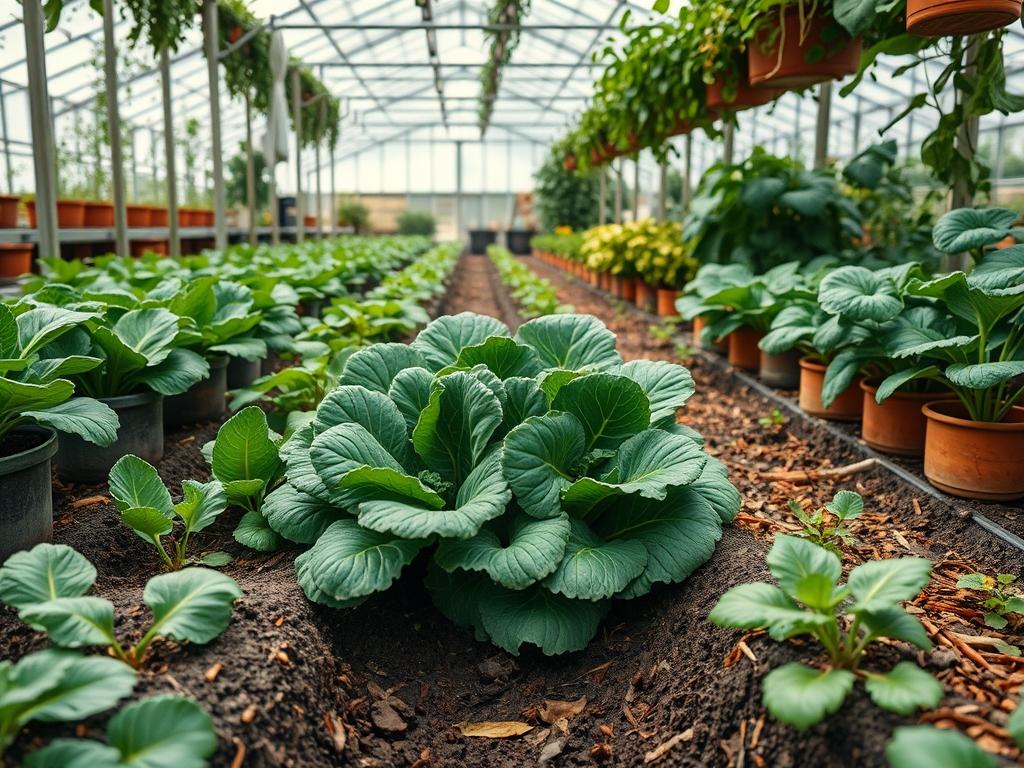
Integrating edible vegetation into a high-end residential landscape requires a delicate balance between utilitarian productivity and aesthetic sophistication. While many homeowners relegate vegetables to hidden back corners, the sculptural form of collard greens offers a unique opportunity to enhance narrow borders or formal parterres. Achieving the ideal harvest through the process of frost-sweetening is not merely a botanical trick; it is an exercise in precise environmental management. When a landscape architect approaches the challenge of picking fresh collard greens, they must consider how the late-season microclimate of the property influences plant physiology. The arrival of the first frost triggers a chemical transformation within the leaf tissue, converting complex starches into simple sugars. This natural antifreeze mechanism improves the flavor profile significantly, making the crop a seasonal highlight. However, without a properly graded site and a robust drainage plan, the transition from late autumn to early winter can lead to root rot or ice damage, compromising both the health of the plants and the visual continuity of the garden.
Effective outdoor environment consulting relies on creating a space that functions year-round. This means the transition between the vibrant growth of summer and the stark, structured beauty of winter must be seamless. By treating large-leafed brassicas as structural elements rather than temporary fillers, a designer can maintain curb appeal even as other perennials go dormant. The deep blue-green hues and ruffled textures of the foliage provide a stark contrast against light-colored natural stone paving or decomposed granite walkways. To successfully integrate these elements, one must move beyond simple planting and into the realm of site engineering. This involves evaluating the elevation of planting beds, the efficiency of existing irrigation systems, and the solar orientation of the site to ensure that the low-hanging winter sun reaches the foliage.
Landscape Design Principles
A professional landscape layout thrives on order and intentionality. When planning for a crop that peaks in the colder months, symmetry serves as a stabilizing force. Placing collard greens in repeating patterns or as a border for a central focal point, such as a tiered fountain or a large-scale urn, creates a sense of permanence. This formal arrangement prevents the garden from looking neglected during the off-season. Elevation layers are equally critical. By utilizing retaining walls or raised masonry beds, a designer can lift the vegetation closer to eye level while ensuring that the root zones remain well-drained during heavy autumn rains.
Proper walkways should facilitate easy access for picking fresh collard greens without compacting the surrounding soil. A 24-inch wide path of flagstone or pavers allows the homeowner to move through the space comfortably even when the ground is damp. Visual balance is achieved by pairing the coarse texture of the large leaves with finer-textured companions. Consider the juxtaposition of structural greens against the wispy remains of ornamental grasses or the rigid lines of boxwood hedges. This layering creates a multi-dimensional experience that draws the eye through the landscape, highlighting the intentionality behind every placement. Irrigation planning must also adapt to the winter cycle. While water demand drops, the system must be designed to prevent pipes from freezing, often requiring the installation of automated drain valves or deep-buried mainlines.
Plant and Material Selection
| Plant Type | Sun Exposure | Soil Needs | Water Demand | Growth Speed | Maintenance Level |
| :— | :— | :— | :— | :— | :— |
| Collard Greens | Full Sun | Rich Loam | Moderate | Medium | Low |
| Japanese Yew | Partial Shade | Well-Drained | Low | Slow | Moderate |
| Winter Rye | Full Sun | Sandy/Clay | Low | Fast | Low |
| Ornamental Cabbage| Full Sun | Loamy | Moderate | Medium | Moderate |
| Creeping Thyme | Full Sun | Gritty/Dry | Low | Medium | Low |
| Hardwood Mulch | N/A | Weed Suppressant| N/A | N/A | Annual Refill |
Implementation Strategy
The process begins with thorough site preparation. Gradual grading is the first technical step, ensuring that the topography directs surface runoff away from the root zones. A slope of 2 percent is generally sufficient to prevent pooling without causing erosion. Once the grade is established, the use of steel edging or tumbled brick borders defines the transition between the planting beds and the lawn or walkways. This crisp line is essential for maintaining a high-end appearance throughout the winter.
After the structural boundaries are set, the focus shifts to soil health. A landscape architect will often specify a blend of aged compost, river sand, and topsoil to create a medium that is both nutrient-rich and porous. When planting for the purpose of frost-sweetening, spacing is paramount. Give each plant at least 18 to 24 inches of room to allow for air circulation, which reduces the risk of fungal issues during humid late-autumn mornings.
Once the plants are in the ground, apply a 3-inch layer of hardwood mulch or pine straw. This serves several functions. It regulates soil temperature, preventing the rapid freeze-thaw cycles that can heave plants out of the ground. It also keeps the lower leaves clean, which is a practical consideration for the homeowner who plans on picking fresh collard greens for the kitchen. For irrigation, a drip line system buried beneath the mulch is the most efficient method. This delivers water directly to the roots and keeps the foliage dry, further mitigating disease risks during the cold months.
Common Landscaping Failures
The most frequent mistake in winter-focused landscaping is improper drainage management. When water is allowed to stagnate around the base of the plants, it can freeze into a solid block, suffocating the roots and causing cellular collapse. This often occurs when owners neglect to clear debris from catch basins or forget to check the pitch of their French drains.
Another common failure involves root overcrowding. In an attempt to create an immediately “full” look, many designers plant too densely. As the plants reach maturity, they compete for limited light and nutrients, leading to leggy, weak specimens that cannot withstand a heavy frost. Similarly, soil compaction from heavy foot traffic or improper use of heavy machinery during the construction phase can lead to “starvation” of the root zone, where water and oxygen cannot penetrate the hard earth.
Irrigation inefficiencies also take a toll. Many homeowners turn their systems off entirely in the autumn; however, plants still need consistent moisture to maintain the turgor pressure necessary to survive freezing temperatures. A plant that is dehydrated will suffer significantly more damage from a hard freeze than one that is well-hydrated. Finally, failing to use high-quality landscape fabric under paths can result in weed infestation that competes with the primary crop, ruining the clean lines of the design.
Seasonal Maintenance
Spring maintenance involves the removal of any winter-killed foliage and the application of a slow-release nitrogen fertilizer to jumpstart the next growth cycle. This is also the time to inspect retaining walls for any shifting caused by soil expansion. As summer approaches, the focus shifts to irrigation monitoring and pest management. Using neem oil or an insecticidal soap can help manage common brassica pests like cabbage looyers without introducing harsh toxins into the edible landscape.
In autumn, the priority is preparation for the frost. This includes deepening the mulch layers and ensuring the irrigation controller is adjusted for shorter days. This is the prime time for picking fresh collard greens as the temperatures begin to dip. The sweetening process is most effective after two or three light frosts, usually occurring when overnight lows hit 28 to 32 degrees Fahrenheit.
Winter management is about protection and harvest. If a deep freeze below 20 degrees Fahrenheit is forecasted, a temporary row cover or frost blanket can be used to protect the structural integrity of the leaves. During this time, the gardener should also prune back surrounding perennials that have turned brown to keep the landscape looking intentional rather than dead.
Professional Landscaping FAQ
How does frost affect the flavor of the harvest?
Cold temperatures trigger a survival response where the plant converts starch into sugar. This process acts as a natural antifreeze, significantly enhancing the sweetness and tenderness of the leaves before picking fresh collard greens for culinary use.
What is the best way to prevent soil erosion in winter?
Utilizing a combination of hardwood mulch and structural edging keeps soil in place. For sloped areas, incorporating creeping groundcovers or native grasses provides a living root matrix that secures the topsoil during heavy winter rains.
Can I grow these plants in containers for curb appeal?
Yes, large stone or ceramic planters provide excellent drainage and elevation. Ensure the containers are frost-rated to prevent cracking. Use a high-quality potting mix and monitor moisture levels closely, as pots dry out faster than the ground.
What tools are essential for late-season garden maintenance?
A sharp pair of bypass pruners is vital for clean harvests. A hand trowel is necessary for checking soil moisture beneath the mulch, while a stiff-bristled broom helps keep walkways clear of organic debris and autumn leaves.
Why is drainage more important in winter than summer?
In summer, excess water often evaporates. In winter, stagnant water can freeze, expanding and damaging root structures or masonry. Properly installed grading and perforated drainage pipes ensure that water exits the site before it can cause structural harm.