
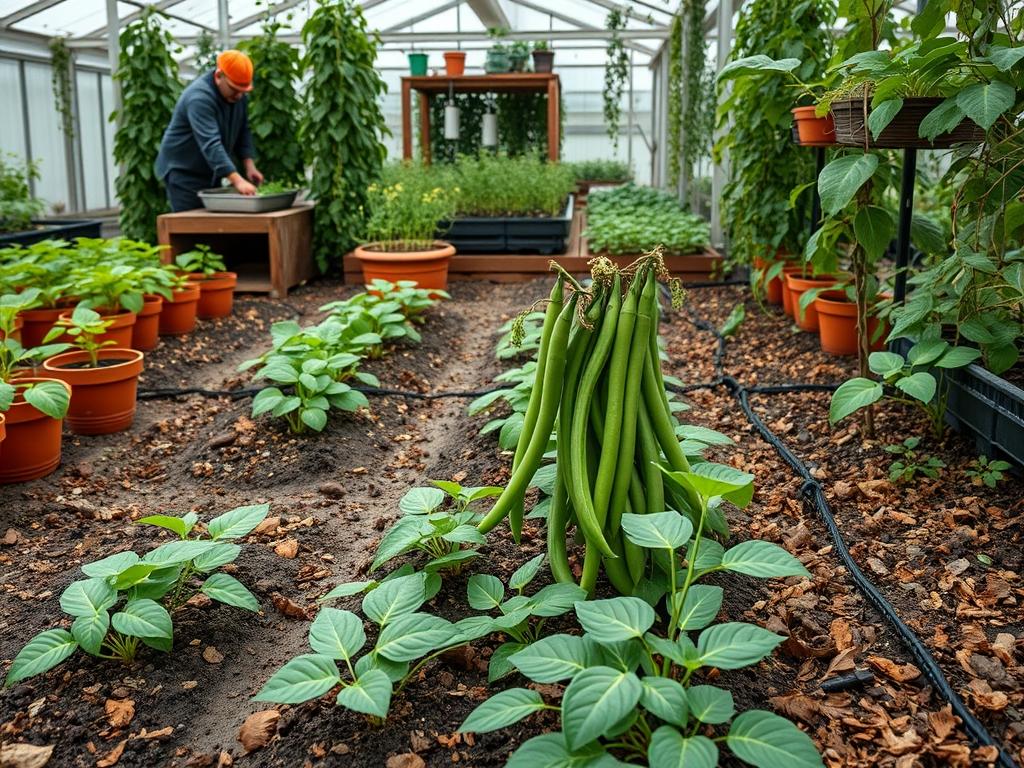
Integrating edible crops into a high-end landscape design requires a delicate balance between utility and aesthetics. When we approach the challenge of Picking Fresh Kidney Beans, we are not simply looking at a harvest task; we are managing the final stage of a seasonal cycle that involves soil health, vertical architecture, and site functionality. A well-designed landscape should facilitate the movement from the garden bed to the storage area without compromising the curb appeal or the structural integrity of the outdoor living space. To achieve this, a landscape architect must consider the microclimate of the site, ensuring that the heavy foliage of Phaseolus vulgaris does not become an eyesore or a pest magnet. The goal is to create a multi-functional environment where the transition from cultivation to curation is seamless and efficient.
Effective outdoor planning for legumes involves understanding the spatial requirements of the plant and the logistical needs of the gardener. Kidney beans require significant sun exposure and specific soil drainage to thrive, which often necessitates the use of Retaining Walls or elevated beds to manage moisture levels. If the site is prone to erosion or lacks natural slope, we must implement Grading strategies to prevent water from pooling around the root systems. This prevents the pods from rotting before they reach peak maturity. By treating the bean patch as a focal point within a structured Potager Garden, we can enhance the overall visual harmony of the backyard while preparing for a successful yield.
Landscape Design Principles
Symmetry serves as the foundation for any professional landscape that incorporates edible elements. By utilizing a grid-based layout for your bean rows, you create a sense of order that mirrors the formal lines of the home architecture. This layout also makes the act of Picking Fresh Kidney Beans much easier, as it allows for clear access paths. We often recommend using Gravel Pathways or Slate Stepping Stones at a width of at least 36 Inches to allow for wheelbarrow access without damaging the soil structure. These paths should be bordered by Steel Edging or Pressure-Treated Timber to keep the transition between the walking surface and the organic planting area crisp and defined.
Visual balance is further achieved through the use of elevation layers. Kidney beans are prolific climbers, reaching heights of 6 to 8 feet depending on the variety. Utilizing architectural Cedar Trellises or Wrought Iron Obelisks provides the necessary vertical support while acting as focal points in the landscape. These structures draw the eye upward, breaking the monotony of low-lying shrubs and groundcovers. Furthermore, irrigation planning must be integrated into the initial design. A Drip Irrigation System with pressure-compensated emitters ensures that water is delivered directly to the root zone, keeping the foliage dry and reducing the risk of fungal diseases that can compromise the crop during the drying and storage phases.
Plant and Material Selection
Selecting the right components for your edible landscape involves more than just picking a bean variety; it requires a holistic view of the ecosystem. The following table outlines the material and botanical requirements for a professional-grade kidney bean installation.
| Plant or Material Type | Sun Exposure | Soil Needs | Water Demand | Growth Speed | Maintenance Level |
| :— | :— | :— | :— | :— | :— |
| Kidney Bean (Bush) | Full Sun | Well-drained Loam | Moderate | Fast | Low |
| Kidney Bean (Pole) | Full Sun | Rich Organic Matter | High | Very Fast | Moderate |
| French Marigold | Full Sun | Average | Low | Moderate | Low |
| Cedar Trellis | N/A | Ground Contact Rated | N/A | N/A | Minimal |
| Shredded Bark Mulch | N/A | N/A | N/A | N/A | Annual Refresh |
| Drip Tubing (0.5 inch) | N/A | N/A | N/A | N/A | Seasonal Check |
Implementation Strategy
The successful implementation of a garden designed for Picking Fresh Kidney Beans begins with site analysis and Grading. We must ensure the area has a 2 percent slope away from the home foundation to manage runoff. Once the grade is established, we lay down a layer of Landscape Fabric under the permanent pathways to suppress weeds. The planting beds should be enriched with Organic Compost and tilled to a depth of 12 inches to promote deep root penetration. We then install the Edging to define the boundaries of the production zone.
After the hardscaping is in place, we address the vertical elements. Pole beans require sturdy support, so we anchor 4×4 Cedar Posts into the ground using Crushed Stone for drainage rather than concrete, which can leach lime into the soil and affect the pH levels. For storage preparation, a designated “curing station” should be planned within the landscape. This might include a covered Pergola or a well-ventilated garden shed where kidney beans can be hung to dry. Proper airflow is the most critical factor in safely storing your crop after Picking Fresh Kidney Beans; therefore, the storage structure should be situated in a part of the yard that catches prevailing winds but remains protected from direct rainfall.
Common Landscaping Failures
One of the most frequent mistakes in edible landscaping is poor drainage management. Kidney beans are highly susceptible to “wet feet,” which leads to root rot and poor yield. If a landscape designer fails to account for soil compaction, the beans will struggle to absorb nutrients, and the pods will lack the density required for long-term storage. Using a Broadfork to aerate the soil without overturning the delicate microbiological layers is a professional technique that avoids this compaction.
Another failure is improper spacing of the Trellis systems. If the beans are planted too densely, the lack of airflow creates a microclimate of high humidity. This is a recipe for white mold and powdery mildew. When you are Picking Fresh Kidney Beans, you may find that the pods are soft or discolored if the spacing was not maintained at a minimum of 3 to 4 inches between plants. Furthermore, irrigation inefficiencies, such as using overhead sprinklers, can lead to water-borne pathogens. A professional landscape always prioritizes Sub-surface Irrigation to keep the harvest clean and dry, making the storage process much safer.
Seasonal Maintenance
Landscape management is a year-round commitment that changes with the light and temperature. In the Spring, the focus is on soil preparation and the installation of Slow-Release Fertilizers. We check the Drip Lines for leaks and ensure that the Trellis structures are still plumb and secure after the winter frost heaves. This is the time to sow your seeds, ensuring they are placed at a depth of 1 to 1.5 inches.
During the Summer, the priority shifts to moisture monitoring and pest management. We maintain a 3-inch layer of Mulch to regulate soil temperature. As the beans reach maturity in late summer, the process of Picking Fresh Kidney Beans begins. Once the pods have yellowed and feel brittle on the vine, they are ready for harvest. In the Autumn, after the crop is safely stored, we focus on garden sanitation. Removing all spent plant material is vital to prevent pests like the bean leaf beetle from overwintering in the soil. Finally, in the Winter, we protect the hardscape. We drain the irrigation system to prevent burst pipes and apply a fresh layer of Compost to the beds, allowing the nutrients to settle over the snowy months.
Professional Landscaping FAQ
What is the best material for bean supports?
Cedar and Wrought Iron are superior to plastic because they provide better grip for tendrils and withstand environmental stressors. Cedar also offers natural rot resistance, making it ideal for permanent edible landscape installations.
How do I prevent soil erosion in my bean beds?
Utilize Timber Edging or Stone Retaining Walls to terrace the slope. Planting a cover crop like Clover in the off-season also helps hold the soil together and adds nitrogen, which benefits the next bean crop.
What is the ideal path material for a bean garden?
Decomposed Granite or Crushed Pea Gravel provides a stable, permeable surface. These materials allow for excellent drainage while giving the garden a clean, professional aesthetic that is easy to maintain with a simple rake.
Does mulch depth affect kidney bean yield?
Yes, a depth of 2 to 3 inches is ideal. Too little mulch allows the soil to dry out too quickly, while too much can create a habitat for slugs that will damage the pods before harvest.
Can I grow kidney beans in containers?
While possible, large-scale storage crops are better suited for Raised Beds or in-ground gardens. If using containers, ensure they are at least 12 inches deep and have a dedicated Trellis to support the heavy vine weight.