
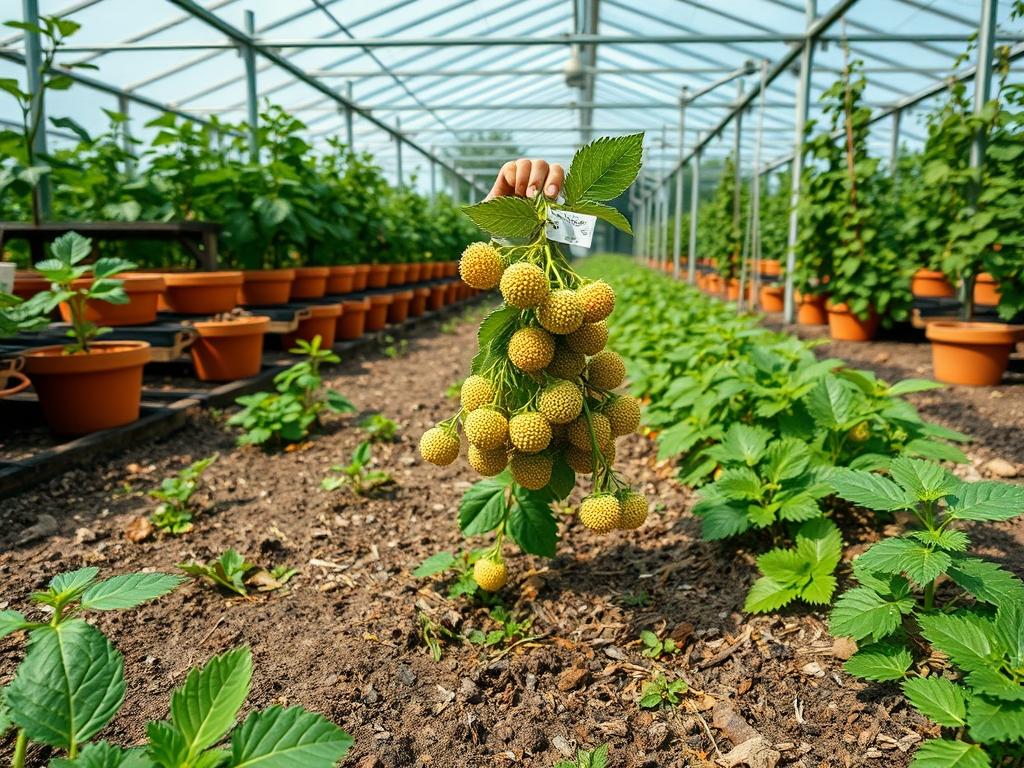
Integrating productive shrubs like the Gooseberry (known botanically as Ribes uva-crispa) into a cohesive residential landscape requires a delicate balance between utility and aesthetics. As a landscape architect, I view these plants not merely as fruit producers but as structural elements that contribute to the seasonal narrative of a property. While many homeowners select cultivars for their flavor, the architectural placement of the shrub often dictates the success of the harvest and the longevity of the garden design. The primary challenge lies in the physical nature of the plant itself. Most traditional varieties are armed with sharp spines that can make maintenance a taxing endeavor. Consequently, Picking Fresh Gooseberries requires great care, which should be reflected in how the surrounding environment is shaped. We must consider the accessibility of the plant, the width of adjacent walkways, and the elevation of the planting beds to ensure that the process of interacting with the shrub is both safe and rewarding.
From a curb appeal perspective, the Gooseberry offers a lush, lobed foliage that transitions through various shades of green before dropping in the autumn. However, because these plants are susceptible to fungal issues in stagnant air, they cannot be crowded into tight corners or hidden behind larger evergreens. A professional landscape plan accounts for these airflow requirements by utilizing strategic spacing and companion planting. We must design for the mature spread of the shrub, which often reaches 3 to 4 feet in height and width. By placing them on the periphery of a functional outdoor living space, such as a stone patio or a gravel terrace, we create a transition zone between the formal garden and the more wild, productive areas of the yard. This ensures the fruit is within reach but the thorny branches do not impede the flow of traffic during social gatherings.
Landscape Design Principles
Successful integration of fruit-bearing shrubs hinges on several core principles: symmetry, focal points, and elevation layering. In a formal garden, Gooseberries can be trained as standards, which are small, tree-like forms that elevate the fruiting canopy. This architectural choice is excellent for symmetry, as a pair of standards can frame a doorway or an entrance to a kitchen garden. Elevating the plant not only creates a sophisticated focal point but also simplifies the harvest. When the fruiting wood is at waist height, Picking Fresh Gooseberries becomes an ergonomic task rather than a chore requiring constant bending.
Irrigation planning is another critical design layer. These shrubs possess shallow root systems that do not tolerate extreme drought or standing water. A professional layout incorporates a drip irrigation system with pressure-compensating emitters to deliver moisture directly to the soil surface. This prevents the foliage from getting wet, which is the primary cause of American gooseberry mildew. Furthermore, the design should utilize elevation to its advantage. Placing these shrubs on a slight incline or in a raised sleeper bed ensures that excess water drains away from the crown, preserving the health of the root zone and the quality of the fruit.
Plant and Material Selection
Selecting the right materials and companion plants is essential for creating a low-maintenance environment that supports the growth of Ribes. The following table outlines the specifications for a typical gooseberry-centric landscape installation.
| Plant or Material | Sun Exposure | Soil Needs | Water Demand | Growth Speed | Maintenance Level |
| :— | :— | :— | :— | :— | :— |
| Gooseberry (Invicta) | Full Sun to Part Shade | Loamy, pH 6.0-6.8 | Moderate to High | Medium | Moderate |
| Red Currant | Full Sun | Rich Organics | Moderate | Medium | Low |
| Lavender | Full Sun | Sandy/Well-Drained | Low | Fast | Low |
| Cedar Bark Mulch | N/A | N/A | N/A | N/A | Low |
| Flagstone Pavers | N/A | N/A | N/A | N/A | Very Low |
| Nitrogen-Rich Compost | N/A | Organic Matter | N/A | N/A | Moderate |
Implementation Strategy
The implementation phase begins with precise site grading. Before any plants are installed, the land must be contoured to facilitate proper drainage. If the soil is heavy clay, we typically incorporate gypsum and expanded shale to improve porosity. Once the grade is established, the layout of the walkways is marked using landscape stakes and string lines. For a garden where Picking Fresh Gooseberries is a priority, we recommend a minimum path width of 36 inches. This allows a gardener to move comfortably with a harvest basket and leather gloves without brushing against the thorns.
After the hardscaping is in place, the planting holes are excavated to twice the width of the root ball. We enrich the backfill with well-rotted manure and a handful of bone meal to encourage root establishment. Edging is then installed to define the beds and prevent turf grass from encroaching on the fruit shrubs. A heavy-duty steel edge or a stacked stone border provides a clean, professional finish. Finally, we apply a 3-inch layer of wood chips or shredded bark mulch. This mulch layer is vital: it suppresses weeds, retains moisture, and provides a clean surface for any fruit that might drop during the picking process. It also creates a visual contrast that makes the bright green or deep red berries pop against the landscape.
Common Landscaping Failures
One of the most frequent mistakes in residential fruit landscaping is root overcrowding. Homeowners often underestimate the mature size of the Gooseberry and plant them too close to fences or other shrubs. This restricts airflow and creates a breeding ground for pests like the sawfly. Proper spacing, usually 4 to 5 feet between plants, is non-negotiable for a healthy harvest. Another common failure is the use of overhead sprinklers. As mentioned previously, wet foliage leads to fungal diseases. If a landscape relies on a traditional spray head system, the shrubs should be moved to a separate zone with bubblers or drip lines.
Soil compaction is another silent killer of garden productivity. During construction or hardscaping, heavy machinery can crush the soil structure, preventing oxygen from reaching the roots. We always recommend aerating the soil or using air-spade technology if compaction is detected. Lastly, many neglect the specific acidity requirements of the soil. While Gooseberries are adaptable, they will struggle in highly alkaline environments. Regular soil testing and the application of elemental sulfur may be necessary to maintain the ideal pH of 6.5.
Seasonal Maintenance
Maintaining a professional landscape requires a chronological approach. In late winter, while the plants are still dormant, pruning is the priority. We use bypass pruners to remove old wood and thin out the center of the bush. This open-vase shape is crucial for Picking Fresh Gooseberries because it allows the light to reach the interior fruit and makes the berries easier to see and reach. In the spring, a balanced slow-release fertilizer should be applied just as the buds begin to swell.
Throughout the summer, moisture management is the primary focus. If the soil dries out completely, the berries may shrivel or drop prematurely. Autumn is the time for sanitation; removing fallen leaves and spent mulch helps prevent disease spores from overwintering. In the winter, we check the integrity of the retaining walls and walkways, ensuring that frost heave hasn’t compromised the structural elements of the garden. By following this seasonal cycle, the landscape remains a functional and beautiful asset to the home.
Professional Landscaping FAQ
How much space does a Gooseberry bush need?
For optimal health and ease of harvest, provide a diameter of 4 to 5 feet. This allows for sufficient airflow and prevents the thorny branches from obstructing nearby paths or other plantings in your garden layout.
What is the best mulch for fruiting shrubs?
A 3-inch layer of organic cedar or pine bark mulch is ideal. These materials regulate soil temperature and moisture while slowly breaking down to improve the soil structure, which is essential for Picking Fresh Gooseberries in the heat of summer.
Can I grow Gooseberries in containers on a patio?
Yes, use a 20-inch diameter pot with excellent drainage holes. Choose a standard-trained shrub or a compact variety. Ensure the container is placed on pot feet to prevent staining your pavers and to allow for proper drainage.
Why are my gooseberries falling off before they ripen?
The most common causes are irregular watering or a sudden spike in temperature. Ensure your irrigation system is consistent. Applying a shade cloth during extreme heat waves can also protect the delicate fruit from sunscald and premature drop.
How do I protect my harvest from birds?
Installing a lightweight bird netting over a permanent timber frame is the most effective professional solution. Ensure the netting is taut so birds do not get tangled, and allow for easy access when Picking Fresh Gooseberries.