
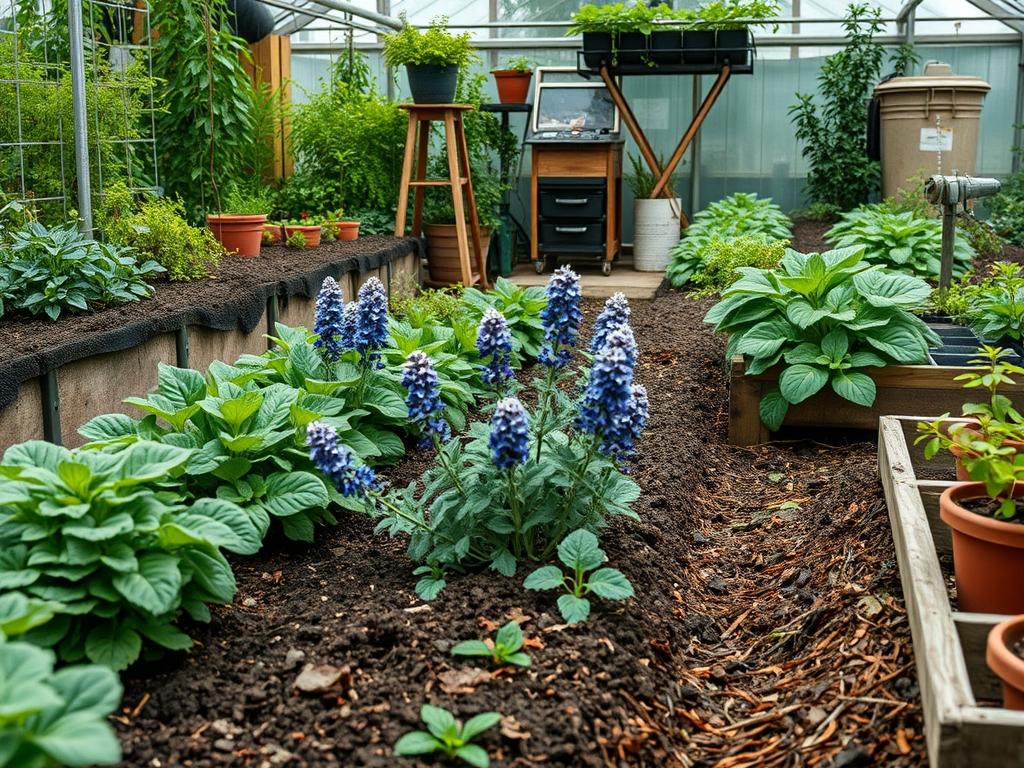
The incorporation of edible flora into a structured landscape requires a delicate balance between untamed productivity and refined aesthetics. Many homeowners desire the utility of a kitchen garden but fear the disorganized appearance often associated with self-seeding herbs. Borage, known botanically as Borago officinalis, presents a unique landscaping challenge due to its rapid growth and slightly sprawling habit. However, when managed through professional design principles, this plant becomes a focal point that enhances curb appeal while providing a steady supply of cucumber-flavored blooms. Successfully harvesting garden borage involves more than just plucking flowers; it requires an environmental strategy that considers climate resilience and regional soil conditions. By treating the herb as a structural element rather than a messy afterthought, designers can create a multi-functional outdoor space that serves both the kitchen and the visual landscape.
Landscape Design Principles
Effective landscape architecture relies on the intelligent application of symmetry and focal points to guide the eye. When integrating Borage, designers should utilize it in the middle tier of a planting bed to mask its lower, often prickly stems with shorter, cleaner border plants like Boxwood or Liriope. This layering creates a sense of elevation that prevents the garden from looking flat or two-dimensional. Symmetry is achieved by mirroring Borage clusters on either side of a central walkway or stone path, which lends a formal air to an otherwise wild-growing species.
A central focal point, such as a tiered fountain or a granite sundial, can be anchored by the vibrant blue hues of the Borage flower. This draws attention away from the seasonal fluctuations of the foliage and toward the intended design arc. Furthermore, irrigation planning must be integrated into the initial layout. Subsurface drip irrigation is preferred over overhead spraying to keep the delicate, hairy leaves dry, reducing the risk of powdery mildew while ensuring the plant reaches its full 3-foot height. Walkways should be wide enough to accommodate the outward lean of the plant, typically requiring a 4-foot minimum width for comfortable passage without snagging clothing on the bristly stems.
Plant and Material Selection
Selecting the right companions and substrate materials is essential for a low-maintenance, high-yield edible landscape. The following table outlines the requirements for Borage and its ideal landscape partners.
| Plant Type | Sun Exposure | Soil Needs | Water Demand | Growth Speed | Maintenance Level |
| :— | :— | :— | :— | :— | :— |
| Borage | Full Sun | Well-drained | Moderate | Rapid | Moderate |
| English Lavender | Full Sun | Sandy/Gritty | Low | Moderate | Medium |
| Winter Gem Boxwood | Full to Part Sun | Loamy | Medium | Slow | Low |
| Creeping Thyme | Full Sun | Poor to Average | Low | Fast | Low |
| Rosemary | Full Sun | Well-drained | Low | Moderate | Low |
For the hardscaping elements, use weathered steel edging or tumbled Belgian block to create clean lines between the turf and the planting beds. These materials provide a stark, professional contrast to the soft, airy texture of the flowers. A high-quality hardwood mulch should be used to regulate soil temperature and suppress the heavy self-seeding tendencies of the herb.
Implementation Strategy
The transition from a blueprint to a physical garden requires careful attention to site preparation. Begin by grading the area to ensure a 2 percent slope away from any permanent structures or retaining walls. This prevents water from pooling around the base of the plants, which can lead to root rot. If the site has heavy clay soil, incorporate organic compost and expanded shale to a depth of 12 inches to improve aeration and drainage.
Once the grade is established, install your edging materials to define the geometry of the space. Lay down a 2-inch layer of coarse sand if you are installing a paver walkway to ensure stability. When planting, space the Borage starts approximately 18 to 24 inches apart. This spacing allows for adequate airflow and room for the gardener to access the center of the plant for harvesting. After the plants are in the ground, apply 3 inches of shredded cedar mulch, keeping it a few inches away from the main stalks to prevent fungal issues. For those harvesting the blooms for culinary use, ensure that no chemical pesticides or non-organic fertilizers are used within the vicinity of the edible zones.
Common Landscaping Failures
One of the most frequent mistakes in edible landscaping is improper drainage management. Borage has a deep taproot that can tolerate some drought, but it will quickly perish in anaerobic, waterlogged soil. Homeowners often omit French drains or catch basins in low-lying areas, leading to garden failure during heavy spring rains. Another common issue is root overcrowding. Because Borage grows so quickly, it can easily outcompete slower-growing Evergreens or Perennials if not given enough physical territory.
Improper spacing often leads to a lack of sunlight for the interior of the plant, causing the lower leaves to yellow and drop, which ruins the curb appeal. Furthermore, soil compaction from heavy foot traffic can stifle the root system. Designers should always include designated stepping stones or paths within the beds to allow for maintenance and harvesting without compressing the earth. Finally, inefficient irrigation, such as using high-pressure oscillating sprinklers, can damage the delicate blue petals and make the harvest less desirable for garnishing.
Seasonal Maintenance
Maintenance is a year-round commitment that shifts with the life cycle of the garden. In the spring, focus on soil testing and the application of a slow-release organic fertilizer. As the Borage begins its rapid ascent, use velcro plant ties or bamboo stakes to support stems that may lean toward the sun. This keeps the landscape looking intentional and prevents plants from flopping over walkways.
Summer is the primary season for harvesting garden borage. To maintain a tidier look, deadhead the spent blooms regularly. This encourages the plant to produce more flowers and prevents it from dropping thousands of seeds that will clutter the garden next year. During autumn, pull the remaining plants after the first hard frost. Since they are annuals, they will not survive the winter, and removing the debris prevents pests from overwintering in the garden. In the winter months, focus on hardscape repair and tool maintenance. Sharpen your pruning shears and inspect retaining walls for any shifting caused by freeze-thaw cycles. This proactive approach ensures the cycle can begin again with a clean, professional canvas in the spring.
Professional Landscaping FAQ
How do I prevent borage from taking over my entire garden?
Use steel edging to create a physical root barrier and apply a thick layer of mulch. Most importantly, deadhead the flowers before they drop seeds. This containment strategy ensures the plant remains a decorative element rather than an invasive weed.
What is the best time of day to harvest the flowers?
Harvest the blue star-shaped blooms in the early morning after the dew has evaporated but before the heat of the day. This timing ensures the petals are turgid, vibrant, and possess the highest concentration of essential oils for culinary use.
Can I grow borage in a raised planter for aesthetic purposes?
Yes, Borage performs exceptionally well in raised stone planters. The elevated position allows the stems to cascade slightly over the edges, creating a softening effect on the hardscaping while providing excellent drainage for the plant’s sensitive root system.
Is borage compatible with native pollinator garden designs?
Absolutely. It is a premier nectar source for honeybees and native bumblebees. Integrating it alongside Purple Coneflower and Native Sage creates a high-functioning ecosystem that supports local biodiversity while maintaining a high-end, professional aesthetic.
Will borage recover if it is pruned back heavily mid-summer?
If the plant becomes too leggy or unkempt, you can prune it back by one-third using bypass pruners. It typically responds with a fresh flush of foliage and new blooms within two weeks, provided it receives adequate water and nutrients.