
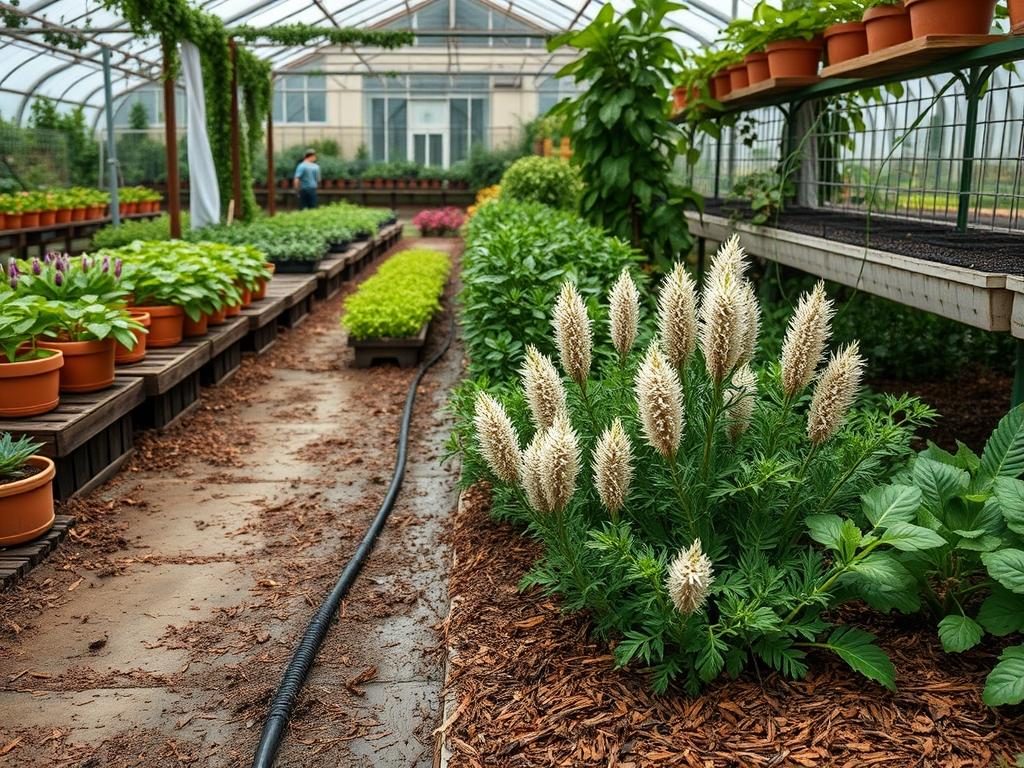
Integrating edible fungi like Lions Mane into a residential landscape represents the pinnacle of multi-functional outdoor design. It transforms underutilized, shaded corridors into productive ecological niches. Most homeowners struggle with deep shade where traditional turf or flowering perennials fail. By designing for the specific microclimates required for Picking Fresh Lions Mane, we address the challenge of low-light aesthetic utility while adding artisanal value to the property. This approach requires an understanding of moisture gradients and air flow, ensuring that the garden serves both as a visual sanctuary and a functional source of nutrient-dense harvest. Proper placement of fungal substrates improves the soil health of surrounding flora, creating a symbiotic relationship that enhances the overall resilience of the landscape. Sustainable landscaping is no longer just about the visual palette; it is about the output and the biological complexity of the outdoor environment.
Landscape Design Principles
Successful mushroom integration requires an architectural approach to shade and moisture. Symmetry plays a vital role in these zones. Use hardwood logs, such as Oak or Beech, to form structured borders along northern-facing walls or beneath heavy tree canopies. These logs serve as the substrate for the fungi while acting as natural bollards that define the walkway. Incorporating focal points like a carved stone basin or a high-quality teak garden bench near the cultivation site encourages interaction with the space. This turns the act of observation and eventual harvest into a scheduled ritual of outdoor engagement.
Elevation layers are critical in a woodland-style garden. At the lowest level, utilize native mosses and low-growing groundcovers to maintain ground-level humidity. The mid-layer should feature the mushroom substrates themselves, either as horizontal logs or vertically buried totems. Above these, high-canopy trees or shade structures regulate the temperature. Visual balance is achieved by mixing the rugged, organic texture of the bark with the soft, ethereal white spines of the maturing Lions Mane. Irrigation planning must be precise. High-pressure misting systems can be discreetly installed along the underside of retaining walls or fence lines to provide the 80 percent humidity levels necessary during the fruiting phase without saturating the surrounding soil to the point of root rot for companion plants.
Plant and Material Selection
| Plant Type | Sun Exposure | Soil Needs | Water Demand | Growth Speed | Maintenance Level |
| :— | :— | :— | :— | :— | :— |
| Lions Mane (Fungi) | Deep Shade | Hardwood Log | High (Misting) | Seasonal | Medium |
| Western Sword Fern | Part/Full Shade | Organic/Acidic | Moderate | Fast | Low |
| Hosta ‘Blue Angel’ | Full Shade | Loamy/Damp | Moderate | Medium | Low |
| Japanese Maple | Dappled Sun | Well-Drained | Moderate | Slow | High |
| Irish Moss | Part Shade | Sandy/Moist | High | Medium | Medium |
| River Birch | Full Sun/Part | Moist/Clay | High | Fast | Low |
Selecting the right materials extends beyond plants. The substrate for the fungi is the most important material choice. Logs should be 4 to 6 inches in diameter and roughly 36 to 48 inches in length. When considering hardscaping, use permeable materials like decomposed granite or irregular flagstone for walkways. These materials allow for natural drainage and prevent the standing water issues that can lead to anaerobic conditions in the soil.
Implementation Strategy
The implementation begins with grading and drainage. Before any logs are placed or plants are installed, the site must be surveyed to ensure water does not pool near foundation walls. A gentle 2 percent slope away from the home is standard. Once the grade is established, define the garden edges with steel edging or pressure-treated timber to create a clean transition between the wilder mushroom zone and the manicured lawn or patio.
Log preparation involves drilling holes into logs and inserting mycelium plugs. This should be done in early spring as the sap begins to rise in the trees. These logs are then stacked in a “low-stack” or “crib” pattern to maximize air circulation while keeping the wood close to the moisture of the earth. Mulching is the final step in the layout. Apply 3 to 4 inches of shredded hardwood mulch or pine bark around the base of the logs. This serves three purposes: it suppresses weeds, retains moisture for the fungi, and provides a polished look to the garden bed. If the area is particularly dry, consider a French drain system installed uphill to capture and slowly release runoff into the woodland area.
Common Landscaping Mistakes
One of the most frequent failures in mushroom-integrated landscapes is poor air circulation. While Lions Mane requires high humidity, stagnant air leads to the growth of unwanted molds and bacteria. If the site is too enclosed by walls or dense shrubbery, the mushrooms may become “leggy” or develop unappealing textures. Ensure there is a clear path for prevailing winds to move through the mid-canopy layer.
Root overcrowding is another common issue. When homeowners plant large perennials too close to their mushroom logs, the plants compete for the same moisture and can eventually grow over the logs, making the process of Picking Fresh Lions Mane difficult and messy. Furthermore, avoid soil compaction at all costs. Heavy foot traffic near the mycelium sites crushes the delicate soil structure and prevents the exchange of gases. Use designated walkways and stepping stones to keep weight off the root and mycelium zones. Improper irrigation is the final pitfall. Oscillating sprinklers are often too aggressive; a dedicated drip line or a misting system is far superior for maintaining the delicate balance required for fungal fruiting.
Seasonal Maintenance
Spring is the season for inoculation and site preparation. Inspect your logs for any signs of decay or competing fungal species. If you are starting a new crop, this is the time to soak your logs in filtered water for 24 hours to stimulate the mycelium. Ensure your irrigation lines are clear of winter debris and that your misting nozzles are functioning properly.
Summer focuses on moisture management. During heatwaves, you may need to increase the frequency of your misting cycles. Keep the area shaded. If a canopy tree has lost a limb, you might need to install a temporary 70 percent shade cloth to protect the developing fungi from direct sunlight. Harvest usually begins in late summer or early autumn. When Picking Fresh Lions Mane, wait until the icicle-like teeth are roughly one-quarter inch long. Use a sharp, sterilized garden knife to cut the mushroom flush with the log.
Autumn is the secondary harvest window and the time for general cleanup. Remove fallen leaves from the tops of the logs to prevent rot, but leave a thin layer on the soil to insulate the ground for winter. In winter, the landscape enters dormancy. Most wood-inhabiting fungi are hardy, but you should avoid moving the logs when they are frozen. This is the ideal time for structural pruning of the surrounding trees to ensure the proper light levels return in the spring.
Professional Landscaping FAQ
How do I know the best time for Picking Fresh Lions Mane?
Observe the spines or “teeth” of the mushroom. When they are approximately one-quarter inch long and the body is brilliant white, it is ready. If it begins to turn yellow or brown, it is past its peak.
Can I grow Lions Mane in a sunny backyard?
It is not recommended. You must create a shade structure or use the northern side of a building. Direct UV rays will dry out the mycelium and kill the fruiting body before it reaches a harvestable size.
What is the best wood for a mushroom landscape?
Hardwoods are essential. Oak, Beech, Maple, and Walnut are the gold standards. Avoid evergreens or softwoods like Pine or Cedar, as they contain natural antifungal resins that prevent the Lions Mane from growing.
How does mushroom cultivation affect my home’s curb appeal?
When executed with professional landscape principles, it creates a lush, tiered woodland aesthetic. The white mushrooms provide a striking contrast against dark wood and green ferns, offering a unique, conversational element to the garden.
Does this type of garden require a complex irrigation system?
Not necessarily, but consistency is key. A simple timer attached to a high-quality misting line is usually sufficient. The goal is to keep the logs damp to the touch without creating standing water or mud.