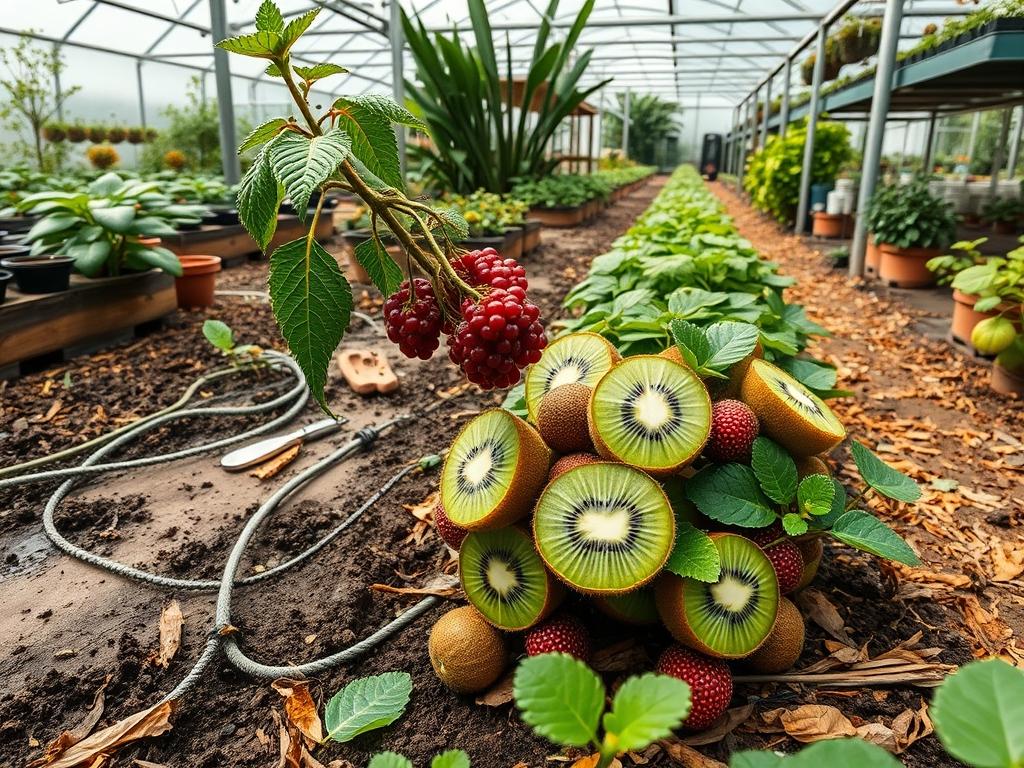
Integrating fruicing perennials into a formal or contemporary landscape requires a delicate balance between aesthetic symmetry and functional agricultural productivity. Homeowners and developers often struggle with the vigorous growth habits of the Hardy Kiwi Vine, known scientifically as Actinidia arguta. Unlike their larger, fuzzy supermarket cousins, these berries are hairless, grape-sized, and pack a concentrated sweetness. However, the success of your harvest and the visual appeal of your garden depend entirely on the initial site planning and landscape architecture. If the support structures are too high, the fruit remains out of reach. If the site drainage is poor, the plant suffers from root pathogens. A professional landscape consultant views the goal of Picking Ripe Kiwi Berries as the final step in a multiyear design process that begins with soil analysis and structural engineering.
Climate considerations remain the primary hurdle for this species. While the vines are cold hardy down to negative 25 degrees Fahrenheit, the tender new growth in spring is highly susceptible to late frosts. This necessitates a landscape plan that utilizes microclimates, such as placing vines on a north-facing slope or behind a windbreak to delay early budding. From a curb appeal perspective, these vines offer lush, deep green foliage that can soften the harsh lines of a modern residence or provide a dense screen for privacy. To achieve a high-end look while ensuring a sweet snack, the landscape must be designed with both the plant’s biology and the owner’s ergonomics in mind.
Landscape Design Principles
Symmetry and focal points are the cornerstones of a professional garden layout. When incorporating kiwi berries, I recommend using a T-bar Trellis system or a custom Pergola constructed from 6×6 Pressure-Treated Cedar. By aligning these structures along a central axis, you create a sense of order that counters the vine’s naturally chaotic growth. Elevation layers are equally important. Use the verticality of the vines to draw the eye upward, while planting mid-level shrubs and groundcovers at the base to hide the woody, often unattractive lower stems of the mature kiwi.
Irrigation planning must be integrated into the hardscape phase. We utilize Subsurface Drip Irrigation with Pressure-Compensating Emitters to deliver water directly to the root zone without wetting the foliage, which can lead to fungal issues. Walkways should be wide enough to accommodate harvesting equipment or a small cart. I typically specify a minimum width of 4 feet for primary garden paths, using materials like Decomposed Granite or Natural Flagstone set in a permeable base. This ensures that the area remains accessible even during the wet autumn months when harvest occurs.
Visual balance is achieved by pairing the vigorous kiwi vines with plants that can hold their own or provide a contrasting texture. A landscape that focuses only on the fruit will look like a farm rather than a garden. By surrounding the fruiting zone with ornamental grasses and structured boxwood hedges, we maintain a professional aesthetic throughout the four seasons.
Plant and Material Selection
| Plant Type | Sun Exposure | Soil Needs | Water Demand | Growth Speed | Maintenance Level |
| :—: | :—: | :—: | :—: | :—: | :—: |
| Hardy Kiwi (Female) | Full Sun | Rich, Well-Drained | Moderate | Fast | High |
| Hardy Kiwi (Male) | Full Sun | Rich, Well-Drained | Moderate | Fast | High |
| Creeping Thyme | Full Sun | Sandy / Poor | Low | Moderate | Low |
| Blueberry Bush | Full Sun | Acidic (pH 4.5-5.5) | High | Slow | Medium |
| Feather Reed Grass | Full to Part Sun | Average | Low to Moderate | Fast | Low |
| Japanese Forest Grass | Shade to Part Shade | Moist / Loamy | Moderate | Slow | Low |
Implementation Strategy
The first step in garden layout planning is Grading. You must ensure the site slopes away from the home and any structural foundations at a rate of at least 2 percent. For kiwi berries, we often design raised berms or planting mounds to ensure the crown of the plant never sits in standing water. Once the grade is established, the installation of hardscaping happens before any green material touches the soil. Steel Edging or Belgium Block should be used to define the planting beds, providing a clean break between the turf and the mulch.
When installing the support system, use 12-gauge Galvanized Wire tensioned with Turnbuckles. This allows you to tighten the lines as the weight of the fruit increases over the years. For the soil, we incorporate 3 inches of Composted Organic Matter into the top 12 inches of the native soil. Mulch Depth is critical; a 3-inch layer of Double-Shredded Hardwood Mulch helps retain moisture and suppress weeds, but it must be kept away from the direct contact of the vine’s trunk to prevent rot.
Drainage can be further managed with French Drains if the site has a high water table. We install these perforated pipes in a trench filled with Clean 3/4-inch Crushed Stone and wrapped in Geotextile Fabric. This prevents the silt from clogging the system over time. Only after these structural elements are in place do we move to the planting phase, ensuring each female vine has access to a male pollinator within a 50-foot radius.
Common Landscaping Failures
One of the most frequent mistakes in edible landscaping is Root Overcrowding. Designers often underestimate the subterranean spread of a mature kiwi vine. When roots are restricted by footings or tight planter boxes, the plant becomes stressed, resulting in smaller, sour fruit. Another common issue is improper spacing. We recommend at least 10 to 15 feet between plants. If they are packed too tightly, the lack of airflow invites powdery mildew and makes Picking Ripe Kiwi Berries a logistical nightmare.
Soil compaction is a silent killer of garden productivity. During construction, heavy machinery can crush the soil structure, leaving it anaerobic. We use Broadforks or Mechanical Aerators to fix this before planting. Additionally, many DIY gardeners fail to account for the weight of the vines. A mature Actinidia plant can weigh several hundred pounds when loaded with fruit. Using flimsy wooden lattices or plastic netting will inevitably lead to a structural collapse, usually right before the berries are ready to be picked.
Seasonal Maintenance
Spring management begins with Dormant Pruning in late February or March. This is the most crucial time to remove the previous year’s fruiting wood and thin out the canopy to allow light penetration. As the temperature rises, apply a Balanced 10-10-10 Fertilizer before the buds break. Summer maintenance involves Summer Pruning, where you cut back the aggressive non-fruiting “water sprouts” to redirect the plant’s energy into the developing berries.
Autumn is the season for harvest and preparation. The berries generally ripen after the first light frost, which triggers the conversion of starches into sugars. To ensure you are Picking Ripe Kiwi Berries, use a Handheld Refractometer to check the Brix Level. A reading of 8 to 10 percent indicates they are ready for harvest. Once picked, they will continue to soften at room temperature. Winter care involves protecting the trunk from “sunscald” using White Tree Wrap and ensuring the irrigation system is fully blown out to prevent freeze damage to the valves and pipes.
Professional Landscaping FAQ
What is the best way to tell if kiwi berries are ready?
The fruit will turn a darker green and feel slightly soft to the touch. For the best flavor, harvest them when they reach a high sugar content, or just after the first frost has touched the vines.
How much sun do these vines actually need?
They require at least 6 to 8 hours of direct sunlight daily. Insufficient light leads to “leggy” growth, poor fruit set, and berries that never reach their full sweetness potential. Full sun also helps keep the foliage dry and disease-free.
Can I grow kiwi berries in a small urban yard?
Yes, but you must use vertical training. By using a tall Pillar Trellis or training the vine along a high fence line, you can minimize the footprint while still enjoying a significant harvest in a compact footprint.
What kind of mulch is best for these plants?
Use an organic mulch like Pine Bark or Wood Chips. These materials break down slowly, adding nutrients to the soil while maintaining the acidic to neutral pH levels that hardy kiwis prefer for optimal nutrient uptake.
Why is my vine growing but not producing fruit?
This is usually due to age or pollination issues. Most vines take 3 to 5 years to fruit. Additionally, you must have a male plant nearby to pollinate the females, as these plants are dioecious and cannot self-pollinate.