
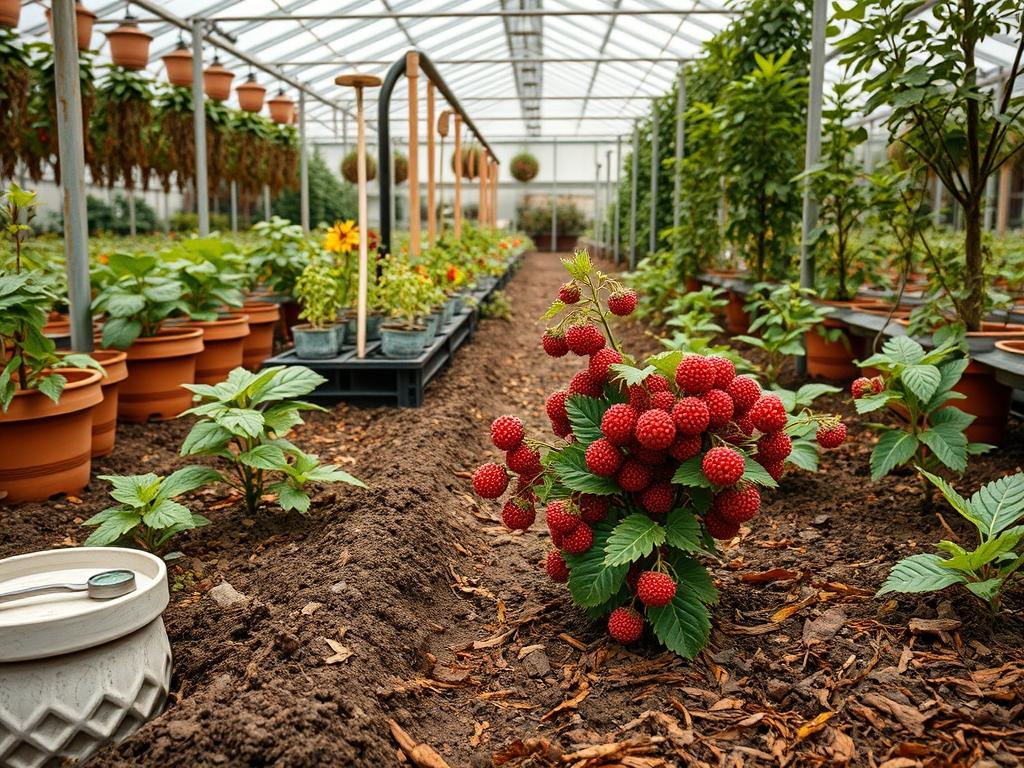
Integrating the rare and temperamental cloudberry into a residential or commercial landscape requires a departure from traditional horticultural practices. These plants, known botanically as Rubus chamaemorus, are typically found in the wild bogs of the Northern Hemisphere, where cold temperatures and acidic soil dominate the environment. For a landscape architect, the challenge lies in simulating these specific boreal conditions while maintaining the aesthetic integrity of the property. Successful cultivation and harvesting of garden cloudberries demand a deep understanding of site hydrology and soil chemistry. Unlike common berries, cloudberries do not thrive in standard garden beds or well drained loam. Instead, they require a dedicated wetland microclimate. Achieving this allows the designer to create a striking, functional focal point that offers both high curb appeal through unique foliage and the high value reward of its golden fruit.
The outdoor functionality of a garden bog extends beyond fruit production. It serves as a specialized filtration system and a sanctuary for native biodiversity. When planning the layout, one must consider the visual impact of the bog as it transitions into the drier zones of the yard. This requires precise grading and the use of physical barriers to prevent the highly acidic peat from leaching into adjacent alkaline lawn areas. By treating the cloudberry patch as a distinct ecological zone, a designer can leverage its low profile and textural variety to ground more upright shrubs or structural landscape elements. The goal is to create a seamless transition from the lush, saturated environment of the bog to the more manicured sections of the garden, ensuring that the utility of harvesting remains accessible via thoughtfully placed boardwalks or stepping stones.
Landscape Design Principles for Bog Environments
Symmetry in a bog landscape is rarely the objective. Instead, designers should focus on organic flow and localized focal points. Because cloudberries are low growing, rarely exceeding 10 to 12 inches in height, they function as a ground cover within the bog. Visual balance is achieved by layering elevation. A sunken garden approach is often best, where the bog sits at the lowest point of the property to naturally collect runoff. This creates a naturalistic depression that mimics the peatlands of Scandinavia or Canada. To provide a focal point, architects often incorporate weathered granite boulders or driftwood, which provide a stark, textural contrast to the soft Sphagnum Moss that typically carpets the area.
Irrigation planning is perhaps the most critical design principle for harvesting garden cloudberries. Traditional overhead sprinklers are often insufficient for maintaining the specific water table these plants require. A sub-irrigation system, utilizing perforated pipes buried within the peat, ensures that the root zone remains consistently saturated without drowning the crown of the plant. Walkways should be designed as elevated wooden boardwalks made of rot resistant timber like Cedar or Black Locust. These structures prevent soil compaction, which is the primary enemy of cloudberry rhizomes. Furthermore, they allow the harvester to reach the fruit without treading on the delicate moss or the plants themselves.
Plant and Material Selection
| Plant Type | Sun Exposure | Soil Needs | Water Demand | Growth Speed | Maintenance Level |
| :— | :— | :— | :— | :— | :— |
| Cloudberry | Full Sun | Acidic Peat | High | Slow | High |
| Sphagnum Moss | Partial to Full Sun | Saturated Acid | Very High | Moderate | Low |
| Cranberry | Full Sun | Wet Acidic | High | Moderate | Moderate |
| Lingonberry | Partial Sun | Moist Acidic | Moderate | Moderate | Moderate |
| Labrador Tea | Full Sun to Shade | Peaty/Wet | High | Slow | Low |
| Bog Rosemary | Full Sun | Boggy/Acidic | High | Slow | Moderate |
Implementation Strategy
The construction of a garden bog begins with a large scale excavation. To maintain the necessary moisture levels, the area must be lined with a heavy duty 45 mil EPDM liner or a similar waterproof membrane. This prevents the surrounding soil from absorbing the moisture and keeps the pH levels stable. Once the liner is in place, a drainage layer of river stone or coarse gravel is added to the bottom, followed by a thick layer of acidic growing media. The ideal mixture consists of roughly 70 percent peat moss and 30 percent coarse sand or perlite. This ensures the substrate remains loose and acidic, ideally between 3.5 and 5.0 pH.
Edging is the next critical step in the implementation. A defined border of limestone-free stone or composite landscape edging should isolate the bog from the rest of the garden. This prevents the encroachment of aggressive turf grasses that would otherwise outcompete the slow growing cloudberry. After planting the Rubus chamaemorus rhizomes, it is essential to remember that this species is dioecious. This means a successful harvest requires both male and female plants to be present in the garden layout. A ratio of one male plant for every five female plants is generally recommended for optimal pollination. Finally, a layer of shredded bark mulch or live Sphagnum Moss should be applied to the surface to help regulate temperature and moisture.
Common Landscaping Failures
The most frequent failure in bog landscaping is improper drainage management. While cloudberries require consistent moisture, they cannot survive in stagnant, anaerobic water that has no movement or oxygenation. Irrigation must be consistent. If the water table fluctuates too wildly, the plants will experience stress, leading to poor fruit set or root rot. Another mistake is using local tap water for irrigation without checking its chemical composition. Many municipal water sources are treated with lime or have a high mineral content that will slowly raise the pH of the peat, eventually killing the acidic loving flora. Utilizing collected rainwater is a much safer alternative for maintaining the bog’s health.
Root overcrowding and competition are also significant issues. Because cloudberries are slow growers, they are easily overwhelmed by more aggressive wetland plants or weeds. If the site is not meticulously cleared of existing perennial roots before the liner and peat are installed, those weeds will eventually punch through or find their way into the bog. Furthermore, soil compaction from foot traffic can crush the delicate underground rhizomes. Without the protection of a boardwalk or designated paths, the physical structure of the peat will collapse, preventing the air from reaching the roots and causing the plants to decline.
Seasonal Maintenance
Spring maintenance involves testing the soil pH and adding elemental sulfur if the acidity has drifted. This is also the time to check the irrigation system for any leaks or blocks that may have occurred during the winter. As the snow melts, the water table should be monitored to ensure it does not rise so high that it submerges the new spring buds. In early summer, the focus shifts to weed management and ensuring consistent saturation as temperatures rise. Harvesting occurs in mid to late summer when the berries turn from a hard red to a soft, translucent amber. This is a delicate process, as the fruit is fragile and should be handled with care.
In the autumn, the landscape architect should oversee the application of a protective layer of mulch. While cloudberries are extremely cold hardy, a layer of pine needles or additional peat can protect the rhizomes from the freeze and thaw cycles that might heave them out of the ground. Winter maintenance is minimal, as the plants are dormant. However, ensuring that the bog is covered by a natural snow pack is beneficial. The snow acts as an insulator, protecting the dormant buds from extreme wind chill and desiccation. If a winter is particularly dry, a technician may need to occasionally add water to the bog to ensure the peat does not dry out completely, which would damage the substructure of the soil.
Professional Landscaping FAQ
What is the best time for harvesting garden cloudberries?
Harvesting should occur when the fruit transitions from a firm red to a soft, golden orange color. In most northern temperate zones, this window happens during the peak of summer, usually in late July or early August.
Can I grow cloudberries in a standard raised bed?
No, standard raised beds typically have too much drainage. Cloudberries require a specialized bog environment with a waterproof liner and a dedicated peat based substrate to maintain the high moisture and low pH levels they need.
How much sun do cloudberries require in a landscape?
Cloudberries perform best in full sun. While they can tolerate some partial shade, the fruit production will be significantly lower, and the plants may become leggy. A minimum of six to eight hours of direct sunlight is recommended.
Do I need a special irrigation system for a berry bog?
A sub-surface irrigation system is highly recommended. This delivers water directly to the root zone and helps maintain a consistent water table, which is vital for the health of the rhizomes and the development of the fruit.
What soil pH is required for harvesting garden cloudberries?
The soil must be extremely acidic, ranging between 3.5 and 5.0 on the pH scale. This is achieved through the use of pure peat moss and can be maintained by using rainwater and avoiding any limestone-based materials in the construction.