
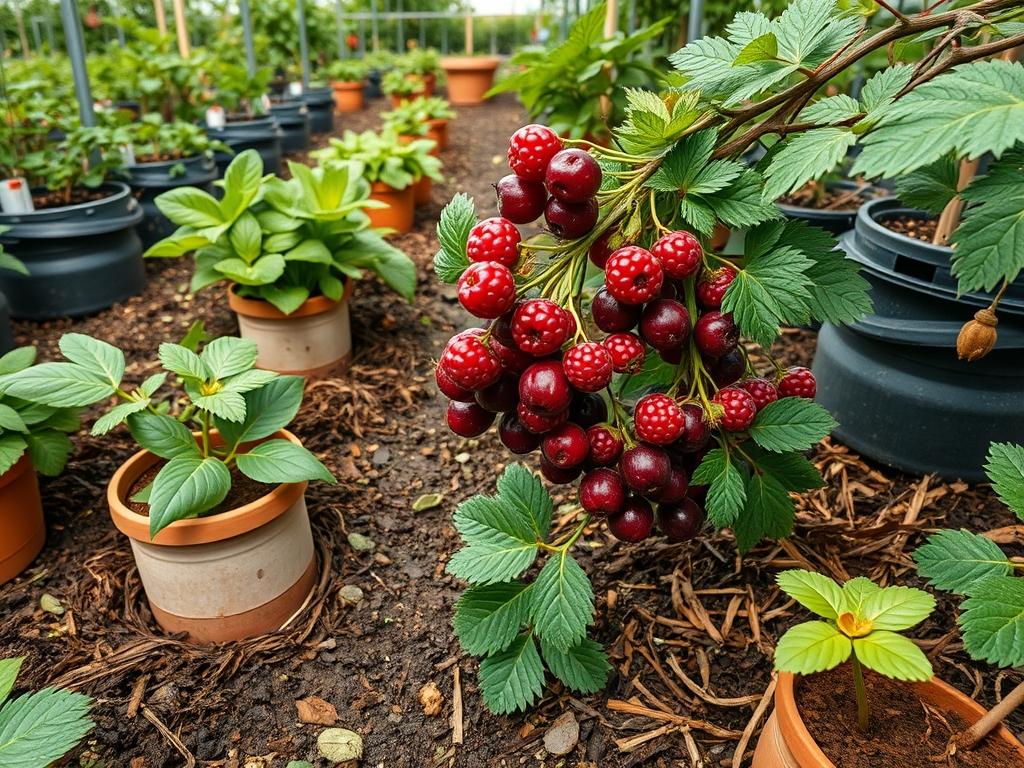
Integrating thorny brambles like the Loganberry into a sophisticated landscape requires a deliberate balance between aesthetic appeal and functional accessibility. While many homeowners select the Loganberry for its deep red fruit and vigorous growth, the presence of sharp thorns often turns a productive garden into an impenetrable thicket. Strategic landscape architecture solves this by treating the berry patch as a structured design element rather than a wild corner. Managing these plants involves more than just a pair of Leather Gloves; it requires a spatial layout that considers human ergonomics, reach, and plant physiology. A well designed berry zone enhances curb appeal by providing vertical interest and lush green foliage, provided the gardener implements a rigorous support system. In regions with temperate climates, these plants thrive in Zone 5 through 9, yet their aggressive canes can quickly overwhelm neighboring Native Plants if not contained by physical boundaries or Edging Materials. Designing for the harvest means creating a “picking corridor” where the fruit is accessible without the picker ever having to reach into the thorny interior of the shrub.
The functionality of an outdoor environment depends heavily on how humans interact with the vegetation. When Picking Ripe Loganberries, the goal is to maximize yield while minimizing physical injury. By utilizing Trellis Systems and Gravel Walkways, a landscape consultant can transform a chaotic bramble into a focal point of the backyard. This approach ensures that the garden serves as a site of leisure and production rather than a maintenance burden or a safety hazard for children and pets.
Landscape Design Principles
Symmetry and visual balance are essential when incorporating sprawling fruit producers like the Loganberry. Use a formal Trellis System to act as a vertical focal point, drawing the eye upward and creating a sense of order. By training canes to grow along horizontal Galvanized Wires, the landscape architect ensures the fruit hangs at a standardized 4-foot to 5-foot elevation. This height is ideal for most adults, allowing for an effortless harvest that protects the back and arms from the plant’s natural defenses.
Walkway planning is the most critical component of thorn management. Surround the berry patch with a 3-foot wide perimeter of Pea Gravel or Flagstone Pavers. This clear zone prevents the gardener from having to step over rogue canes or navigate through mud during the rainy season. Furthermore, the use of Retaining Walls can elevate the berries to waist height, essentially creating a raised planter that puts the fruit at eye level. This elevation layer not only improves drainage but also isolates the root system, preventing the Loganberry from suckering into the lawn or other ornamental beds.
Irrigation must be planned with precision. A Drip Irrigation System installed at the base of the plants ensures that water reaches the roots without wetting the leaves. Wet foliage can hide thorns and encourage fungal growth, making the picking process more difficult and less sanitary. By maintaining a clean, dry environment around the berries, the landscape feels more like an outdoor room and less like a wild orchard.
Plant and Material Selection
| Plant or Material | Sun Exposure | Soil Needs | Water Demand | Growth Speed | Maintenance Level |
| :— | :— | :— | :— | :— | :— |
| Loganberry | Full Sun | Rich, well-drained | Moderate | Fast | High |
| Lavender | Full Sun | Sandy, alkaline | Low | Medium | Low |
| Creeping Thyme | Full Sun/Part | Well-drained | Low | Fast | Low |
| Wood Chip Mulch | N/A | N/A | N/A | N/A | Low |
| Cedar Posts | N/A | N/A | N/A | N/A | Low |
| Galvanized Wire | N/A | N/A | N/A | N/A | Low |
Implementation Strategy
The first step in planning a thorn-managed garden is site grading. Ensure the area has a 2 percent slope away from your home’s foundation to prevent water pooling. Once the grade is established, install 4×4 Cedar Posts at 8-foot intervals. These posts should be buried at least 24 inches deep and secured with Quick-set Concrete to withstand the weight of heavy summer fruit. String three levels of 12-gauge Galvanized Wire between the posts at heights of 2 feet, 3.5 feet, and 5 feet.
After the hardscaping is secure, focus on soil preparation. Excavate a trench 18 inches wide and 12 inches deep, then fill it with a mixture of native soil and Organic Compost. Plant the Loganberries every 6 feet along the trellis. To manage the thorns effectively, use Hand Pruners to immediately tie the first year’s growth (primocanes) to the lowest wire. As the canes grow, weave them upward in a fan pattern. This method separates the thorny stems, allowing the sun to ripen the fruit evenly and providing clear gaps for your hands during the harvest.
For the ground layer, apply a 4-inch depth of Hardwood Mulch. This suppresses weeds that might otherwise require you to reach near the base of the thorny canes. The mulch also retains moisture, which is vital for berry size and quality. Use a heavy-duty Metal Edging to define the boundary between the mulch and your walkways, ensuring a clean, professional finish that prevents material migration.
Common Landscaping Failures
The most frequent mistake in managing thorny berries is root overcrowding. When plants are spaced too closely, the canes intertwine into a dense wall. This creates a “thorn trap” where ripe berries are located deep within a thicket of prickly stems. To avoid this, strictly adhere to the 6-foot spacing rule. Another common failure is improper drainage planning. Loganberries are susceptible to root rot in heavy clay soils. If your backyard holds water, the use of Perforated Drain Pipe or a custom French Drain is necessary to divert excess moisture.
Irrigation inefficiencies often lead to plant stress, which can actually increase the density of thorns as a survival mechanism. Overhead watering should be avoided at all costs. It washes away the protective oils on the leaves and can lead to fruit mold. Furthermore, soil compaction from foot traffic near the root zone will stunt growth. Always design your Walkways so that you never have to step on the soil directly adjacent to the plant. This preserves the soil structure and ensures the Loganberry has the oxygen it needs to produce large, sweet fruit.
Seasonal Maintenance
Spring is the time for structural assessment and tying. Before the first buds break, inspect your Trellis System for any tension loss in the wires. Use a Wire Strainer to tighten the lines. Apply a balanced Slow-release Fertilizer and top up the Mulch to maintain that critical 4-inch depth. As the new canes emerge, select the strongest five or six and remove the rest to ensure the plant does not become overly dense and thorny.
Summer maintenance focuses on harvest and hydration. When Picking Ripe Loganberries, look for a deep purple-red color and a fruit that pulls away easily from the core. Because you have trained the canes horizontally, you should be able to spot the fruit from the Gravel Walkway. Use Long-handled Fruit Pickers for any berries that are slightly out of reach, though a well-trellised plant should make this unnecessary.
In autumn, pruning is the priority. Loganberries are floricanes, meaning they fruit on second-year wood. Once the harvest is complete, use Loppers to cut the canes that produced fruit down to the ground. These old canes are often the thorniest and driest, making them a fire hazard and a nuisance. Leave the new, green primocanes for next year’s crop. Winter management involves securing any loose canes to the trellis to prevent wind damage and applying a layer of Straw around the base for insulation in colder climates.
Professional Landscaping FAQ
How can I prevent thorns from scratching me during harvest?
Install a T-bar Trellis to pull the fruiting lateral branches away from the main thorny canes. This creates a canopy effect where the berries hang down into an open space, allowing you to pick them without touching the stems.
What is the best mulch for a berry landscape?
Use Coarse Wood Chips or Bark Nuggets. These materials provide excellent drainage and do not break down as quickly as fine mulches, maintaining a clean barrier between your footwear and the soil while preventing thorny suckers from emerging easily.
Can I grow Loganberries in large containers?
Yes, use a 20-gallon pot with a built-in Obelisk Trellis. This keeps the thorny growth contained within a specific footprint, making it ideal for patios where space is limited but vertical curb appeal is desired.
How do I manage the aggressive spread of Loganberries?
Install a Plastic Root Barrier at a depth of 12 inches around the planting zone. This prevents the runners from escaping into your lawn or neighboring flower beds, keeping the thorny growth confined to your designated harvest area.
What plants pair well with Loganberries for curb appeal?
Plant Culinary Sage or Daylilies at the base. These provide a dense, soft textured contrast to the upright, thorny canes. They also act as a living mulch, suppressing weeds while adding color to the lower elevation of your landscape design.