
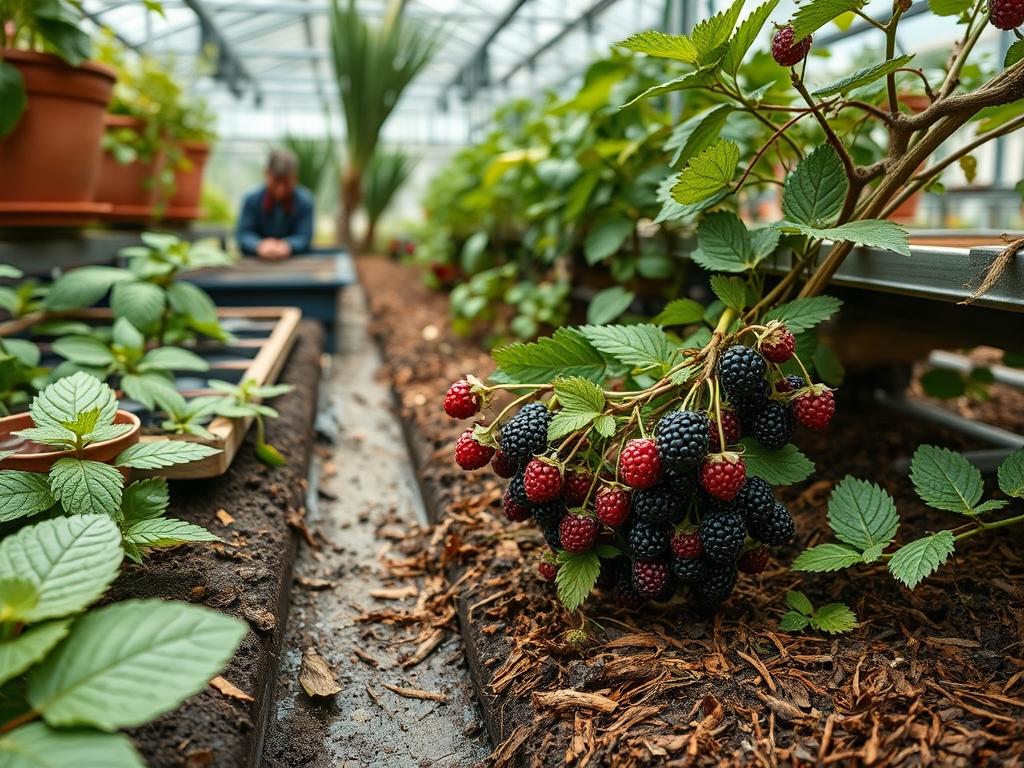
Integrating edible landscapes requires a delicate balance between aesthetic grace and agricultural utility. For the modern homeowner, the inclusion of the Boysenberry (a rubus hybrid) offers a unique opportunity to create a vertical focal point that serves both as a privacy screen and a source of gourmet produce. The landscaping challenge lies in managing the inherent vigor of the plant while ensuring it contributes to the overall curb appeal of the property. Unlike traditional ornamental shrubs, these berries require a structured environment to prevent them from appearing unkempt. A successful design incorporates architectural support systems that turn a sprawling vine into a deliberate, sculptural element. Climate considerations remain vital; these plants thrive in Mediterranean or temperate zones where the summer heat is balanced by adequate moisture. From a functionality standpoint, the goal is to create a space that facilitates harvesting without sacrificing the formal lines of the garden.
The strategic placement of berry patches must consider the sun path to maximize fruit production. Ideally, the garden should receive at least six to eight hours of direct sunlight daily. This solar exposure not only ensures the sweetness of the fruit during the peak of summer but also prevents the onset of fungal diseases which often plague dense foliage in shaded areas. By treating the Boysenberry as a structural component rather than a mere fruit bush, a landscape architect can bridge the gap between a working farm and a luxury outdoor living space. The result is a multi-sensory environment where the deep purple hues of the ripening fruit provide a striking contrast against the vibrant green leaves, enhancing the visual depth of the site.
Landscape Design Principles
When designing a space for Harvesting Garden Boysenberries, the architect must lean heavily on the principles of symmetry and focal points. A singular, sprawling berry patch can quickly become an eyesore in a professional landscape. Instead, the use of Cedar Post Trellises or Wrought Iron Obelisks creates a sense of order. By aligning these structures along a central axis, you establish a formal rhythm that mimics the Mediterranean vineyard aesthetic. This symmetry provides a clear visual hierarchy, leading the eye toward a destination point, such as a stone fountain or a shaded seating area.
Elevation layers are equally important. Because boysenberries grow on long, trailing canes, they should be positioned in the middle or back layers of a planting bed. This allows for lower-growing perennial herbs, such as Lavender or Salvia, to be placed in the foreground. These companion plants mask the woody lower stems of the berry vines and provide a soft edge to the garden beds. Furthermore, the integration of Drip Irrigation Systems within the design phase is non-negotiable. Subsurface irrigation ensures that water reaches the root zone without wetting the foliage, which is a critical factor in maintaining plant health and fruit quality.
Walkways should be wide enough to allow for easy passage during the harvest. A minimum width of 4 feet is recommended for primary paths, using materials like Crushed Decomposed Granite or Thermal Finish Bluestone. These stable surfaces prevent the soil compaction that often occurs during the frequent foot traffic associated with picking berries. Visual balance is achieved by mirroring the berry structures on both sides of a path, creating a lush tunnel effect that immerses the visitor in the landscape.
Plant and Material Selection
Selecting the right cultivars and structural materials is the foundation of a low-maintenance, high-yield edible landscape. The following table outlines the requirements for a successful berry-centric garden design.
| Plant or Material Type | Sun Exposure | Soil Needs | Water Demand | Growth Speed | Maintenance Level |
| :— | :— | :— | :— | :— | :— |
| Boysenberry (Thornless) | Full Sun | Well-drained Loam | Moderate to High | Fast | Medium |
| English Lavender | Full Sun | Sandy, Alkaline | Low | Moderate | Low |
| Cedar 4×4 Posts | N/A | Treated for Ground | N/A | N/A | Low |
| Galvanized Wire | N/A | N/A | N/A | N/A | Low |
| Pine Bark Mulch | N/A | Acidic to Neutral | N/A | N/A | Annual Refresh |
| Creeping Thyme | Full to Part Sun | Gritty, Lean | Low | Moderate | Low |
Implementation Strategy
The transition from a blueprint to a physical garden requires precise execution of the implementation strategy. Begin with professional grading to ensure the site has a 2 percent slope away from any permanent structures. This prevents water from pooling around the crown of the Boysenberry plants, which would otherwise lead to root rot. Once the grade is established, the installation of Steel Edging provides a crisp, permanent border between the lawn and the garden beds. This prevents the encroachment of turf grass and maintains the integrity of the design lines.
After the hardscaping is in place, the trellis system should be installed. For a professional finish, use 4×4 Cedar Posts set in concrete at 8-foot intervals. Run 12-gauge Galvanized Wire between the posts at heights of 2 feet, 4 feet, and 6 feet. This three-tier system provides ample support for the heavy canes during the summer. When planting, dig a hole twice the width of the root ball and backfill with a mixture of native soil and Organic Compost. Space each plant 4 to 6 feet apart to allow for proper airflow. Finally, apply a 3-inch layer of Premium Hardwood Mulch to regulate soil temperature and suppress weeds. This depth is sufficient to retain moisture without suffocating the roots.
Common Landscaping Failures
One of the most frequent mistakes in edible landscaping is improper drainage. Many novices plant berries in heavy clay without amending the soil, leading to anaerobic conditions. To avoid this, designers should incorporate Perlite or Coarse Sand into the planting pits to improve porosity. Another common failure is root overcrowding. While it is tempting to plant densely for an immediate effect, the lack of airflow between plants promotes powdery mildew and limits fruit production. Adhering to the recommended spacing of 4 to 6 feet is essential for long-term success.
Irrigation inefficiencies also plague many projects. Overhead sprinklers should be avoided as they wash away the pollen and encourage fruit rot. A dedicated Drip Line with 0.5 GPH Emitters is the professional standard. Furthermore, many homeowners fail to account for the weight of the fruit-laden canes. Using flimsy plastic netting or thin bamboo stakes will result in a collapsed mess by mid-July. Structural integrity must be built into the garden from day one using heavy-duty materials that can withstand the tension of the wires and the weight of the harvest.
Seasonal Maintenance
Seasonal management is the key to ensuring that Harvesting Garden Boysenberries remains a highlight for years to come. In the spring, the focus is on fertilization and training. Apply a 10-10-10 Balanced Fertilizer just as the new growth begins. As the primocanes emerge from the base, weave them gently through the wires of your trellis. This initial training phase sets the stage for a tidy architectural display.
Summer is the period of maximum activity. Regular monitoring of soil moisture is required, especially during heatwaves. The harvest typically lasts for three to four weeks. It is important to pick the fruit when it is fully dark purple and pulls away easily from the stem. Once the harvest is complete, the old floricanes (the canes that produced fruit) should be pruned back to the ground using Bypass Pruners. This allows the plant to direct all its energy into the new primocanes that will bear fruit the following year.
In autumn, the garden should be cleaned of any fallen debris to prevent pests from overwintering. Apply a fresh layer of Compost to the base of the plants to provide a slow release of nutrients. Winter maintenance involves securing any loose canes to the trellis to prevent wind damage. In colder regions, a thick layer of Straw Mulch around the crown provides necessary insulation against freezing temperatures. This cyclical approach ensures the landscape remains productive and aesthetically pleasing throughout the year.
Professional Landscaping FAQ
How do I prevent my berries from becoming invasive?
Install deep Polyethylene Root Barriers or Steel Edging to a depth of 12 inches. This contains the root system within the designated garden bed and prevents runners from popping up in your lawn or neighboring flower beds.
What is the best way to manage pests without chemicals?
Promote biodiversity by planting Marigolds and Yarrow nearby to attract beneficial insects. For birds, use high-quality Bird Netting draped over your Cedar Trellis, ensuring it is pulled taut to avoid tangling and maintain a clean look.
Can boysenberries grow in large ornamental containers?
Yes, use a 20-gallon container with high-quality Potting Mix. Ensure the container has a built-in Obelisk for vertical growth. Potted berries require more frequent watering and a Slow-release Fertilizer to compensate for the limited soil volume.
How often should I replace the mulch in my berry patch?
Refresh your Wood Chip Mulch or Pine Bark once per year, ideally in late spring. Maintain a consistent depth of 3 inches to protect the shallow root systems from the intense heat of the summer sun.
Why are my berries small and tart instead of sweet?
This is often caused by underwatering during the fruit-set stage or picking too early. Ensure your Drip Irrigation is active during the ripening phase and wait until the berries are a deep, dull purple color before picking.