
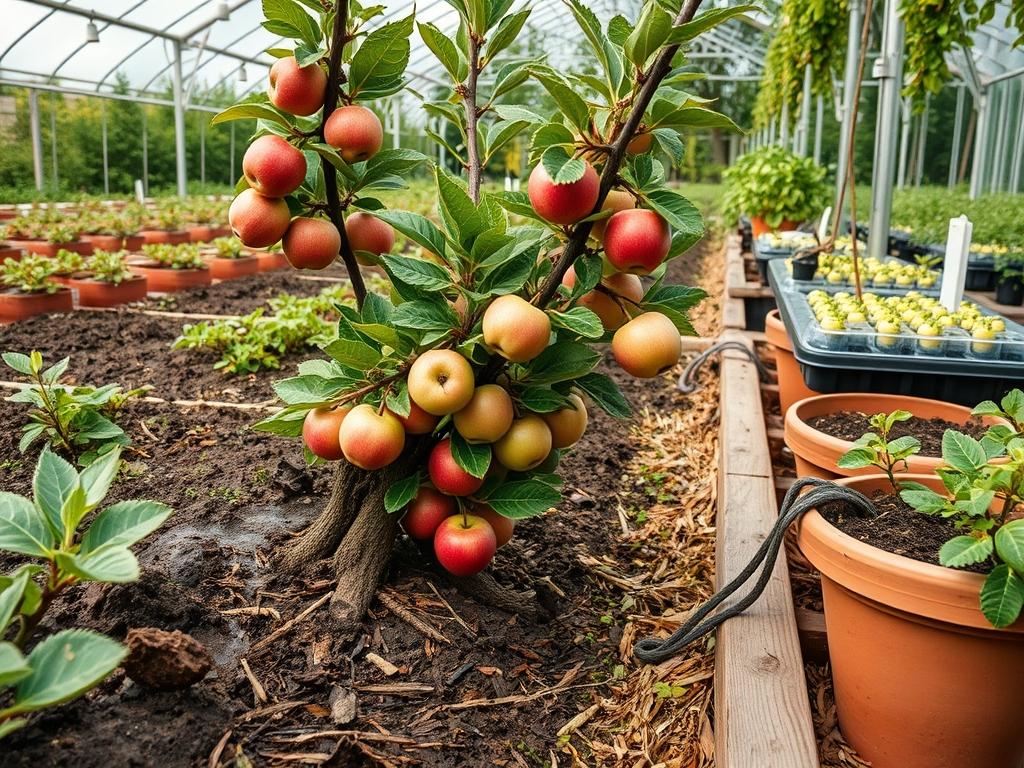
Selecting the ideal moment for harvesting garden crabapples requires a deep understanding of botanical maturity and site microclimates. From a landscape architect’s perspective, these trees provide more than just raw material for jelly; they serve as critical vertical elements that define the character of a residential garden throughout the year. The timing of the harvest is not merely a culinary decision but a maintenance necessity. Allowing fruit to over ripen and drop can impact the structural integrity of turfgrass, attract unwanted pests, and compromise the clean lines of a professional landscape design. When we plan these spaces, we consider how the vivid reds and oranges of the fruit contribute to seasonal curb appeal, ensuring that the harvest serves both the kitchen and the garden’s visual health.
A successful landscape integrates the functional cycle of the crabapple tree into the broader outdoor living environment. This involves balancing the tree’s needs with the drainage patterns and soil composition of the site. If the harvest is timed correctly, the tree remains a healthy focal point rather than a source of debris. Homeowners must watch for the subtle color shifts in the skin and the darkening of the seeds, which typically occur in late summer or early autumn depending on the specific cultivar. Harvesting garden crabapples at the peak of their pectin content ensures the finest jelly while maintaining the pristine appearance of the surrounding mulch and hardscape elements.
Landscape Design Principles
In professional site planning, the placement of a crabapple tree, such as the Malus ‘Dolgo’ or Malus ‘Prairifire’, dictates the flow of the entire garden. We use these trees to establish symmetry in formal layouts or to serve as a singular focal point in more organic, informal designs. Elevation layers are crucial here; a crabapple tree provides a mid-tier canopy that bridges the gap between low-lying perennials and taller deciduous shade trees. By strategically placing these trees near walkways, we can create a sensory experience through spring blossoms and autumn fruit, though we must ensure the path is constructed from non-porous materials like sealed concrete or tumbled slate to prevent fruit staining.
Visual balance is achieved when the tree’s volume is matched by the weight of nearby structures or dense shrubbery. Integration with irrigation planning is also vital, as the water demand increases during the fruiting stage. We often design specific grading solutions around the base of the tree to ensure that excess water does not pool, which could lead to root rot or uneven ripening of the fruit. By treating the tree as an architectural element rather than just a plant, we cultivate a landscape that looks intentional and remains functional throughout the harvesting season.
Plant and Material Selection
| Plant Type | Sun Exposure | Soil Needs | Water Demand | Growth Speed | Maintenance Level |
| :— | :— | :— | :— | :— | :— |
| Crabapple (Malus) | Full Sun | Well-drained Loam | Moderate | Medium | Medium |
| Boxwood (Buxus) | Full to Part Sun | Neutral pH | Low to Moderate | Slow | High (Pruning) |
| Lavender | Full Sun | Sandy/Alkaline | Low | Medium | Low |
| Hydrangea | Part Shade | Rich/Moist | High | Fast | Medium |
| Daylily | Full to Part Sun | Adaptable | Moderate | Fast | Low |
| River Birch | Full Sun | Acidic/Moist | High | Fast | Medium |
| Creeping Thyme | Full Sun | Well-drained | Low | Medium | Low |
| Feather Reed Grass | Full Sun | Most Types | Low | Fast | Low |
| Hostas | Full Shade | Organic/Rich | Moderate | Medium | Low |
| Japanese Maple | Part Shade | Slightly Acidic | Moderate | Slow | Medium |
Implementation Strategy
The successful layout of a garden featuring crabapples begins with precise grading. You must ensure the ground slopes away from the tree’s trunk at a rate of at least 2 percent to facilitate proper drainage. This prevents moisture from stagnating around the root flare. Once the grade is established, use a spade to define the edging between the turf and the tree’s planting bed. A clear boundary helps management and prevents damage from lawnmowers.
Next, install a layer of landscape fabric if you are dealing with aggressive weeds, though many architects prefer a natural approach using 3 inches of shredded cedar mulch. The mulch should be spread in a wide circle around the base, keeping it away from the trunk itself to avoid bark decay. For the hardscape, consider installing natural stone pavers or a retaining wall if the site has significant elevation changes. This creates a structured environment that makes harvesting garden crabapples easier, as you have a stable surface for ladders or harvesting baskets. Finally, adjust your drip irrigation emitters to provide deep watering twice a week during the peak heat of summer, which supports the development of large, juicy fruit for your preserves.
Common Landscaping Failures
One of the most frequent errors in garden planning is root overcrowding. When a crabapple is planted too close to a retaining wall or a concrete foundation, the roots cannot expand, leading to stunted growth and poor fruit production. Furthermore, soil compaction from heavy foot traffic or machinery can suffocate the roots. If the soil is not aerated regularly using a plug aerator, the tree will struggle to absorb the nutrients required for a high-pectin harvest.
Drainage mistakes are another significant pitfall. If a tree is situated in a low spot without a proper French drain or catch basin, the fruit may become watery and lack the tartness needed for jelly. Additionally, improper spacing between the crabapple and larger trees can lead to a lack of sunlight. Without at least 6 hours of direct sun, the fruit will not reach maturity at the same time, making it nearly impossible to time the harvest correctly. Lastly, inefficient irrigation, such as overhead sprinklers that wet the foliage, can promote apple scab or fire blight, which can devastate an entire season’s crop and ruin the tree’s aesthetic appeal.
Seasonal Maintenance
Spring maintenance focuses on structural pruning and health. Use bypass pruners to remove any dead, damaged, or crossing branches before the buds break. This opens up the canopy, allowing light to reach the interior fruit clusters. Applying a balanced 10-10-10 fertilizer in early spring provides the necessary nutrients for the upcoming blooming and fruiting cycle. As the blossoms fade, monitor for pests that might compromise the fruit’s skin.
Summer requires diligent water management and monitoring fruit weight. If the branches are sagging under the weight of the crabapples, you may need to install wooden stakes or support ties to prevent breakage. In autumn, the focus shifts to harvesting garden crabapples. The best timing usually follows the first light frost, which can sweeten the fruit, though for jelly, you want them slightly under ripe to maximize pectin. Once the harvest is complete, clear all fallen debris to prevent fungal spores from overwintering in the mulch. Winter maintenance is minimalist; focus on protecting the trunk from rodent damage with tree guards and performing a final inspection of your drainage systems to ensure they are clear of leaves before the first freeze.
Professional Landscaping FAQ
How do I know if crabapples are ripe for jelly?
Taste the fruit; it should be tart but not bitter. The seeds should be dark brown, not white or green. For the best jelly consistency, harvest when the fruit is firm and the color is vibrant across the entire tree.
Can I plant crabapples near my driveway?
It is generally discouraged unless you choose a fruitless variety. For jelly varieties, the fruit drop can stain asphalt and pavers. If you must, ensure a 3-foot buffer of mulch or groundcover exists between the tree and the drive.
What is the best mulch for fruit-bearing trees?
Organic wood chips or bark mulch are superior. They break down over time, adding nutrients to the soil. Maintain a depth of 2 to 4 inches to regulate soil temperature and moisture, which is vital for consistent fruit development.
How often should I prune my crabapple tree?
A thorough structural pruning should occur every 2 to 3 years. However, light maintenance to remove water sprouts or suckers at the base should be done annually in late winter to keep the tree’s energy focused on fruit production.
Will crabapples grow in heavy clay soil?
They can, but they will struggle without amendments. You should incorporate compost or peat moss into the planting hole and consider a raised bed or mounded planting to improve drainage and prevent the roots from sitting in stagnant water.