
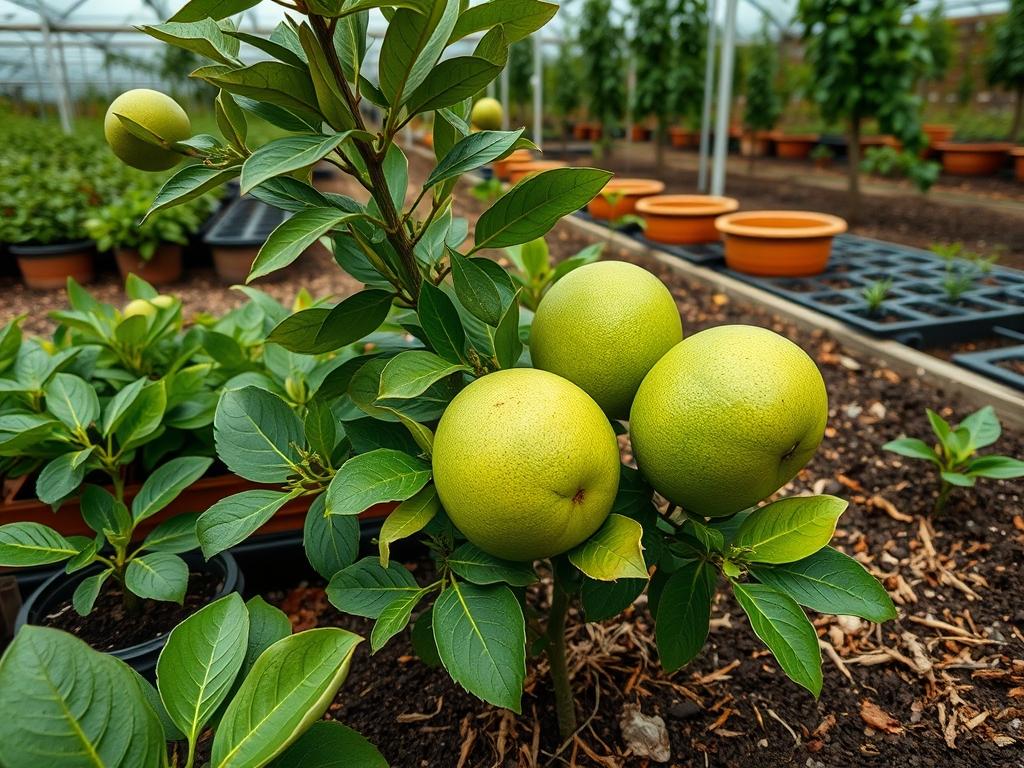
Integrating large scale citrus trees into a residential landscape architecture plan requires a sophisticated understanding of both spatial geometry and horticultural demand. When an architect selects a species like the Pomelo (Citrus maxima), they are not merely planting a tree; they are installing a living focal point that can reach heights of twenty feet with a sprawling canopy. The primary landscaping challenge involves managing the sheer scale of the fruit, which can weigh several pounds each. Without a strategic layout, the weight of the ripening fruit can lead to branch failure or unsightly litter on high end hardscapes. Achieving the dual goal of curb appeal and high yield necessitates a design that accounts for soil stability, drainage, and easy access for maintenance. Picking ripe pomelos becomes the final, rewarding stage of a well executed outdoor environment plan, ensuring that the fruit is harvested at peak quality before it impacts the structural integrity of the tree or the aesthetics of the garden floor.
The functionality of an outdoor space depends heavily on the relationship between permanent structures and the seasonal changes of its flora. In climates suitable for citrus, such as USDA zones 9 through 11, the pomelo serves as an evergreen anchor. However, its productivity creates a unique set of requirements for the landscape consultant. Soil compaction near the root zone must be avoided to ensure the tree can support the massive nutrient intake required for large fruit. Furthermore, the designer must consider the transition between the manicured lawn and the orchard zone. By treating the pomelo as a formal element within a larger garden narrative, homeowners can enjoy a productive harvest without sacrificing the clean lines of a professional landscape.
Landscape Design Principles
Symmetry and focal points are the cornerstones of a successful garden layout involving large fruit trees. A Pomelo tree, due to its glossy, oversized leaves and substantial stature, naturally draws the eye. Placing these trees in pairs to flank a primary walkway or as a central anchor in a courtyard creates an immediate sense of permanence. Because the fruit can grow to the size of a basketball, the visual balance shifts as the season progresses. Designers often use retaining walls or elevated planters to give the tree a dedicated root volume while simultaneously lifting the fruit away from ground level pests. This elevation also aids the homeowner in picking ripe pomelos without excessive bending, integrating ergonomic utility into the aesthetic design.
Irrigation planning is perhaps the most technical aspect of the design principle phase. A mature citrus tree requires consistent, deep watering to prevent the fruit from cracking or drying out. We often employ a dual zone system where the drip irrigation for the tree is separate from the surrounding ornamental plants. This allows for precise control over the moisture levels during the final weeks of ripening. Walkways should be constructed using permeable materials like decomposed granite or spaced pavers to allow oxygen to reach the lateral roots while providing a stable, dry surface for ladders and harvest equipment. Balancing these functional elements ensures that the garden remains a usable living space even during the peak of the harvest season.
Plant and Material Selection
Selecting the right cultivars and supporting materials is critical for long term success. The following table outlines the requirements for a pomelo centered landscape alongside common companion plants.
| Plant Type | Sun Exposure | Soil Needs | Water Demand | Growth Speed | Maintenance Level |
| :— | :— | :— | :— | :— | :— |
| Chandler Pomelo | Full Sun | Well drained, Sandy Loam | High (consistent) | Moderate | High |
| Honey Pomelo | Full Sun | Rich Organic Matter | High | Fast | Moderate |
| French Lavender | Full Sun | Gritty, Alkaline | Low | Fast | Low |
| Star Jasmine | Full or Part Sun | Standard Garden Soil | Moderate | Fast | Low |
| Creeping Thyme | Full Sun | Poor to Average Soil | Moderate | Moderate | Low |
| Mexican Feather Grass | Full Sun | Well drained | Low | Fast | Minimal |
In addition to the plants, the materials used for the mulch layer should be selected carefully. We recommend a 3 to 4 inch layer of arborist wood chips or shredded cedar to regulate soil temperature. For the structural components, Schedule 40 PVC is preferred for irrigation mainlines to withstand the pressure of high volume emitters. If the landscape includes a slope, natural stone boulders or concrete masonry units (CMU) should be used for retaining walls to prevent soil erosion around the heavy root balls of the citrus trees.
Implementation Strategy
The process of installing a citrus focused landscape begins with professional grading. Proper drainage is non negotiable; citrus trees are highly susceptible to root rot if water stagnates. The site should be graded to a 2 percent slope away from the tree trunk and any nearby building foundations. Once the site is leveled, we mark the planting holes to be twice as wide as the root ball but no deeper. This ensures the root flare remains slightly above the soil line, a crucial step for preventing fungal infections.
Following the planting, we install a dedicated irrigation loop. For large fruit production, we recommend placing two to four 2.0 GPH emitters around the drip line of the tree rather than near the trunk. After the mechanical systems are in place, the edging is installed to define the tree rings and garden beds. This prevents the lawn grass from competing for nutrients with the pomelo tree. Finally, a thick layer of organic mulching material is applied, leaving a small gap around the trunk to prevent moisture buildup against the bark. This systematic approach creates a professional, clean look that facilitates the ongoing task of picking ripe pomelos.
Common Landscaping Failures
One of the most frequent mistakes in residential orchards is improper spacing. A young Pomelo tree might look small in a 15 gallon nursery pot, but it will eventually require a 15 to 20 foot diameter of space. Planting too close to fences or structures leads to root overcrowding and can cause structural damage to retaining walls. Additionally, many homeowners fail to account for the weight of the fruit, leading them to neglect structural pruning. Without thinning the interior branches, the tree can become top heavy and split during a storm or under the weight of a heavy harvest.
Soil compaction is another silent killer of large citrus trees. Heavy foot traffic or the use of heavy machinery near the tree can crush the macropores in the soil, suffocating the roots. This usually results in stunted fruit growth or premature fruit drop. Irrigation inefficiencies, such as using overhead sprinklers that wet the foliage, can promote diseases like melanose or greasy spot. Professionals always prefer ground level delivery systems to keep the canopy dry and the root zone hydrated.
Seasonal Maintenance
Maintenance is a year round commitment that changes with the life cycle of the tree. In the spring, the focus is on growth. We apply a high nitrogen fertilizer, such as ammonium sulfate, and perform light pruning to remove any frost damaged wood. This is also the time to check the irrigation emitters for clogs. During the summer, the priority shifts to moisture management. As the fruit begins to swell, the tree’s water demand peaks. Deep watering sessions twice a week are often necessary to ensure the fruit develops a juicy texture.
Autumn is the period of anticipation. This is when the homeowner must monitor the fruit for signs of ripeness. Picking ripe pomelos usually occurs between late November and early spring, depending on the variety. Unlike other citrus, pomelos can stay on the tree for several months without losing quality, but they must be harvested before the spring bloom begins. In the winter, protection from frost is paramount. Using frost blankets or incandescent lights can save a crop during a cold snap. Once the harvest is complete, a final thinning of the branches helps prepare the tree for the next cycle.
Professional Landscaping FAQ
How can I tell if a pomelo is ready to be picked?
Look for a color shift from dark green to pale yellow or lime green. The fruit should feel heavy for its size, indicating high juice content. A slight fragrant aroma at the stem end is a reliable sign of maturity.
What tools are best for harvesting large pomelos?
For fruit high in the canopy, use a telescoping pole pruner with a picking basket. For lower branches, hand pruners or loppers are better. Always cut the stem rather than pulling the fruit to avoid damaging the delicate branch tissue.
Does mulch help with fruit production?
Yes, a thick layer of organic mulch retains moisture and stabilizes soil temperatures. It also suppresses weeds that compete for nutrients. Keep the mulch 6 inches away from the trunk to prevent rot and allow the tree to breathe.
Can I plant pomelos near a swimming pool?
It is not recommended. The heavy fruit and large leaves can create significant debris. Additionally, the root systems of mature Citrus maxima could eventually interfere with pool plumbing or the integrity of the pool shell if planted too close.
How much sun does a pomelo tree need for large fruit?
Pomelos require at least 8 to 10 hours of direct sun daily. Shady conditions lead to leggy growth and smaller, sour fruit. Proper placement in the landscape ensures the canopy receives maximum light exposure for sugar development.