
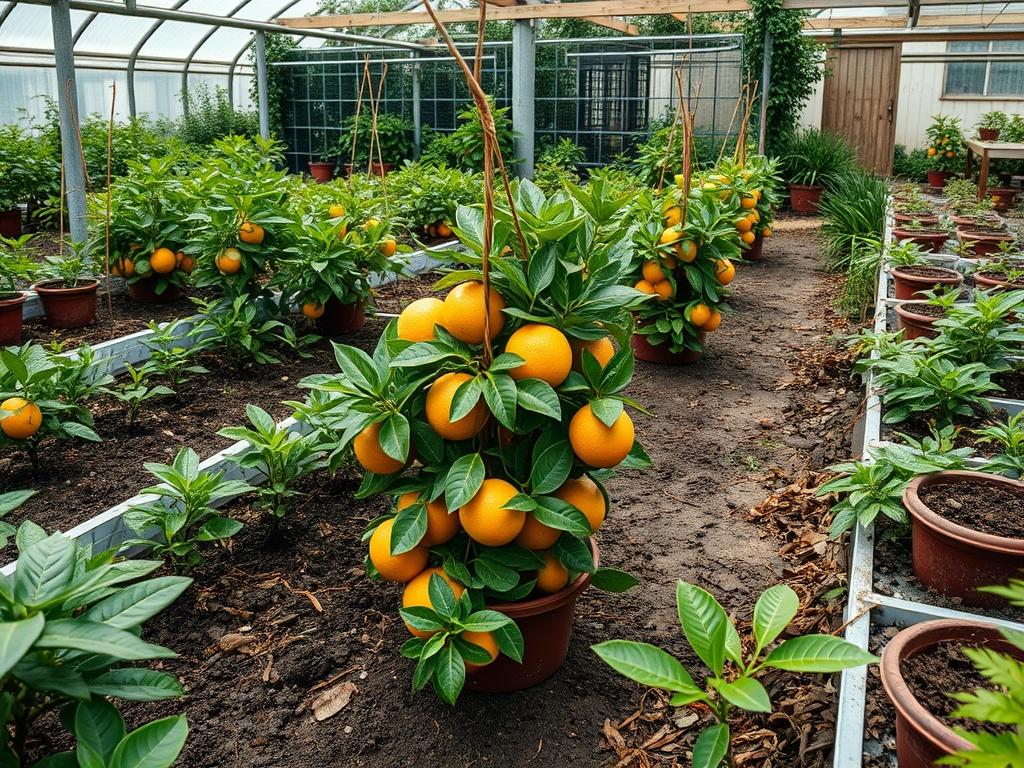
Integrating a citrus orchard into a residential landscape requires a sophisticated balance between aesthetic appeal and functional accessibility. While many homeowners view the tangerine tree simply as a source of fruit, the experienced landscape architect sees it as a structural element that demands specific spatial considerations. The challenge lies in creating a garden layout that supports the health of the tree while facilitating a clean harvest. Rind damage often occurs long before the fruit is picked; it is frequently the result of poor site planning, overcrowded planting zones, or inadequate maintenance paths that force gardeners to struggle against the canopy. A well-designed landscape provides the necessary clearance to maneuver, ensuring that Harvesting Garden Tangerines remains a precise, damage-free process that preserves the integrity of the fruit and the visual beauty of the outdoor environment.
In Mediterranean and subtropical climates, the citrus tree serves as a vibrant focal point, providing year-round evergreen foliage and fragrant blossoms. However, these trees are susceptible to environmental stressors that can mar the appearance of the rind. Wind scar, caused by branches rubbing against the fruit during high-velocity gusts, is a primary concern. By implementing structural windbreaks such as Taxus baccata hedges or decorative retaining walls, a designer can create a microclimate that protects the developing crop. Furthermore, the curb appeal of a property is significantly enhanced when citrus trees are integrated into a cohesive plan that includes professional grading and high-quality hardscaping. A disorganized orchard looks like a farm; a designed citrus grove looks like a sanctuary.
Landscape Design Principles
Successful citrus integration begins with the principle of spatial hierarchy. Every tree requires a “buffer zone” or a dedicated radius that allows for growth and humancentric movement. When planning the layout, ensure there is at least a 6-foot clearance between the drip line of the mature tree and any adjacent structures or competing plants. This prevents the branches from pressing against walls or fences, which is a common cause of fungal issues and rind abrasions. Inclusion of elevated planting beds can also assist with fruit accessibility. By raising the tree slightly above the surrounding grade, the designer makes it easier for the harvester to reach the lower and interior canopy without having to pivot through dense, thorny foliage.
Symmetry and focal points should guide the placement of tangerine varieties like the Satsuma or Clementine. Placing these trees at the terminus of a primary garden axis draws the eye and creates a sense of purpose. For the walkways, use materials that are stable yet permeable. Decomposed granite or flagstone garnished with creeping thyme provides a firm footing for ladders and harvest baskets. If the path is too narrow or the surface is uneven, the harvester is more likely to lose their balance or bump into the tree, leading to bruised fruit and torn rinds. Effective irrigation planning is also a design pillar. A dual-emitter drip system should be installed to provide deep hydration without wetting the trunk, as excessive moisture near the fruit during the final ripening stages can lead to rind softening and susceptibility to puncture.
Plant and Material Selection
| Plant Type | Sun Exposure | Soil Needs | Water Demand | Growth Speed | Maintenance Level |
| :— | :— | :— | :— | :— | :— |
| Citrus reticulata | Full Sun | Sandy Loam | Moderate | Moderate | High |
| Lavandula angustifolia | Full Sun | Well-drained | Low | Fast | Low |
| Rosmarinus officinalis | Full Sun | Poor to Average | Low | Fast | Low |
| Dwarf Meyer Lemon | Full Sun | Rich, Organic | Moderate | Slow | Medium |
| Lantana camara | Full Sun | Any | Low | Very Fast | Low |
The selection of materials extends beyond the plants themselves. Using 3-inch layers of hardwood mulch or pine bark nuggets helps maintain consistent soil moisture, which prevents the fruit from swelling rapidly and cracking the rind. In terms of tools and hardware, the use of bypass pruners and long-handle fruit pickers with padded baskets is essential for preventing mechanical damage during the harvest.
Implementation Strategy
The first step in backyard layout planning is to address the grading. Citrus trees cannot tolerate “wet feet,” so the land must slope away from the trunk at a rate of at least 2 percent. If your soil is heavy clay, consider building a stone retaining wall to create a raised planter that ensures superior drainage. Once the skeleton of the garden is established, install the edging to separate the turf from the orchard zone. This prevents lawnmowers and string trimmers from getting too close to the tree, as trunk nicks can invite pathogens that eventually affect fruit quality.
When the site is prepared, the planting process must be meticulous. Dig the hole twice as wide as the root ball but no deeper. Planting the tree too deep is a fatal error in many residential landscapes; the root flare should always be visible at the soil surface. After planting, apply a slow-release 13-7-13 fertilizer to provide the nutrients necessary for strong rind development. As the tree grows, implement a “center-open” pruning strategy. By removing internal “sucker” branches, you increase sunlight penetration and airflow. This reduces the density of the interior canopy, making it much easier to reach the fruit during harvest without the rind snagging on deadwood or sharp twigs.
Common Landscaping Failures
One of the most frequent failures in garden planning is root overcrowding. When citrus trees are planted too close to large shade trees or invasive shrubs, they compete for nitrogen and potassium. This competition results in “thin-skinned” fruit that is highly susceptible to tearing during the harvest. Another common mistake is the installation of overhead irrigation. Using sprinklers that spray water directly onto the foliage and fruit can lead to water spotting and fungal decay on the rind. Landscape architects should always specify subsurface drip irrigation to keep the canopy dry.
Soil compaction is another silent killer of fruit quality. In high-traffic gardens, the weight of foot traffic can compress the soil, limiting oxygen to the roots and stressing the tree. Stressed trees produce smaller fruit with “pebbly” or uneven rinds. To avoid this, designers should incorporate clear mulched paths or stepping stones to direct traffic away from the sensitive root zone. Finally, avoid the use of rock mulch or gravel directly under citrus trees in hot climates. These materials reflect heat upward, which can literally cook the fruit on the lower branches, causing sunscald and permanent rind damage.
Seasonal Maintenance
Spring is the season for structural integrity. As the tree begins its growth flush, inspect the branches for any crossing Limbs that might rub against future fruit. Apply a fresh layer of organic compost to the base of the tree to replenish nutrients. During the summer, the focus shifts to moisture management. Inconsistent watering is the leading cause of fruit splitting. Ensure your irrigation controller is adjusted to account for higher temperatures, keeping the soil consistently damp but not saturated.
Autumn is the critical period for rind hardening. Reduce nitrogen fertilization as the harvest approaches to avoid a late-season flush of soft growth. This is also the time to check your harvest equipment. Ensure that your hand pruners are sharpened and disinfected. When the winter harvest finally arrives, the technique is as important as the tools. Never pull a tangerine from the branch; this often results in “plugging,” where a piece of the rind is torn away at the stem. Instead, use a pair of snips to cut the fruit with a small piece of the stem still attached. This “button” protects the fruit from rotting and ensures a professional, market-quality appearance.
Professional Landscaping FAQ
How does soil pH affect tangerine rind quality?
Soil with a pH between 6.0 and 7.0 ensures optimal nutrient uptake. Acidic or overly alkaline soils can lead to thick, pithy rinds or nutrient deficiencies that make the fruit peel brittle and prone to cracking during the picking process.
Can I use decorative gravel around my citrus trees?
Avoid using light-colored gravel or stones. These materials reflect intense heat into the canopy, which can cause sunscald on the rinds. Use shredded cedar mulch instead to regulate soil temperature and provide a soft surface for fallen fruit.
Why is my fruit scarred despite careful harvesting?
Scarring is often caused by wind damage or “thrips” insects earlier in the season. Integrate evergreen windbreaks into your landscape design and encourage beneficial insects by planting native perennials like Achillea millefolium near your orchard to reduce pest pressure.
What is the best walkway material for a citrus grove?
Use decomposed granite or permeable pavers. These provide a stable, level surface for ladders, preventing the harvester from slipping and accidentally grabbing or bruising the fruit. Ensure the path is at least 36 inches wide for easy access.
How often should I prune for harvest accessibility?
Prune annually in late winter after the final harvest. Focus on removing “water sprouts” and thinning the interior. A well-pruned tree allows the harvester to see the fruit clearly and reach it without pushing through abrasive branches that damage the rind.