
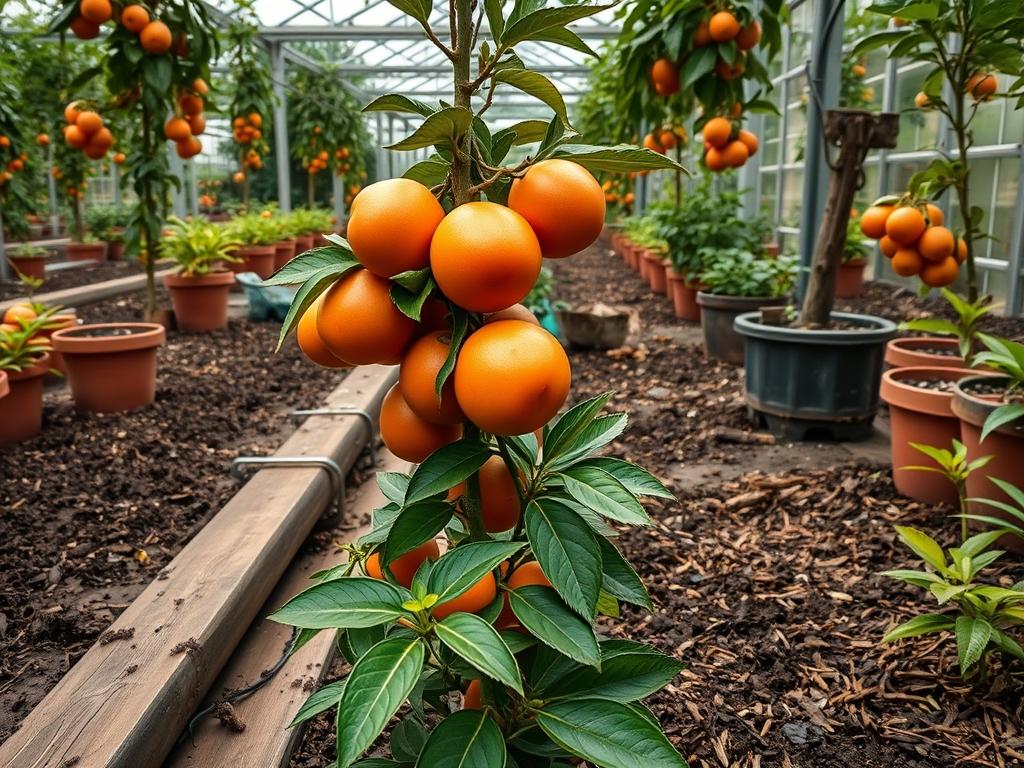
Integrating a productive orchard element into a residential landscape requires a sophisticated balance between aesthetic appeal and horticultural functionality. For many homeowners in temperate to subtropical climates, the choice to incorporate citrus serves both as a visual anchor and a source of nutritional value. The transition from a traditional ornamental garden to an edible landscape often centers on the satsuma mandarin, a species prized for its cold hardiness and the unique quality of its fruit. Picking fresh satsumas directly from a well-planned garden provides a culinary experience that grocery store varieties cannot replicate. This is largely due to the thin, loose skin of the fruit, which begins to dehydrate and tighten shortly after commercial harvesting and shipping. By designing a backyard environment specifically geared toward the success of these trees, a landscape architect creates a space where the reward is not just a green view, but a tangible, easy-peeling snack that represents the pinnacle of home-grown quality.
Successful garden planning begins with an understanding of site microclimates and soil conditions. Satsumas thrive in USDA zones 8 through 11, where they require a strategic placement that protects them from harsh northern winds while maximizing solar exposure. A landscape architect must evaluate the topography to ensure that the site does not become a frost pocket, as cold air is heavier than warm air and will settle in low-lying areas. Proper elevation and drainage are the most critical factors in preventing root rot and ensuring the tree has the energy to produce sugar-laden fruit. When we plan these environments, we look at the tree not just as a plant, but as a long-term structural investment. The goal is to create a seamless flow where walkways lead the inhabitant toward the harvest, turning the act of picking fresh satsumas into a daily ritual of outdoor engagement.
Landscape Design Principles
In professional landscape architecture, we rely on established principles to ensure a garden feels cohesive and intentional. Symmetry and focal points are particularly effective when dealing with fruit-bearing trees. A pair of Citrus unshiu trees can frame a transition point between a formal patio and a more relaxed lawn area, creating a natural gateway. We use the concept of elevation layers to build visual interest; lower-growing herbs and perennials are placed in the foreground, while the mid-sized canopy of the satsuma provides the structure. This layering ensures that the garden looks full and curated even during the winter months when the bright orange fruit stands out against deep green, evergreen foliage.
Visual balance is achieved by mirroring the round, soft form of the citrus tree with structured hardscaping elements. For instance, using flagstone pavers or crushed granite paths provides a sharp contrast to the organic shape of the tree. Irrigation planning is another pillar of design that cannot be overlooked. For satsumas, we typically design a zoned system that delivers water directly to the root zone through inline drip emitters, avoiding the foliage to reduce the risk of fungal pathogens. By integrating these technical aspects into the initial design phase, the landscape architect ensures that the functional requirements of the tree enhance, rather than detract from, the overall beauty of the property.
Plant and Material Selection
Selecting the right companions and materials is essential for a thriving edible landscape. The following table outlines the requirements for a citrus-centric garden layout.
| Plant Type | Sun Exposure | Soil Needs | Water Demand | Growth Speed | Maintenance Level |
| :— | :— | :— | :— | :— | :— |
| Satsuma Mandarin | Full Sun | Well-drained, acidic | Moderate | Moderate | Medium |
| Rosemary | Full Sun | Sandy, dry | Low | Fast | Low |
| Creeping Thyme | Full Sun | Well-drained | Low | Moderate | Low |
| Lavender | Full Sun | Gritty, alkaline | Low | Moderate | Medium |
| Star Jasmine | Partial Sun | Loamy, rich | Moderate | Fast | Low |
| Blueberry Bush | Full Sun | Highly acidic | High | Slow | High |
The choice of materials should complement the organic nature of the plants. We recommend using pine straw mulch or shredded hardwood mulch at a depth of 3 inches to regulate soil temperature and retain moisture. For structural support, kiln-dried cedar for raised beds or natural limestone for retaining walls provides a professional finish that ages gracefully.
Implementation Strategy
The implementation phase begins with professional grading to ensure that water moves away from the foundation of the home and toward designated drainage areas. Before any tree is placed in the ground, the soil should be tested for pH levels. Satsumas prefer a range between 6.0 and 6.5. If the soil is too alkaline, sulfur applications may be necessary. Once the grade is established, we mark the locations for the primary focal points. For a standard backyard, a spacing of 12 feet to 15 feet between trees is recommended to allow for crown expansion and adequate airflow.
After the layout is marked, we begin the process of soil amendment. We use a broadfork to aerate the planting site without inverting the soil layers, then incorporate composted organic matter. The planting hole should be twice as wide as the root ball but no deeper. It is a common mistake to plant citrus too deep; the flare of the trunk must remain visible above the soil line to prevent bark decay. Once the trees are set, we install the polyethylene irrigation tubing and cover the area with mulch, keeping the mulch at least 6 inches away from the trunk itself. This creates a clean, defined look while protecting the vascular system of the tree.
Common Landscaping Failures
One of the most frequent failures in garden planning is the neglect of drainage. Many homeowners mistake a flat yard for a functional one. Without a slight slope or a French drain system, heavy rains can saturate the soil, leading to anaerobic conditions that suffocate citrus roots. This results in yellowing leaves and poor fruit development, negating the goal of picking fresh satsumas for your snacks. Root overcrowding is another issue; planting large shrubs too close to the citrus tree creates competition for nitrogen and micronutrients like zinc and manganese.
Improper irrigation timing also leads to significant setbacks. Overhead sprinklers often used for lawns can promote melanose or greasy spot fungus on citrus leaves. Furthermore, soil compaction from heavy foot traffic or construction equipment can prevent oxygen from reaching the root zone. To mitigate this, we specify dedicated walkways using decomposed granite or stepping stones to direct traffic away from the sensitive drip line of the trees. Finally, failing to account for the ultimate size of the plant often leads to aggressive pruning later, which can strip the tree of its most productive wood and reduce the overall harvest.
Seasonal Maintenance
Seasonal care is what separates a mediocre garden from a professional-grade landscape. In the spring, the focus is on fertilization and monitoring for new growth. We apply a high-nitrogen fertilizer with micronutrients just as the buds begin to swell. This is also the time to check the irrigation timers and ensure there are no leaks in the lines. In the summer, maintenance shifts to moisture management. Deep, infrequent watering is better than shallow daily sprays, as it encourages roots to grow deeper into the soil profile where temperatures are more stable.
Autumn is the most rewarding season because it is the time for picking fresh satsumas. The fruit should be harvested using hand pruners or snips rather than pulling them by hand, which can tear the delicate skin at the stem end. This “easy-peeling” characteristic is a result of the albedo (the white pith) separating from the juice vesicles as the fruit matures. In winter, protection is the priority. If temperatures are forecast to drop below 25 degrees Fahrenheit, we recommend wrapping the trunks with insulating blankets or using frost cloth to cover the entire canopy. Proper winter care ensures the tree remains healthy enough to produce an even larger crop the following year.
Professional Landscaping FAQ
How much sun do satsuma trees actually need?
For the highest sugar content and best fruit production, these trees require at least 8 hours of direct sunlight daily. Lower light levels results in leggy growth and sour fruit that is difficult to peel.
What is the best way to prevent root rot?
Ensure the tree is planted in a slightly mounded area or on a slope. Use well-draining soil and avoid over-watering during the winter months when the tree’s metabolic rate is much slower.
Can I grow satsumas in large containers?
Yes, provided the container is at least 20 gallons and has multiple drainage holes. Use a high-quality potting mix and organic fertilizers specifically formulated for citrus to maintain nutrient levels.
When is the best time to prune my citrus trees?
The ideal time is late winter or early spring after the danger of frost has passed but before the new growth flush begins. This helps maintain the shape and remove any dead wood.
Why are the leaves on my tree turning yellow?
Yellowing, or chlorosis, usually indicates a nutrient deficiency or poor drainage. Check the soil moisture first; if the drainage is fine, apply a chelated iron or a complete citrus fertilizer to restore the green color.