
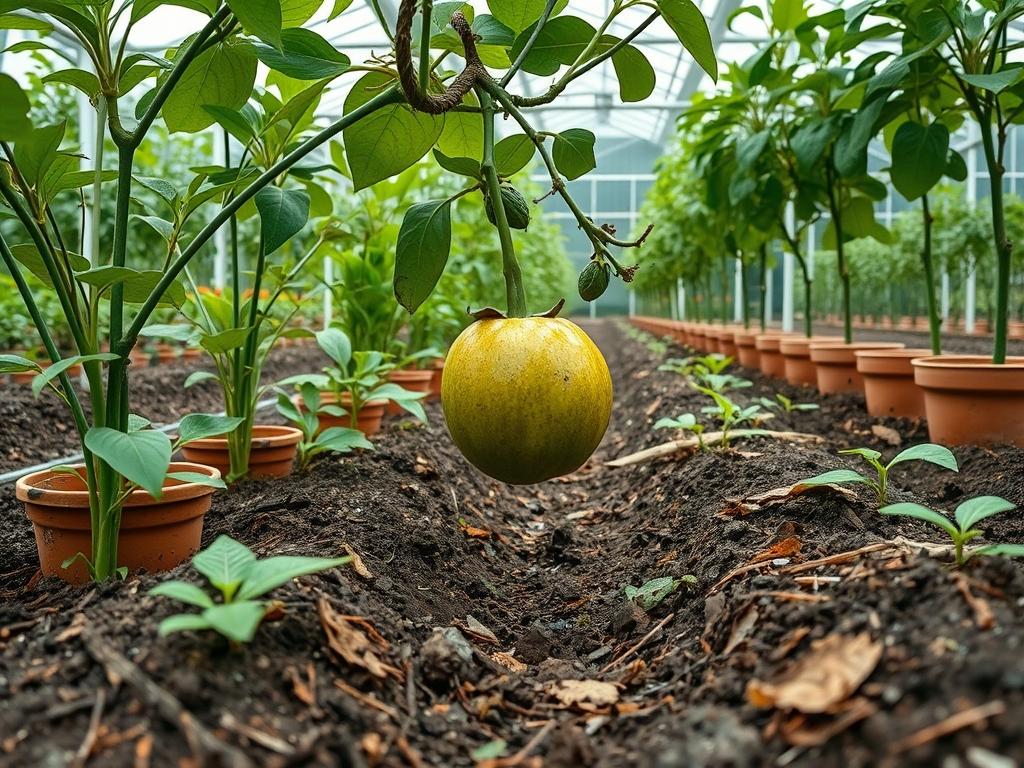
Integrating a productive edible vine into a sophisticated landscape requires a balance between aesthetic elegance and functional accessibility. The passionfruit vine, specifically species such as Passiflora edulis, offers a unique architectural opportunity for homeowners in subtropical and temperate climates. These vines provide dense, glossy green foliage that serves as an excellent privacy screen or a soft texture to break up the rigidity of retaining walls and perimeters. However, the primary challenge for the outdoor environment consultant lies in the harvest. Unlike many fruits that are plucked from the branch, Picking Ripe Passionfruit is often a task performed on the ground. Because the fruit naturally detaches from the stem only when its sugar levels have peaked, the design of the landscape floor is as critical as the trellis system itself. A well-planned garden ensures that when the fruit falls, it lands on a clean, soft surface rather than in mud or dense, impenetrable groundcover. This prevents bruising and rot, ensuring the best possible flavor for the harvest.
Landscape Design Principles
When designing a space centered around Picking Ripe Passionfruit, symmetry and focal points define the initial layout. A large wooden pergola or a series of steel cables can serve as a primary focal point, drawing the eye upward and creating vertical interest. Elevation layers are essential; the vine should be encouraged to climb above head height to allow the fruit a clear path to the ground. This verticality also optimizes sun exposure, which is vital for fruit development. Visual balance is achieved by anchoring the trellis with lower-tier plantings that do not interfere with the harvest zone.
Irrigation planning must be integrated into the initial design phase to support the high water demands of the vine without creating soggy conditions for the fallen fruit. A sub-surface drip irrigation system is preferred over overhead sprinklers. This keeps the foliage dry, reducing the risk of fungal diseases, and ensures the ground surface remains manageable for the gardener. Walkways should be strategically placed approximately 3 feet from the base of the vine. This allows the homeowner to access the area for Picking Ripe Passionfruit without stepping directly on the root zone, which can lead to soil compaction and reduced vine vigor.
Plant and Material Selection
The following table provides a breakdown of the materials and plant species suitable for a productive passionfruit landscape.
| Plant Type | Sun Exposure | Soil Needs | Water Demand | Growth Speed | Maintenance Level |
| :— | :— | :— | :— | :— | :— |
| Purple Passionfruit | Full Sun | Sandy Loam | Moderate | Fast | Medium |
| Yellow Passionfruit | Full Sun | Well-Drained | High | Very Fast | High |
| Sweet Granadilla | Patchy Shade | Humus Rich | Moderate | Medium | Medium |
| Giant Granadilla | Full Sun | Deep Alluvial | High | Fast | High |
| Maypop (Native) | Full Sun | Average Soil | Low | Medium | Low |
| Galvanized Wire | N/A | N/A | N/A | N/A | Low |
| Pine Bark Mulch | N/A | N/A | N/A | N/A | Seasonal |
Selecting the right variety depends heavily on the local microclimate. The Purple Passionfruit is more cold-hardy and produces a sweeter fruit, whereas the Yellow Passionfruit is more vigorous and resistant to certain soil-born pests. For the construction of the overhead supports, weather-resistant cedar or powder-coated aluminum are the preferred materials to ensure longevity against the heavy weight of a mature vine.
Implementation Strategy
The implementation of a passionfruit-focused landscape begins with site grading. The area beneath the trellis must be graded at a 2 percent slope to ensure that rainwater moves away from the vine’s crown. This prevent pools of water from forming where the ripe fruit will eventually land. Once grading is complete, the installation of the support structure takes priority. For a standard backyard setup, use 4×4 pressure-treated posts set at least 2 feet into the ground with quick-set concrete. These posts should be spaced 8 feet to 10 feet apart to support the weight of the heavy summer canopy.
After the structure is secure, soil preparation involves tilling in 4 inches of organic compost to a depth of 12 inches. The planting hole for the Passiflora edulis should be twice the width of the root ball. Once the vine is in the ground, apply a layer of pine bark mulch exactly 3 inches deep across the entire fall zone. This layer serves two purposes: it retains soil moisture and acts as a soft cushion for the fruit. Edging the harvest area with metal bender board or stone pavers keeps the mulch contained and provides a clean aesthetic line that enhances the property’s curb appeal. For the best flavor, the fruit must stay dry after it hits the ground, so avoid using heavy groundcovers like ivy or vinca in the immediate drop zone.
Common Landscaping Failures
One of the most frequent mistakes in passionfruit landscaping is ignored drainage. If the soil is heavy clay, the roots will quickly succumb to phytophthora root rot. In these cases, installing a French drain or planting in a raised masonry planter is the only way to ensure the plant’s survival. Another common failure is root overcrowding. Gardeners often plant too many vines in a small area, leading to competition for nutrients and a tangled canopy that harbors pests like scale and mealybugs. Each vine requires at least 15 feet of horizontal trellis space to flourish.
Improper spacing of the trellis from the fence or wall is another issue. There should be a gap of at least 12 inches between the vine and any solid structure to allow for airflow. Without this, the microclimate becomes too humid, which encourages fungal growth on the fruit skin. Finally, irrigation inefficiencies often plague these setups. Using a simple mechanical timer might lead to overwatering during the rainy season or underwatering during a heatwave. A smart irrigation controller with a weather sensor is a much more professional solution.
Seasonal Maintenance
Seasonal management is what separates a wild, overgrown vine from a high-performing landscape feature. In the spring, the focus is on growth and nutrition. Apply a slow-release fertilizer with an NPK ratio of 10-5-20. The high potassium content is essential for flower production and fruit sugar accumulation. Pruning should be done in early spring; remove any dead wood and thin out the previous year’s growth by about one third to encourage new fruiting wood.
During the summer, the priority shifts to water management and monitoring for the harvest. As the fruit begins to heavy the vines, ensure the trellis wires are taut. This is the peak time for Picking Ripe Passionfruit. Check the mulch daily for fallen fruit. A fruit that has just fallen will have a smooth skin, while one that has sat for a day or two will begin to wrinkle. Both are edible, but the slightly wrinkled fruit often has a more concentrated, sweet flavor. In autumn, reduce watering as the vine’s metabolism slows down. Clean up all remaining debris and spent fruit from the mulch to prevent overwintering pests. In winter, in cooler regions, wrap the main trunk in burlap or frost cloth if temperatures are expected to drop below 32 degrees Fahrenheit.
Professional Landscaping FAQ
How do I know the passionfruit is ready to be picked?
Ideally, you do not pick it from the vine. The fruit is at its peak flavor once it naturally detaches and falls to the ground. If it is purple or yellow and drops, it is ready for consumption.
What is the best mulch for a harvest zone?
Pine bark nuggets or shredded cedar are ideal. They provide a soft landing for the fruit, prevent soil splashing during rain, and are easy to rake through when you are searching for fallen fruit hidden under the leaves.
Why is my vine producing flowers but no fruit?
This is often due to a lack of pollinators like carpenter bees. Ensure your landscape includes native flowering plants nearby to attract bees. Alternatively, you can use a small paintbrush to hand-pollinate the flowers during the morning hours.
How much height does a passionfruit trellis need?
For the best functionality, a trellis should be between 5 feet and 7 feet tall. This height allows the fruit to develop a significant drop, making it easier to see on the ground, while still being reachable for maintenance.
Does passionfruit require a specific soil pH?
Yes, they prefer a slightly acidic to neutral soil, ideally between pH 6.0 and 7.0. If your soil is too alkaline, the vine may show signs of yellowing leaves, which can be corrected with elemental sulfur applications.