
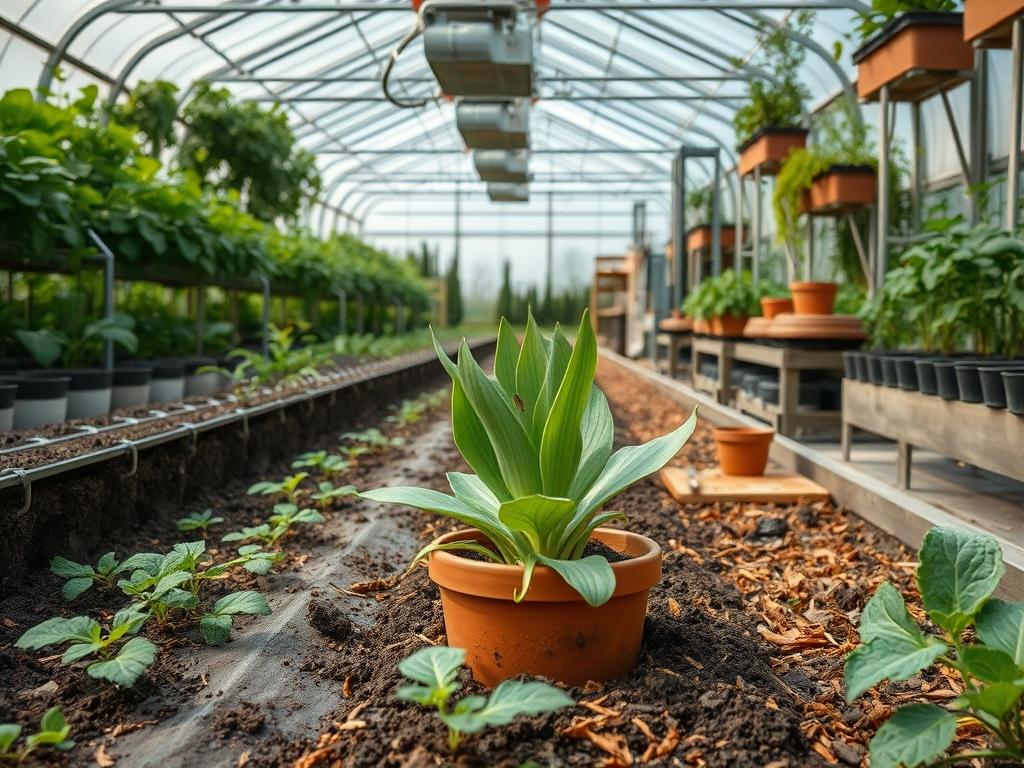
Landscaping in arid regions requires a fundamental shift in how we perceive beauty and utility within the outdoor environment. Traditionally, the desire for lush, emerald lawns has led to unsustainable water consumption and high maintenance costs. However, by integrating drought-tolerant cereal crops into high-end landscape designs, we can achieve a functional, beautiful, and productive garden. Fonio, an ancient grain known for its resilience and low water requirements, serves as an ideal structural element for modern xeriscaping. When we approach the task of Harvesting Garden Fonio, we are not merely performing a culinary chore; we are managing the final phase of a seasonal aesthetic cycle. This plant offers a unique texture that moves gracefully in the wind, providing a soft contrast to the hard angles of contemporary desert architecture. The landscape architect must view Fonio as both a groundcover and a visual asset that evolves from vibrant green to a shimmering, golden hue as it nears maturity.
The primary challenge in arid landscaping is maintaining curb appeal while strictly adhering to water conservation mandates. Incorporating Fonio into a structured garden plan allows for a meadow-like aesthetic that survives temperatures exceeding 100 degrees Fahrenheit. Beyond its hardiness, the plant serves as a functional tool for soil stabilization and erosion control on sloped properties. As professional consultants, we prioritize the integration of edible landscapes that do not compromise the property value or the visual harmony of the site. By understanding the growth habits of this resilient grain, we can design spaces that feel intentional and sophisticated rather than wild or neglected. The planning process starts with a deep analysis of the site’s topography, ensuring that every square foot of land contributes to the overall drainage and irrigation strategy.
Landscape Design Principles
Successful arid landscape design relies on the balance between negative space and dense planting zones. When incorporating Fonio, we utilize symmetry to frame entries or define walkways. Using this grain in mass plantings creates a sense of rhythm that leads the eye toward focal points, such as a Corten steel sculpture or a large Texas Ebony tree. We often design in elevation layers, placing lower-growing succulents in the foreground and taller Fonio stalks in the mid-ground to create depth. This layering ensures that even as the grain is prepped for Harvesting Garden Fonio, the garden retains its architectural integrity through the remaining evergreen structures.
Visual balance is achieved by contrasting the fine texture of the grain with the heavy, solid presence of boulders or retaining walls. We recommend using Decomposed granite as a base mulch around the stalks to provide a clean, modern finish. Irrigation planning is critical in these designs; we move away from overhead sprays that cause evaporation. Instead, we implement subsurface Drip irrigation lines spaced at 12-inch intervals. This method delivers moisture directly to the roots, minimizing weed growth and ensuring the grain matures evenly. Strategic walkways made of flagstone or pre-cast concrete pavers allow for easy access during the harvest without compacting the soil near the plants.
Plant and Material Selection
| Plant Type | Sun Exposure | Soil Needs | Water Demand | Growth Speed | Maintenance Level |
| :— | :— | :— | :— | :— | :— |
| Fonio (Digitaria exilis) | Full Sun | Well-drained, Sandy | Low | Fast | Medium |
| Desert Marigold | Full Sun | Rocky, Poor | Very Low | Moderate | Low |
| Agave Americana | Full/Partial Sun | Gritty, Porous | Low | Slow | Low |
| Palo Verde | Full Sun | Native Arid Soil | Low | Moderate | Medium |
| Blue Muhly Grass | Full Sun | Loamy/Sandy | Moderate | Fast | Low |
Implementation Strategy
The implementation of a professional garden begins with precise grading. The site should be leveled to allow for a 2 percent slope away from the home foundation to manage heavy seasonal rains. Once the site is graded, we install Steel edging to create clean boundaries between the Fonio meadow and the surrounding Hardscape. This prevents the grain from migrating into gravel paths and maintains a polished look throughout the growing season. We recommend amending the soil with a light layer of Compost and River sand to improve drainage and nutrient availability without making the soil too rich, which can lead to leggy growth.
Sowing the Fonio seeds should be done at a rate of 1 pound per 1,000 square feet to ensure a dense, carpet-like appearance. After sowing, a light dusting of Peat moss helps retain surface moisture during the germination phase. As the plants reach a height of 18 to 24 inches, the landscape professional must monitor the seed heads for change in color. Harvesting Garden Fonio requires specific tools, such as a Hand-held scythe or Precision bypass pruners, to ensure clean cuts that do not damage the surrounding soil structure. The harvest should be timed for the early morning hours when the air is still and the stalks are less likely to shatter.
Common Landscaping Failures
One of the most frequent mistakes in arid landscaping is the failure to account for soil compaction. In high-traffic areas, the soil can become as hard as concrete, preventing Fonio roots from penetrating deep enough to find moisture. This leads to stunted growth and a patchy appearance. Another common issue is improper drainage. While Fonio is drought-tolerant, it cannot survive in “wet feet” conditions; oversaturation in heavy clay soils will lead to root rot and fungal pathogens. Landscape architects must ensure that the transition between irrigated zones and dry zones is clearly defined to prevent cross-contamination of moisture.
Root overcrowding is another concern when mixing edible grains with perennial shrubs. If the Fonio is sown too close to the dripline of a Desert Willow, the competition for nitrogen can leave both plants looking deficient. Proper spacing—usually leaving at least 3 feet of clearance around woody ornamentals—is essential. Finally, many homeowners fail because of irrigation inefficiencies. Using a standard lawn timer for an arid crop often leads to overwatering. A Smart irrigation controller with a Soil moisture sensor is a necessary investment to ensure the crop receives water only when the top 2 inches of soil are dry.
Seasonal Maintenance
In the spring, the focus is on soil preparation and the removal of any winter debris. We apply a slow-release Organic fertilizer to jumpstart the growth of the grain. As temperatures rise in the summer, the primary task is monitoring the Drip system for clogs and ensuring the Mulch depth remains at a consistent 3 inches to suppress weeds. This is the period of peak growth where the landscape looks its most lush, providing a Cooling Effect through transpiration.
Autumn is the critical window for Harvesting Garden Fonio. Once the seed heads turn a pale straw color and the grains feel firm, the harvesting process begins. Following the harvest, the remaining stalks are typically tilled back into the soil as Green manure or cleared away to prepare for a winter cover crop. During the winter months, maintenance involves pruning the structural trees and checking the Hardscape for any signs of settlement or erosion. This dormant period is also the best time to plan any expansions to the walkway system or to add new Native plants to the perimeter.
Professional Landscaping FAQ
What is the best time for Harvesting Garden Fonio?
The ideal time is when the seed heads transition from green to a golden brown hue. This usually occurs between 90 and 120 days after planting; perform the harvest during the cool morning hours to maximize grain retention.
How do I manage pests in an arid edible garden?
Focus on Integrated Pest Management by attracting beneficial insects. Use Neem oil for minor infestations; however, the best defense is maintaining healthy soil and avoiding overwatering, which attracts moisture-loving pests like fungus gnats or snails.
Can Fonio replace a traditional lawn in a desert climate?
Yes, it is a superior alternative for low-traffic areas. It requires significantly less water than Bermuda grass or Fescue. While it does not tolerate heavy foot traffic, it creates a stunning visual meadow that defines the property’s character.
What tools are essential for maintaining this type of landscape?
A high-quality Steel rake, Bypass pruners, a Hula hoe for weeding, and a Manual scythe are essential. For irrigation management, a Pressure gauge and a Smart timer ensure the delicate balance of moisture is maintained year-round.
How does mulch affect the growth of Fonio?
A light application of Organic mulch can help with germination, but once the plants are established, the dense growth of the grain acts as a living mulch. Avoid heavy Wood chips directly on the seeds, as this can block light.